
August 15, 2023, brought a significant shift for multiple myeloma patients who had exhausted existing therapies. On that date, regulatory authorities in both the United States and the European Union granted approval to Talquetamab, a medication that operates on a novel mechanism.
Rather than directly poisoning cancer cells, the drug harnesses the body’s own immune defenses. Marketed as Talvey by Janssen Pharmaceuticals, Talquetamab belongs to a class known as bispecific T-cell engagers. It functions by simultaneously binding to two distinct targets: CD3, a protein present on T cells, and GPRC5D, a tumor-associated antigen expressed on myeloma cells.
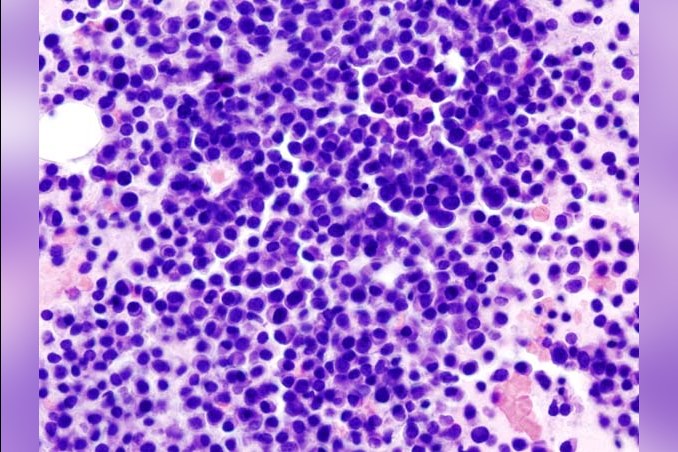
This dual binding action brings T cells into close proximity with cancer cells, triggering a cytotoxic T-lymphocyte response against the malignant plasma cells that accumulate in the bone marrow. Multiple myeloma is a blood cancer characterized by the uncontrolled proliferation of plasma cells.
The disease presents significant challenges, as patient responses to treatments vary widely and many individuals experience relapse. Talquetamab introduces a treatment pathway that operates independently of mechanisms that may have already failed in prior therapies. The simultaneous clearance by U.S. and E.U. regulators on the same day is uncommon and reflects a shared assessment of the data.
This coordinated action underscores both the severity of the unmet medical need and the strength of the evidence supporting the drug’s approval. Implementation now poses practical challenges.
Patients require access to the medication, and healthcare facilities must develop protocols to manage potential side effects. Like other cancer treatments, Talquetamab carries risks. The safety profile includes concerns such as cytokine release syndrome, neurological events, and infections.
These adverse reactions stem from the drug’s mechanism of amplifying immune activity, which can sometimes overshoot its intended target. The approval has broader implications for the pharmaceutical industry.
Bispecific antibodies have moved from a theoretical concept to an approved, real-world treatment. Competing companies developing similar T-cell engagers face pressure to accelerate their clinical programs. Investors are reassessing the landscape as Janssen establishes an early lead in this competitive field. For patients, the significance is deeply personal.
Multiple myeloma remains incurable, and treatments primarily aim to extend survival. Talquetamab offers a new approach for those who have progressed through standard therapies.
While not a cure, it provides a fresh opportunity through a different mechanism of action. The drug targets GPRC5D, a receptor highly expressed on myeloma cells but largely absent from healthy tissues. This specificity represents a key advantage.
If the drug proves effective without causing excessive collateral damage, it could serve as a model for future bispecific antibodies. Conversely, if toxicity proves difficult to manage, the approach may require refinement.
Janssen now faces the task of manufacturing, distributing, and monitoring the biologic at scale. Hospitals must train staff to administer the drug and manage the immune reactions it can trigger. The infrastructure for bispecific antibody therapies remains under development.
The milestone represents a new option for patients with limited alternatives and a demonstration of what bispecific antibodies can achieve. The full consequences will become clear over months and years, but the starting point was August 15, 2023.




