NORTH CHICAGO, November 9, 2026 — AbbVie secured FDA approval for its Parkinson’s disease drug Juvmo this fall, a milestone that arrives less than a year after the centerpiece of its $8.7 billion Cerevel Therapeutics acquisition failed two Phase 2 schizophrenia studies. The twin developments have analysts split on whether the neuro portfolio justifies the capital deployed.
From Spin-Off to Biopharma Giant
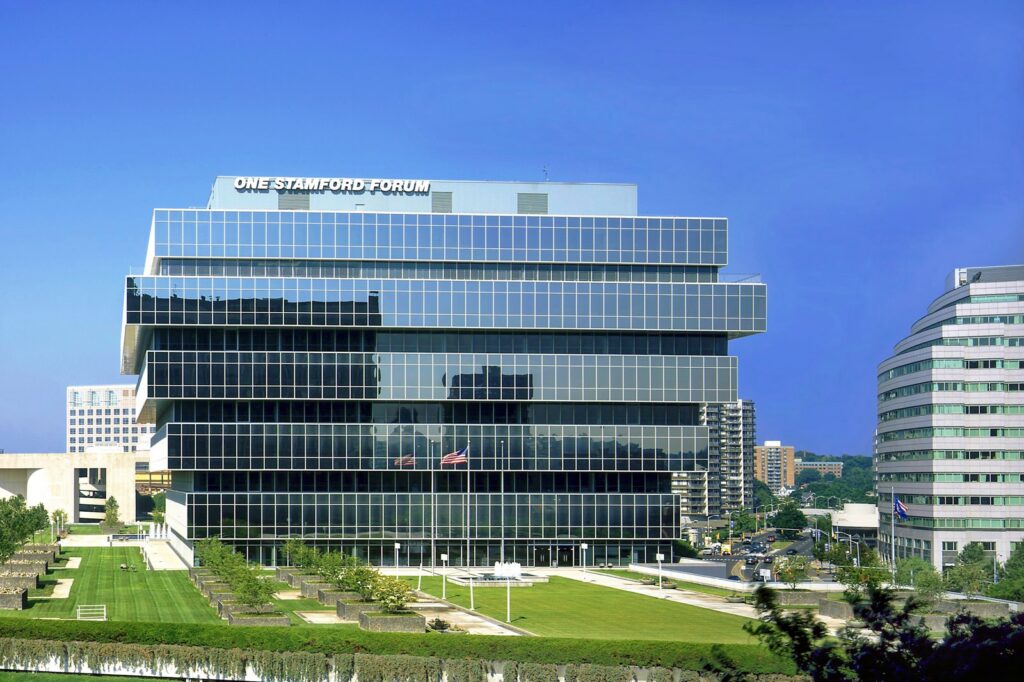
AbbVie was formed in 2012 as a corporate spin-off from Abbott Laboratories and became a public company in January 2013. Headquartered in North Chicago, Illinois, the company ranks sixth among biomedical companies by revenue and 77th on the Fortune 500. Over the last decade, it has transitioned from a specialty pharma player dependent on immunology blockbuster Humira into a diversified biopharma giant through a steady cadence of acquisitions and licensing deals.
The Cerevel Gamble: A Tale of Two Assets
The $8.7 billion takeover of Cerevel Therapeutics closed in December 2023. The strategic rationale centered on emraclidine, a muscarinic receptor agonist targeting schizophrenia. Less than a year later, emraclidine failed two Phase 2 studies, sending AbbVie shares down 12 percent and prompting immediate scrutiny of the deal logic.
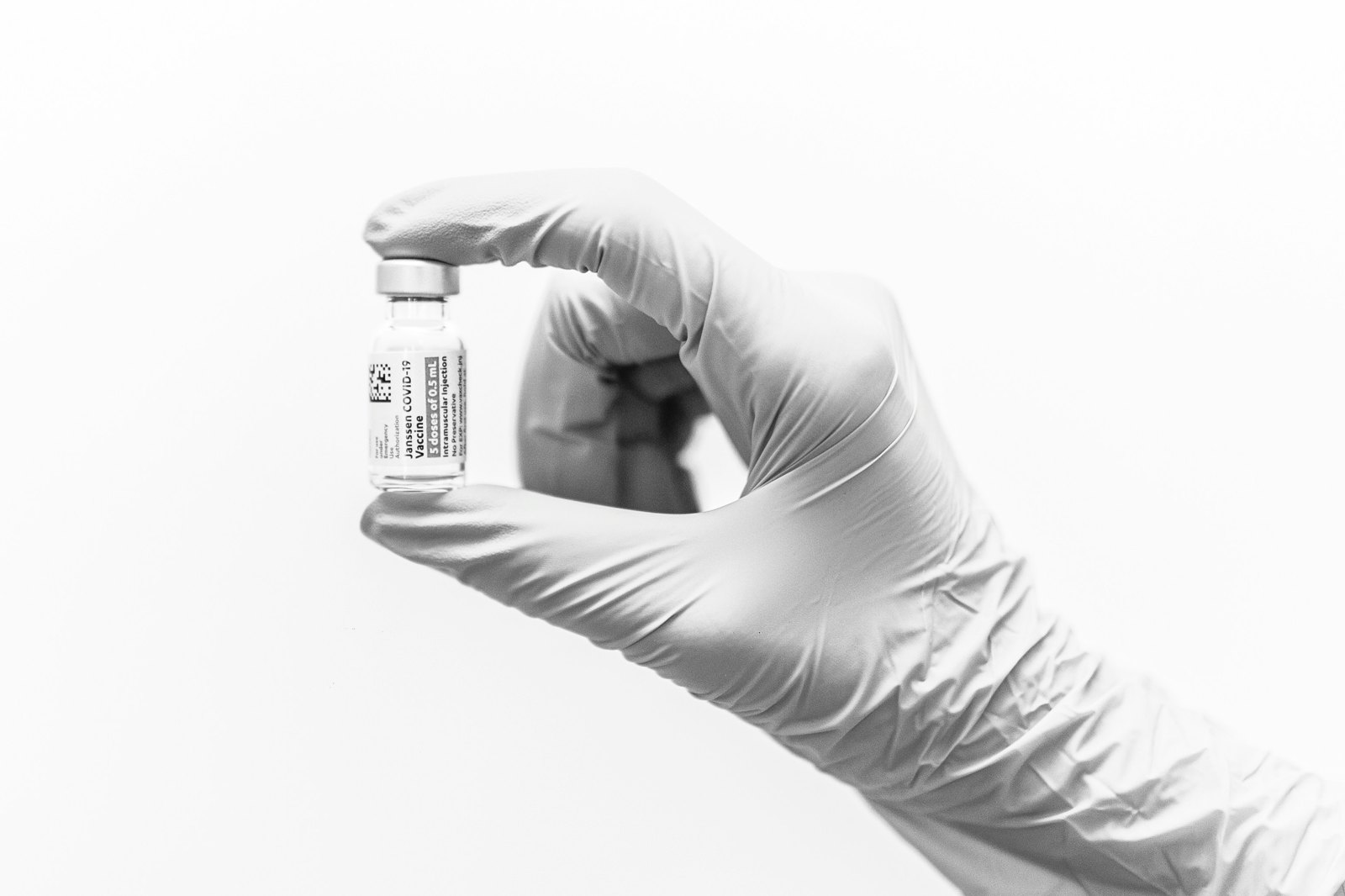
The narrative shifted this fall when the FDA approved Juvmo, formerly known as tavapadon, for Parkinson’s disease. At the time of the Cerevel acquisition, tavapadon was not viewed as a primary value driver. Its approval “clearly should offer some support” for the deal thesis, according to Matt Phipps, group head of biotechnology equity research at William Blair. Graig Suvannavejh, managing director and senior biotech analyst at Mizuho Securities, told BioSpace the verdict is still out: “It’s still early days, but as of today, I don’t think there’s a clear winner” between AbbVie’s buy and Bristol Myers Squibb’s $14 billion Karuna Therapeutics acquisition two weeks later.
Pipeline Expansion Beyond Cerevel
While the Cerevel integration plays out, AbbVie has continued to bolt on early-stage neuro and immunology assets through licensing.
On November 2, Brise Pharmaceuticals updated its exclusive license agreement with AbbVie covering two preclinical migraine programs. Brise handles discovery; AbbVie leads global development and commercialization. The aggregated potential transaction value reaches up to $757 million in milestones plus royalties on future sales. Brise has already achieved several near-term milestones since the original 2024 agreement.
Two days later, Nxera Pharma announced an exclusive global license agreement for its EP4 agonist program, including novel small molecule NXE0033744, targeting inflammatory bowel disease. AbbVie paid a $100 million upfront fee with up to $1.37 billion in development and commercial milestones, plus tiered royalties. Latham & Watkins advised AbbVie on the transaction.
By the Numbers
The bottom line on capital allocation in recent weeks:
- Cerevel Therapeutics acquisition: $8.7 billion (December 2023)
- Juvmo (tavapadon): FDA approved Fall 2026
- Emraclidine: Failed two Phase 2 schizophrenia studies 2024; shares dropped 12%
- Brise Pharmaceuticals migraine license: Up to $757 million in milestones + royalties
- Nxera Pharma IBD license: $100 million upfront, up to $1.37 billion in milestones + royalties
- Bristol Myers Squibb Karuna acquisition (comparator): $14 billion (December 2023)
- Cobenfy (KarXT) 2025 sales: $155 million, less than half of initial analyst predictions
What It Means for Investors Now
The strategic rationale for the Cerevel deal has narrowed to a single approved asset, Juvmo, while the schizophrenia franchise remains a work in progress. Analysts note AbbVie gained a broader pipeline beyond emraclidine and continues work on that asset, but the competitive dynamic is unfavorable. Bristol Myers Squibb’s Cobenfy, the first novel schizophrenia drug in over three decades, has struggled commercially — $155 million in 2025 sales against much higher expectations — partly due to gastrointestinal tolerability issues in real-world use.
Investors will note that AbbVie’s neuro strategy now rests on a Parkinson’s drug that was an afterthought at signing, a migraine partnership in preclinical stages, and an IBD program still years from potential approval. The figure that matters for the Cerevel deal is not the $8.7 billion spent, but whether Juvmo can generate the revenue trajectory that justifies it. The next data points will come from Juvmo’s launch metrics and any further readouts on emraclidine’s redirected development path.
Sources
- AbbVie
- Brise Pharmaceuticals Announces Global License Agreement with AbbVie to Advance the Next-Generation of Migraine Therapies
- Latham & Watkins Advises AbbVie on Global License Agreement With Nxera Pharma
- AbbVie: Allergan Aesthetics Reports Improved Satisfaction With Facial Appearance Following Aesthetic Treatment in Two Studies of Patients on GLP-1 Medications
- With an approval apiece, the verdict is still out on AbbVie’s and BMS’ twin neuro buys
- Is the location of a quantum computer what matters? IBM's latest machines head to universities and supercomputer sites|T.OKUDA
Photo: John9474 (CC BY-SA 4.0)