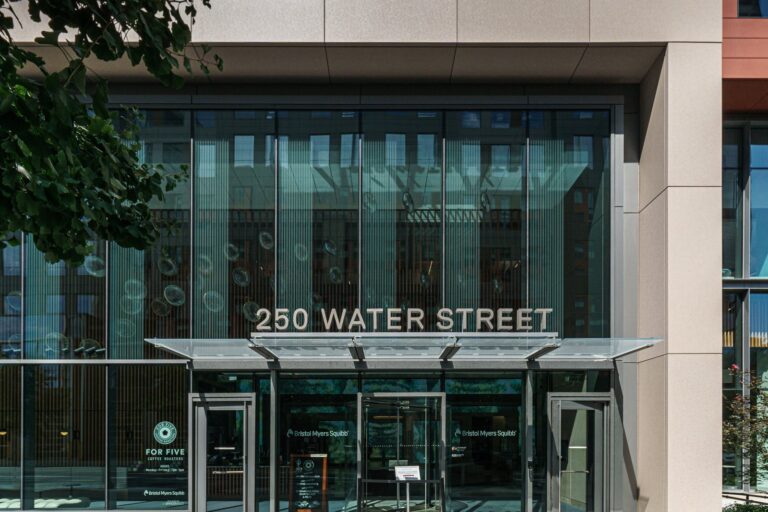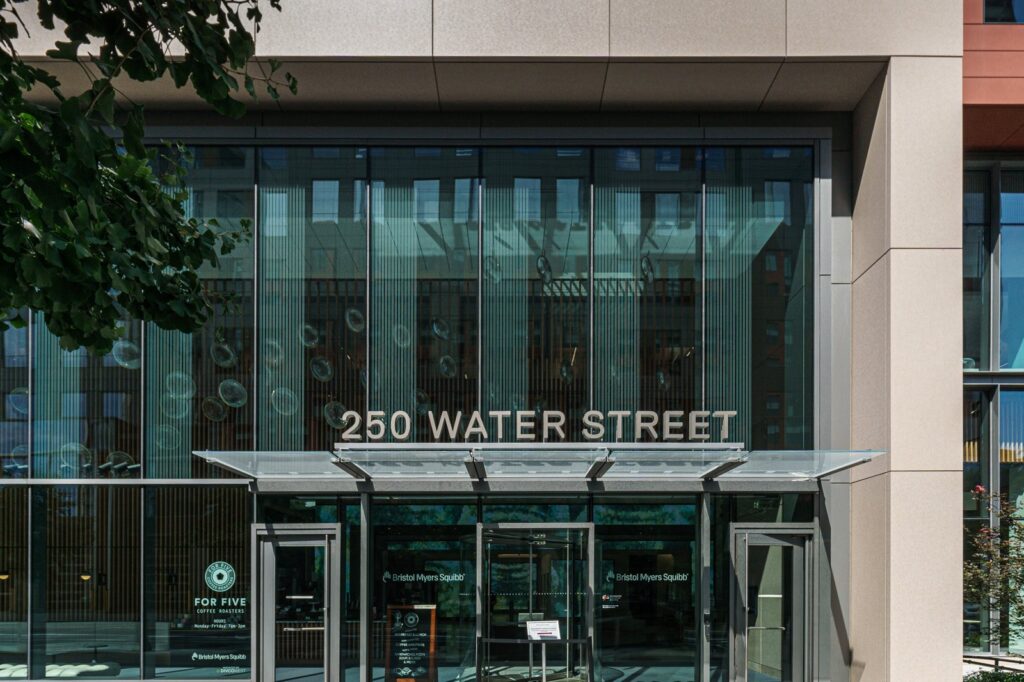
Bristol Myers Squibb shares rose nearly 4% in pre-market trading on Monday after the company announced that an experimental cancer drug, RYZ101, had hit the main goal of a Phase 3 trial. An Instagram reel in late October 2026 hailed a “peptide-based radiation therapy” as proof that peptides are the future of medicine. The reel got the science wrong. The trial result is real, but it is narrower than the video made it sound.
What was actually announced
These are topline results, issued by the company itself, from a planned interim analysis of the ACTION-1 study. Bristol Myers Squibb said the drug improved progression-free survival, meaning the time patients live without their disease getting worse, and called the gain statistically significant and clinically meaningful. Independent reviewers, blinded to who got what, did the assessment.
That is all the company has said so far. The size of the PFS benefit has not been released. Nor has overall survival, and nor have the safety data. Bristol Myers Squibb described safety only as consistent with the therapy’s known profile. Patients will keep being followed for survival, so the announcement does not show whether anyone lives longer on the drug.
A peptide is the delivery van, not the medicine
RYZ101 pairs a peptide called DOTATATE with actinium-225, a radioactive isotope that gives off alpha particles. The peptide does the steering. It seeks out somatostatin receptors on tumour cells, and the radioactive payload does the damage. Drugs in this family are nicknamed “canonballs” for the way they home in on diseased tissue. That is a radiopharmaceutical, not proof that peptides as a class will transform medicine.
It is also for one narrow group: patients with somatostatin receptor-positive gastroenteropancreatic neuroendocrine tumours, or GEP-NETs, whose disease progressed after lutetium-177 therapy. It is not a treatment for cancer generally.
Who the trial covers
The company puts US diagnoses of GEP-NETs at about 18,000 a year. In the vast majority, the cancer has already spread by the time it is found. Somatostatin receptor type 2 shows up in 80% to 90% of these tumours, which is why a receptor-seeking drug makes sense here. Lutetium-177 therapy is approved for such patients, but most still progress.
ACTION-1 randomised patients to RYZ101 or to the investigator’s choice of standard care: high-dose or high-frequency long-acting somatostatin analogues, everolimus or sunitinib. Three different comparators make for a mixed control arm, so without the full numbers the strength of the result is hard to judge. An earlier study found RYZ101 well tolerated, with no treatment-related serious adverse events and no discontinuations from side effects.
Where it stands with regulators
RYZ101 is not FDA approved. It received orphan drug designation for GEP-NETs in August 2026, which is not an approval. Bristol Myers Squibb says it will talk to the FDA about next steps toward a submission, and no filing timeline has been given. The detailed findings are expected at a future medical meeting.
What Bristol Myers Squibb has riding on it
The company bought RayzeBio, RYZ101’s developer, in February 2024 for about $4.1 billion, or $62.50 per share. The deal brought a radiopharmaceutical pipeline and manufacturing capacity. RYZ101 is also being tested in earlier-stage trials for hormone receptor-positive metastatic breast cancer.
Amreen Husain, MD, RayzeBio’s chief medical officer, called the result “a defining moment for RYZ101 and for the patients we built this program around.” Husain added that these are the first Phase 3 results for an alpha-isotope targeted radiopharmaceutical in any indication, and that the company is “moving with urgency” to bring the data to the FDA. Whether it pays off commercially depends on the full data and the regulatory review.
Patients with neuroendocrine tumours should ask their oncologist.
Sources
- RYZ101 Meets Phase 3 Primary Endpoint in Neuroendocrine Tumors After Lutetium-177 Therapy | BioPharm International
- BMS 'cannonball' radiation cancer therapy meets goal in phase 3 trial
Photo: Kenneth C. Zirkel (CC BY-SA 4.0)