Two patients with metastatic cancer, one with melanoma and one with breast cancer, saw every tumor disappear after doctors injected just a single lesion. That is the headline result from a small phase 1 trial of 2141-V11, an engineered antibody developed at Rockefeller University and reported in Cancer Cell. The early findings suggest a long-troubled class of drugs may be workable after all. They also come from twelve patients, and that limit matters.
Why the drug class had a bad reputation
CD40 is a receptor found mostly on immune cells. When it is triggered, the rest of the immune system gets the signal to act, and the body builds T cell responses aimed at tumors. Drugs that imitate that trigger, called CD40 agonist antibodies, worked well in animals. In patients, they did little, and they caused dangerous inflammation, low platelet counts and liver toxicity, even at low doses.
The lab of Jeffrey V. Ravetch set out to fix both problems. In 2018 it engineered 2141-V11, an antibody that binds tightly to human CD40 and is modified to engage a particular Fc receptor, strengthening its crosslinking. It proved ten times more powerful at provoking an antitumor response. The work was supported by Rockefeller’s Therapeutic Development Fund, founded by trustee Julian Robertson and continued by the Black Family Foundation.
Then came the change in delivery. Giving the drug intravenously had been the long-time approach, but CD40 receptors are widespread, so plenty of healthy cells absorbed it. Injecting the antibody directly into a tumor avoided that. “When we did that, we saw only mild toxicity,” Ravetch says.
What happened in the trial
The trial’s goals were modest: find a starting clinical dose and learn how the drug works. Twelve patients took part, with melanoma, renal cell carcinoma and several types of breast cancer. None had the serious side effects seen with other CD40 drugs. Tumors shrank in six, and two had a complete response.
Ravetch described the melanoma patient as having dozens of metastatic tumors on her leg and foot. The team injected one, on her thigh. After repeated injections, the rest disappeared. The breast cancer patient had tumors in her skin, liver and lung, and injecting the skin tumor alone was followed by the loss of all of them.
“This effect, where you inject locally but see a systemic response, that’s not something seen very often in any clinical treatment,” Ravetch says, calling it a dramatic and unexpected result.
Biopsies offered an explanation. “We were quite surprised to see that the tumors became full of immune cells,” says first author Juan Osorio, a medical oncologist at Memorial Sloan Kettering Cancer Center and visiting assistant professor in Ravetch’s laboratory. Dendritic cells, T cells and mature B cells had gathered in clusters that looked something like lymph nodes. The drug, Osorio says, essentially replaces the tumor with these tertiary lymphoid structures, which are associated with a better prognosis and response to immunotherapy. The structures also appeared in tumors that were never injected, as immune cells migrated there once they had identified the cancer.
What is still unknown
Six of twelve patients did not see the same response, and nobody yet knows why. One clue: both patients whose cancer vanished had a high clonality of T cells when they entered the study. Ravetch reads this as a sign that the immune system must meet certain requirements for the drug to work. He also points out that only 25 to 30 percent of patients usually respond to immunotherapy, so finding predictors of response is the field’s biggest challenge.
Follow-up studies are now running with researchers at Memorial Sloan Kettering and Duke University, in phase 1 or phase 2, covering bladder cancer, prostate cancer and glioblastoma. Nearly 200 people are enrolled in total. Until those results arrive, 2141-V11 remains an experimental drug, not an available treatment.
For patients, the encouraging part is that a once-disappointing approach is being tested again with fewer side effects. Anyone with metastatic cancer should talk to their doctor or oncologist about whether a clinical trial is an option, and consult your doctor before making any decision based on early results.
Sources
- The rockefeller university
- Scientists inject one tumor and watch cancer vanish across the body
- This Experimental Cancer Drug Made Tumors Vanish, Without the Dangerous Side Effects
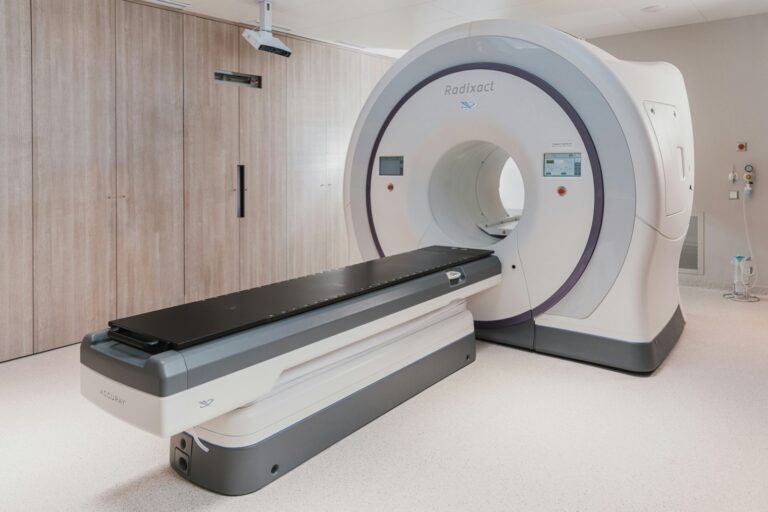
Photo: Kenneth C. Zirkel (CC BY-SA 4.0)