

Among 71,264 Korean women followed for an average of 9.2 years, researchers identified 713 new breast cancer cases. Consuming high-sugar foods above twice weekly carried a 28% higher risk than having one serving a month or less.
The finding concerns frequency and food source, not a claim that sugar directly causes cancer.
Seoul National University researchers reported the association in the European Journal of Nutrition. Total sugar in the diet and fruit consumption each lacked a statistically significant relationship with breast cancer.
Different foods, different results
Fruit supplied about 43% of total dietary sugar in the study. Average sugar consumption was 44 grams daily.
The pattern changed when researchers examined processed, sugar-rich items. Women consuming ice cream at least weekly had a 26% higher risk than non-consumers, although that estimate was borderline statistically. Sugary cereal consumed once every couple of months or more carried a 34% higher risk than never eating it; the authors noted that cereal consumption was relatively low.
Sugar derived specifically from high-sugar foods followed a similar pattern. Risk was 28% higher in the top quarter of consumers than in the bottom quarter.
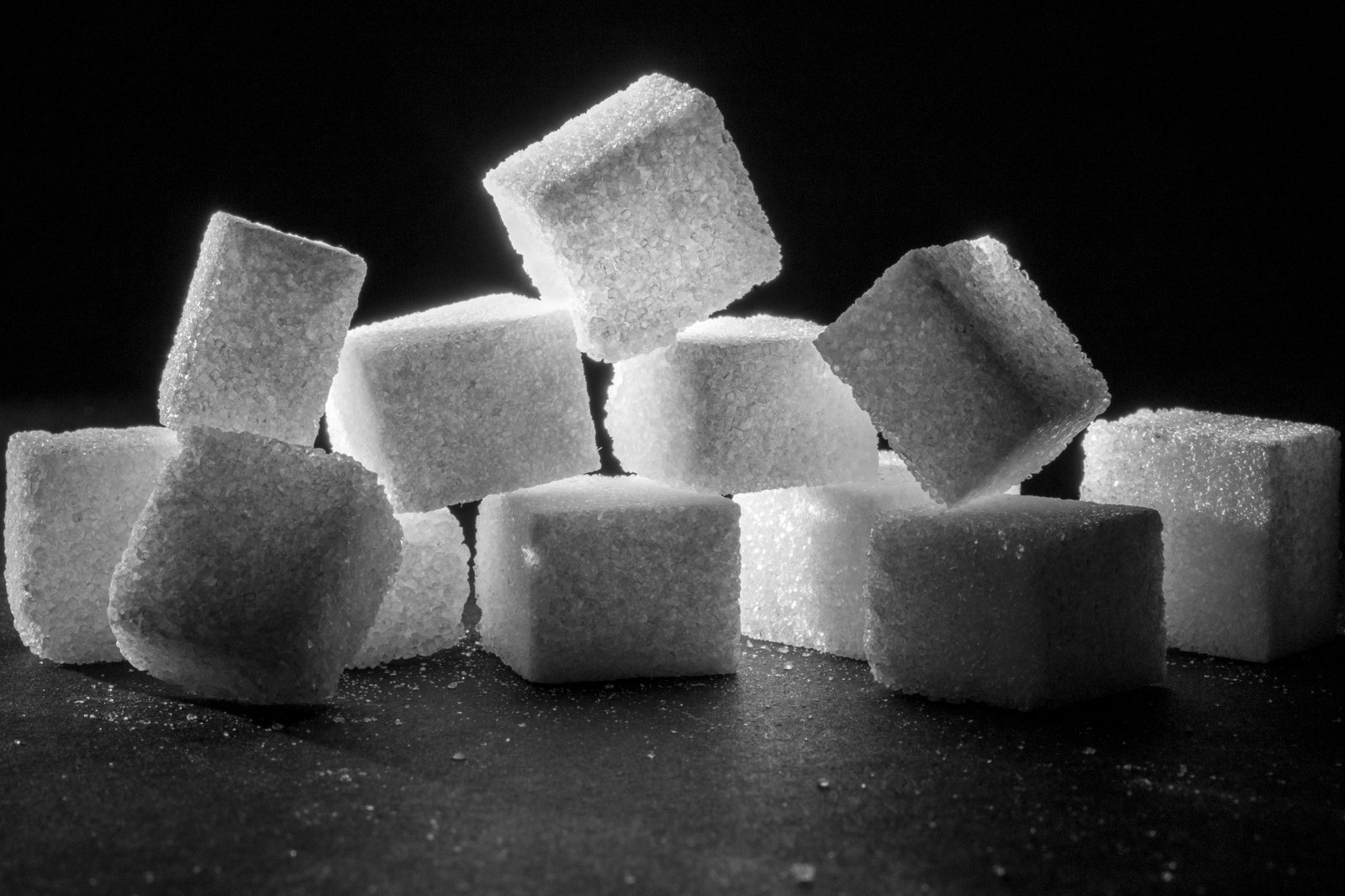
For families trying to interpret the result, the meaningful comparison is not fruit versus a sweet dessert as interchangeable sources of sugar. It is the overall dietary context in which those foods appear.
How the researchers measured diet
The analysis used the HEXA-G subset of Korea’s community-based Health Examinees study. Recruitment into the wider cohort covered 169,718 adults between ages 40 and 69 at 38 centres from 2004 through 2013.
Participants completed a semi-quantitative questionnaire covering 106 foods. They reported portion sizes and consumption frequency during the previous year, allowing researchers to estimate average daily intake.
Investigators linked records to the Korea Central Cancer Registry through December 31, 2018. Cases carried code C50 in the International Classification of Diseases, 10th revision.
Cox proportional hazards models used age as the time scale. Adjustments covered smoking, alcohol, education, exercise, reproductive and family history, body mass index and energy intake.
In the highest-versus-lowest consumption comparison, statistical significance appeared among women below 50. The trend across all categories lacked significance. The age interaction was also insignificant, so the study did not establish that risk differed between age groups.
A significant association appeared among women who had consumed alcohol. Interaction tests suggested possible differences involving alcohol, BMI and physical activity that need further study.
An association with important limitations
Diet was assessed only at baseline. The questionnaire did not separate added sugars from naturally occurring sugars, and the analysis lacked detailed cancer subtype and stage information as well as menopausal status at diagnosis.
Missing family-history data, exclusion of early diagnoses and residual confounding could have influenced the results. The observational design cannot determine causation, and the proposed biological mechanisms were not tested directly.
The authors recommended repeated dietary measurements and future work incorporating tumour subtypes and menopausal status.
That restraint is important for patients. A population-level association cannot explain an individual diagnosis. Cancer usually reflects multiple inherited and environmental influences; epidemiology identifies patterns across groups rather than assigning a cause in one person.
Diet within a broader risk assessment
Hereditary syndromes account for approximately 5% of new breast cancers. Established risk factors explain approximately 30% of cases.
A 2024 review found convincing associations between increased risk and high BMI or weight gain after menopause. Lower risk was associated with high fibre intake and elevated sex hormone-binding globulin.
Evidence remains mixed for whole grains, dietary fat and processed meat. Earlier research into dietary sugar has also been limited and inconsistent.
The World Health Organization recommends keeping free sugars below 10% of daily energy intake. In the United States, added sugars supply about 12.7% of energy intake, though that measure is not directly comparable with every measure used in the Korean paper.
What this means for patients is practical rather than alarmist: frequent desserts and sugary cereals deserve attention within the whole diet, alongside weight, exercise and alcohol consumption.
They do not replace established screening. Jackie Oxenberg, a breast surgical oncologist at Guthrie, advises women to know their usual breast appearance and seek evaluation for a new lump, thickening, skin dimpling, nipple changes or unusual discharge.
Current major guidelines generally call for routine mammograms to begin at age 40 in women at average risk. Family, hormonal and reproductive history can justify earlier assessment, and the American College of Radiology recommends completing a breast-cancer risk assessment by age 25.
The study adds a reason to discuss eating patterns with a clinician, not a reason to fear an occasional sweet food or abandon fruit.
Sources
- Risk factors for breast cancer
- Breast Cancer Awareness: Genetic Risk Factors
- As Breast Cancer Awareness Month ends, Guthrie specialist urges women to know their risk and prioritize screenings
- Eating sugary foods more than twice a week was linked to 28% higher breast cancer risk
- The Lifestyle Habits That Could Extend Your Life After Cancer
- Kauvery Hospital, Salem, Highlights Importance of Breast Cancer Awareness and Early Detection at CII-IWN Initiative
Photo: Deuterium 001 (CC BY 3.0)