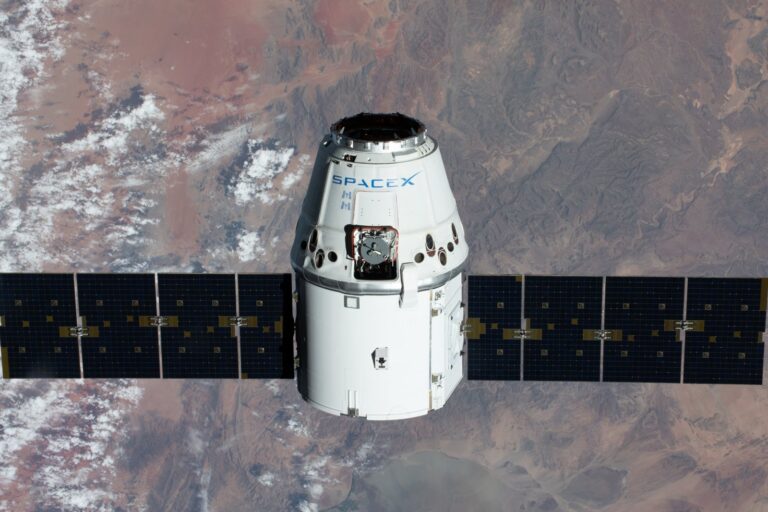
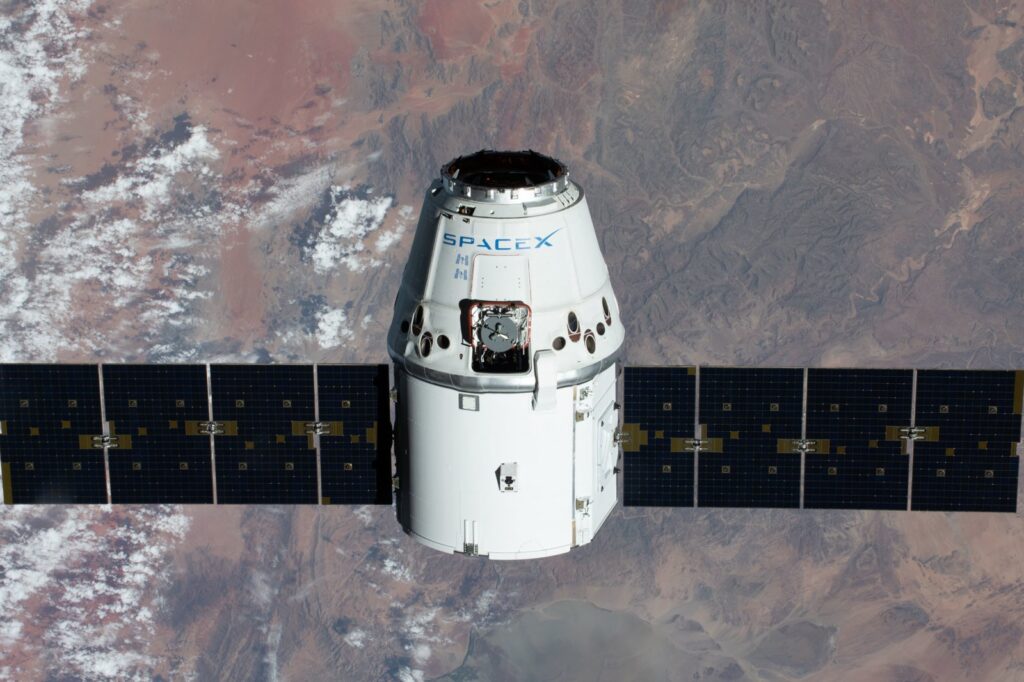
LOS ANGELES, November 23, 2026 — A SpaceX Dragon spacecraft has returned to Earth carrying lab-grown tumor models and other experiments that could help researchers tackle cancer, aging, and antibiotic resistance.
The uncrewed Dragon capsule splashed down in the Pacific Ocean near Los Angeles at 2:03 p.m. PST on Saturday, November 21, after departing the International Space Station a day earlier. The mission was part of NASA’s 35th commercial resupply mission with SpaceX, which originally launched on October 13 with over 6,300 pounds of cargo.
What the Tumor Experiments Reveal
Among the most important cargo returning to Earth were frozen tumor organoids. These are tiny, lab-grown models of human tissue that allow scientists to study diseases without testing directly on people. While aboard the space station, astronauts studied how these cancer cells grew and responded to treatments in the unique environment of microgravity.
The goal is to understand how tumor cells behave in space, which NASA says could eventually help scientists develop more effective, targeted, and personalized cancer treatments. The samples were preserved during the mission so researchers can now examine them further on Earth.
A New Way to Study Vascular Aging
The Dragon also brought back a 3D-bioprinted blood vessel construct. Astronauts used the station’s BioFabrication Facility to print the blood vessels using living human vascular cells. Unlike standard 3D printing that uses plastic, bioprinting builds tissue with biological materials.
Researchers will now analyze this tissue to learn more about how blood vessels age and to discover more about cardiovascular disease. Some of the cells used in the research came from patients with a rare genetic disorder that causes rapid aging, and studying those cells in microgravity could provide new information about the condition and future treatments.
Fighting Superbugs in Space
Also returning to Earth were frozen samples of microbes being studied to understand how they develop resistance to antibiotics. Scientists are investigating how these drug-resistant bacteria survive, adapt, and evolve in the near-weightless environment of the space station. This research could provide insights into combating superbugs on Earth.
The Dragon spacecraft, which launched from Cape Canaveral Space Force Station in Florida, delivered this equipment and research samples to the space station on October 15. It brought the experiments back to Earth after spending more than a month attached to the orbiting laboratory.
The research represents a significant step forward in using the unique conditions of space to advance medical science on Earth, offering new hope for patients facing cancer, aging, and antibiotic-resistant infections.
Sources
- SpaceX Dragon Returns With Experiments Studying Cancer, Aging and Superbugs – Newsweek
- SpaceX
- SpaceX launches satellites for the U.S. Space Force’s data network constellation
- SpaceX will retire 1st Starship upper stage ever caught by 'chopsticks,' Elon Musk says
- NASA to Cover 35th SpaceX Resupply Mission Space Station Departure – NASA
- Charting the world’s biggest IPOs as Anthropic overtakes SpaceX
Photo: Original: NASA Johnson Space Center
Derivative work: Nythar (Public domain)