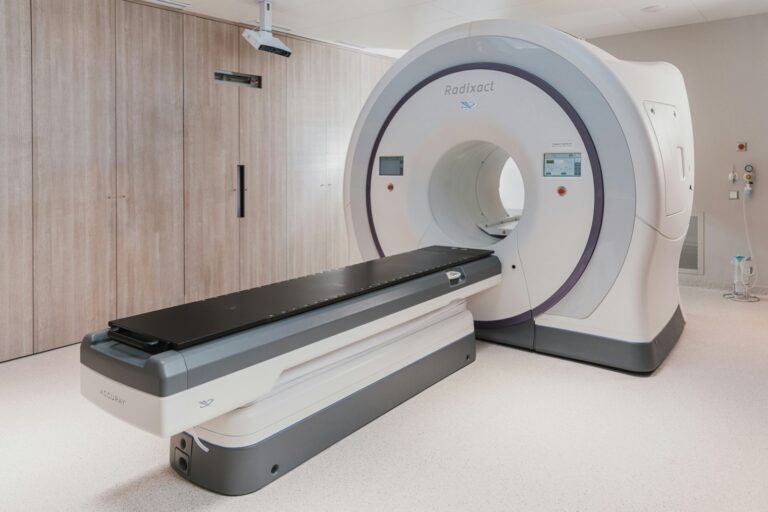
LAUSANNE, November 15, 2026 — The International Lung Cancer Summit 2026 brought leading thoracic oncology experts to Lausanne, Switzerland, on November 13, to discuss the next era of precision thoracic oncology. This meeting highlighted the evolving treatment landscape of lung cancer, with a focus on circulating tumor DNA, evolving molecularly targeted therapies, antibody–drug conjugates, early-stage immunotherapy, and emerging treatment strategies for small-cell lung cancer.
Introduction To Precision Thoracic Oncology
The concept of precision medicine, also referred to as personalized medicine, has been gaining traction in recent years due to advances in diagnostic and informatics approaches. According to the National Academy of Engineering, personalized medicine is one of the 14 Grand Challenges for Engineering, aiming to achieve optimal individual health decisions. This approach separates people into different groups, with medical decisions, practices, interventions, and products tailored to the individual patient based on their predicted response or risk of disease. The usage of the term “personalized medicine” has risen thanks to the development of new diagnostic and informatics approaches that provide an understanding of the molecular basis of disease, particularly genomics.
Background And Historical Evolution
The tailoring of treatment to patients dates back to the time of Hippocrates. However, the term “personalized medicine” has gained prominence with the development of new diagnostic and informatics approaches. The International Lung Cancer Summit 2026 co-chaired by Solange Peters and Alfredo Addeo, brought together internationally recognized clinicians and researchers to discuss the full continuum of thoracic oncology. The meeting examined circulating tumor DNA, evolving molecularly targeted therapies, antibody–drug conjugates, early-stage immunotherapy, and emerging treatment strategies for small-cell lung cancer. The therapeutic landscape of lung cancer is expanding with next-generation tyrosine kinase inhibitors and immunotherapy combinations.
How Molecular Diagnostics Guide Therapy
Molecular diagnostics, such as circulating tumor DNA, play a crucial role in guiding clinical decisions in lung cancer. Liquid biopsy has become an important component of molecular profiling in advanced NSCLC, particularly when tissue is insufficient or repeat biopsy is difficult. The usage of circulating tumor DNA is ready to guide clinical decisions in lung cancer. Early findings suggest that circulating tumor DNA can help identify the most effective treatment for individual patients. Patients should discuss the potential benefits and limitations of circulating tumor DNA with their doctor.
Translating Complex Evidence Into Individualized Treatment Choices
The next era of precision thoracic oncology involves translating complex evidence into individualized treatment decisions. This requires considering various factors, including the patient’s genetic profile, medical history, and lifestyle. The encouraging part is that advances in diagnostic and informatics approaches are providing an understanding of the molecular basis of disease, enabling healthcare providers to make more informed decisions. However, this also introduces new clinical questions, such as which treatment to select first and when to use combination treatment.
What The Future Holds For Lung-Cancer Patients And Clinical Care
The future of precision thoracic oncology holds promise for lung-cancer patients. With the development of new diagnostic and informatics approaches, healthcare providers can make more informed decisions, tailoring treatment to the individual patient. The International Lung Cancer Summit 2026 highlighted the importance of considering the full continuum of thoracic oncology, from biomarker development to the rapidly changing therapeutic landscape of small-cell lung cancer. As research continues to advance, patients should talk to their doctor about the potential benefits and limitations of precision thoracic oncology. The key to optimal treatment is to consult with a healthcare professional, as they can provide personalized guidance and recommendations. Talk to your doctor or oncologist to discuss the best course of treatment for your specific situation.
Sources
- International Lung Cancer Summit 2026: From Molecular Targets to the Next Era of Precision Thoracic Oncology – OncoDaily
- Personalized medicine
- Precision Medicine Pioneer Award Highlights Research Behind New Cancer Treatment Options – InventUM
- Sex, Gender, Space, and Precision Medicine
- Precision medicine offers new hope for firefighter with rare brain tumor
- NeuroKaire To Showcase Breakthrough Blood Test That Ends the Antidepressant Guessing Game at HLTH 2026 Conference
Photo: Gzzz (CC BY-SA 4.0)