
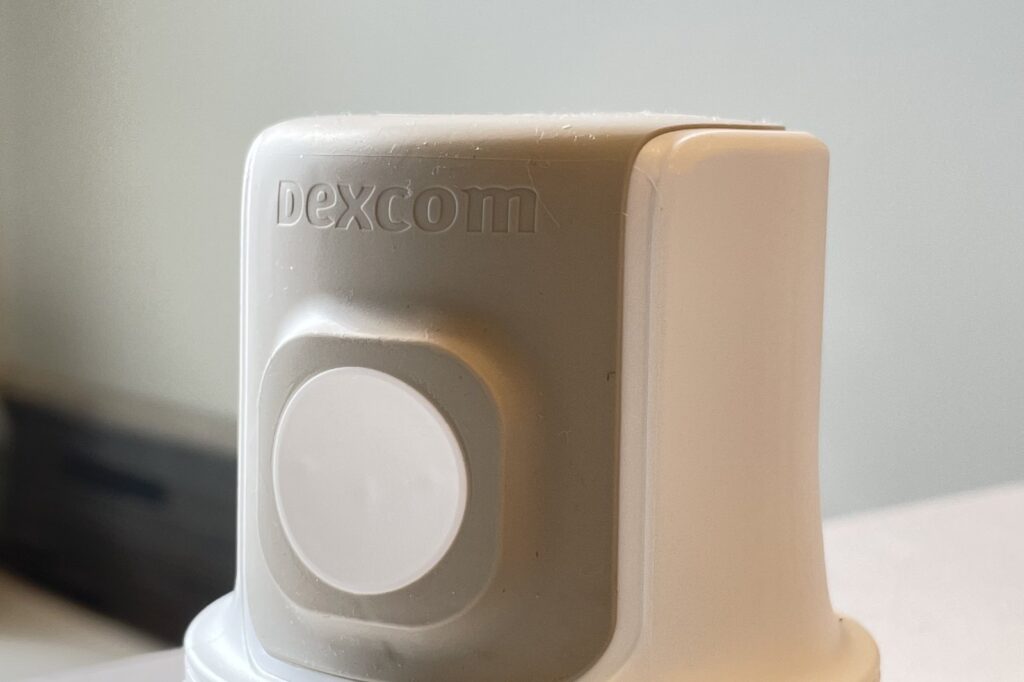
SAN DIEGO, October 16, 2026 — The Dexcom CONNECT trial, published in The New England Journal of Medicine, shows that adults with type 2 diabetes who are not using insulin can lower their A1C by an average of 1.6% with the Dexcom G7 continuous glucose monitor, a gain of 0.9% over routine care, and spend roughly five extra hours each day in the target glucose range.
Study Design and Who Took Part
The CONNECT study was a randomized controlled trial that enrolled 440 adults with type 2 diabetes across 22 primary‑care sites in the United States. Participants were drawn from a broad cross‑section of the population, reflecting diversity in age, sex, race and ethnicity, body‑mass index, diabetes duration, income, education, health‑insurance status and the medications they were already taking. All participants were not using insulin at the start of the trial, and many were already on GLP‑1 receptor agonists.
After screening, eligible volunteers were randomly assigned to receive either the Dexcom G7 real‑time continuous glucose monitor or routine diabetes care, which typically relies on intermittent finger‑stick testing and standard clinical visits. The trial followed participants for 26 weeks, during which time the research team collected A1C measurements and continuous glucose data to assess changes in glycemic control.
What the Numbers Show: A1C and Time in Range
According to the NEJM publication, participants using the Dexcom G7 lowered their A1C from a mean baseline of 8.8% by 1.6% over the 26‑week period. By contrast, the routine‑care group achieved a smaller reduction, leaving a net advantage of 0.9% for the CGM arm. The same source reports that Dexcom G7 users spent about five additional hours each day within the glucose target range of 70–180 mg/dL compared with those receiving routine care.
These improvements are clinically meaningful. A 0.9% difference in A1C has been linked in prior research to reduced risk of microvascular complications, while extra hours in range translate to fewer hyper‑ and hypoglycemic episodes. The study also notes that almost all participants continued wearing the sensor after the 26‑week period, and most used it daily, indicating sustained engagement and perceived benefit.
Benefits Across Different Patient Groups
The trial’s subgroup analyses reveal that the glycemic advantage of CGM was not limited to a single demographic. The benefit persisted across age groups, including adults over 65, and was observed regardless of sex, race, ethnicity, body‑mass index, or length of diabetes diagnosis. Economic factors such as income level, education and type of health‑insurance coverage did not diminish the effect, suggesting that the technology can deliver value in varied real‑world settings.
For participants already taking GLP‑1 therapies, the Dexcom G7 added an extra 0.9% A1C reduction compared with routine care, according to the study authors. This finding underscores that CGM can complement modern pharmacologic regimens, offering an additional lever to tighten glucose control without escalating medication intensity.
What This Means for Care Guidelines and Payers
The CONNECT results arrive at a moment when clinical guidelines are beginning to consider earlier use of CGM in type 2 diabetes management. The data provide the rigorous evidence that professional societies have requested to justify expanding coverage beyond insulin‑treated patients. By demonstrating consistent benefit across socioeconomic strata, the study makes a strong case for insurers to reimburse CGM for a wider audience.
Health‑policy analysts note that the five‑hour daily increase in time‑in‑range could translate into lower long‑term costs associated with diabetes complications. For families budgeting for medical expenses, the potential to avoid hospitalizations or costly interventions offers a compelling financial argument for adopting CGM sooner rather than later.
Reactions and Next Steps
Roy W. Beck, MD, PhD, the senior author of the study, described the findings as “compelling evidence that CGM use can meaningfully improve glucose outcomes for people with type 2 diabetes who are not using insulin.” The study’s lead executive, Jake Leach, president and CEO of Dexcom, called the publication “a significant moment for the CGM category” and urged physicians, payors and health‑care leaders to recognize the impact of the technology.
Following its presentation at the American Diabetes Association’s 2026 Scientific Sessions, the CONNECT trial is expected to influence upcoming revisions of diabetes care guidelines. Stakeholders are encouraged to review the full NEJM article and consider how CGM integration can be incorporated into routine primary‑care practice, especially for patients who are already on GLP‑1 agents or who are approaching the age threshold where insulin therapy often becomes necessary.
Patients and families interested in learning more should discuss CGM options with their health‑care providers, review insurance coverage details, and weigh the potential clinical and financial benefits highlighted by the CONNECT study. As the evidence base grows, continuous glucose monitoring may become a standard part of the diabetes toolkit for millions of adults who have, until now, managed their condition without the real‑time insight that CGM provides.
Impact on Older Adults and GLP-1 Users
Among adults over 65, the Dexcom G7 demonstrated consistent A1C reduction and time-in-range improvements, supporting earlier CGM use before insulin initiation. The study found no attenuation of benefit with advancing age, indicating that real-time glucose monitoring is effective and well-tolerated in older populations managing type 2 diabetes without insulin.
For participants already on GLP-1 receptor agonists, adding Dexcom G7 yielded an additional 0.9% A1C reduction compared to routine care alone. This incremental gain highlights CGM’s role as a complementary tool to existing pharmacotherapy, enhancing glycemic control without requiring medication intensification.
Implications for Clinical Guidelines and Earlier CGM Adoption
The CONNECT trial’s robust evidence supports updating clinical guidelines to recommend continuous glucose monitoring earlier in the treatment pathway for adults with type 2 diabetes not using insulin. By demonstrating a 0.9% A1C advantage over routine care and five additional hours per day in target glucose range, the study provides the level of data professional societies have sought to justify broader CGM inclusion in standards of care.
These findings reinforce the potential for CGM to delay or reduce the need for insulin initiation, particularly when used alongside established therapies like GLP‑1 receptor agonists. The consistent benefit across diverse populations—including older adults and those with varying socioeconomic backgrounds—further supports equitable access and earlier adoption in real‑world primary‑care settings.
Sources
- Landmark Dexcom CONNECT Study Published in The New England Journal of Medicine, Redefining the Standard of Care for People with Type 2 Diabetes Not on Insulin
- Landmark Dexcom CONNECT Study Published in The New England Journal of Medicine, Redefining the Standard of Care for People with Type 2 Diabetes Not on Insulin
- Landmark Dexcom CONNECT Study Published in The New England Journ
Photo: MolBioByte (CC BY-SA 4.0)




