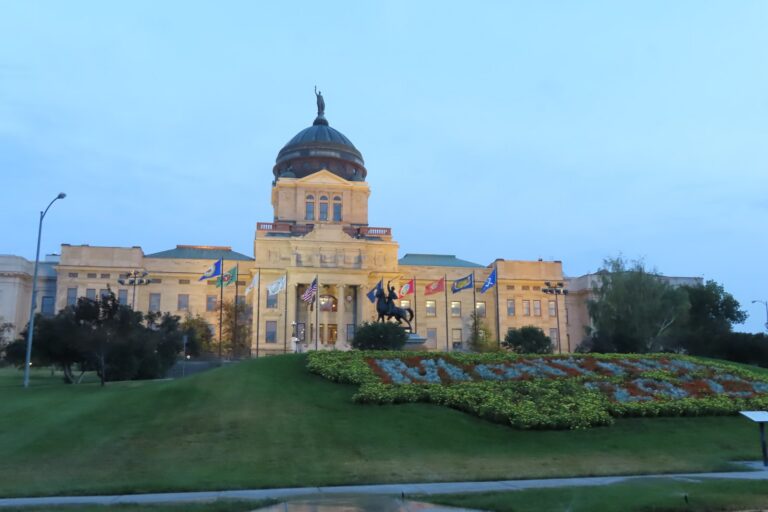
Montana became the first state in July to license clinics that can offer non-terminally ill patients drugs and devices the Food and Drug Administration has not approved. Senate Bill 535 expands right-to-try access beyond terminal illness to include stem cell, anti-aging, and biologic therapies, and it places the full financial burden on the patient.
By the Numbers: The Cost Structure
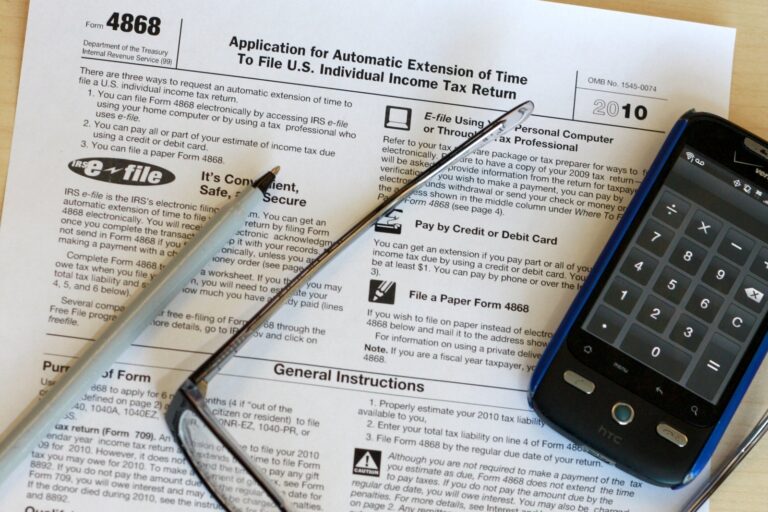
The bottom line: patients pay the price set by the company supplying the drug or device. The statute requires a patient agreement that lists all anticipated costs of the treatment itself. That figure does not include travel to Montana for out-of-state patients or follow-up care, expenses that will likely fall on the patient as well.
Insurance Barred for Complications
The law states that patients are theoretically responsible for paying out of pocket for medical care related to complications. Patients are not supposed to go through their insurance companies for that complication-related care. Investors will note the statute does not define how insurers will determine whether a medical problem stems from an experimental treatment, leaving that classification ambiguous.
Long-Term Liability Remains Untraced
Long-term adverse effects create a particular financial hazard. If a problem emerges years after treatment, tracing it to an unapproved therapy that lacked robust safety testing and documentation will be especially difficult. The law leaves unanswered who ultimately bears the costs if complications arise after treatment. No state fund or mandate exists to cover those costs.
What It Means for Patients
The figure that matters is the total out-of-pocket exposure: the supplier’s price plus travel, follow-up, and the open-ended risk of complication costs that insurers may or may not cover depending on how they classify the claim. For approved therapies, trial data on survival rates and post-market studies help clarify expected benefits. SB 535 does not require companies to conduct comparable analyses or set prices within any value framework.
Sources
- Montana’s ‘right to try’ law makes patients responsible for bearing costs — and risks
- Even with Nichols out, reigning Brier champion Dunstone remains on top of rankings
- Chumba Casino Promo Code 2026 – 2 Million GC & 2 SC
- Montana ‘drag story hours’ ban ruled unconstitutional
- Montana Midterm Elections 2026: Live Results
Photo: David Wilson from Oak Park, Illinois, USA (CC BY 2.0)