In October 2026 an Instagram reel told viewers that Epitalon, a peptide made of just four amino acids, had switched telomerase back on in human cells and could turn back ageing. Part of that is true. Every finding behind it, though, comes from cells grown in a lab dish, and no controlled trial in people has shown the same thing.
What was done in the dish
Epitalon is a synthetic peptide with the sequence Ala-Glu-Asp-Gly. Most of the early work came from Vladimir Khavinson and colleagues at the St. Petersburg Institute of Bioregulation and Gerontology in Russia.
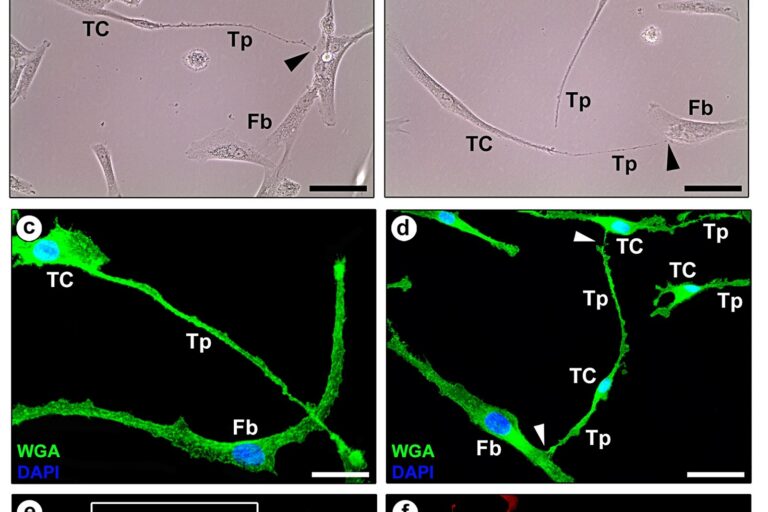
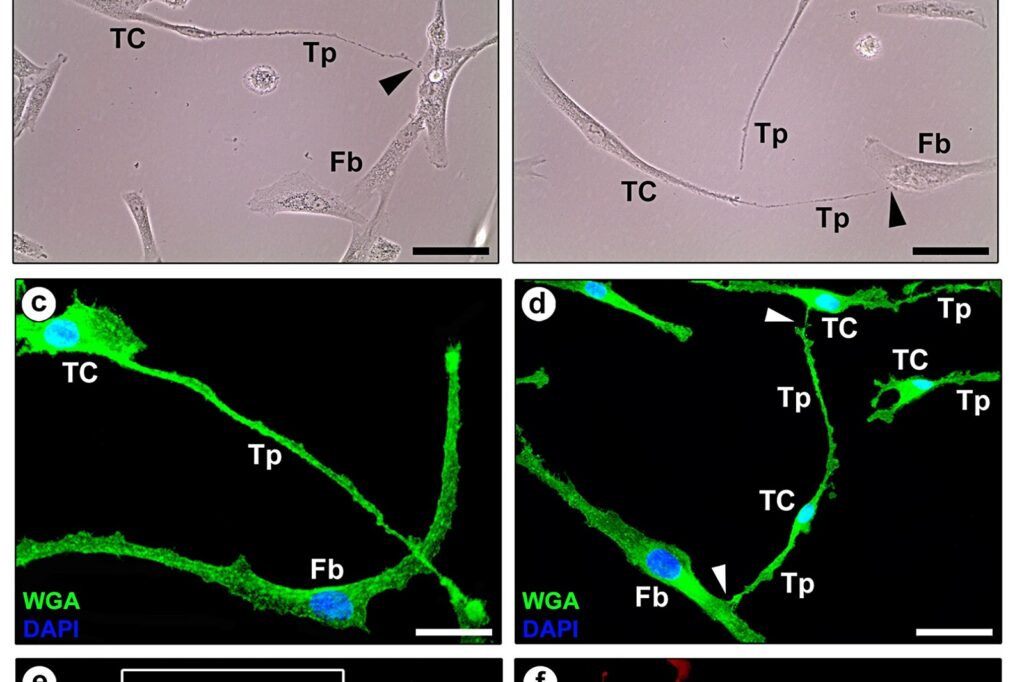
In 2003, Khavinson, Bondarev and Butyugov treated human fetal fibroblasts, a type of connective-tissue cell, with the peptide. In the dish, the cells made telomerase and their telomeres, the protective caps on chromosomes, grew longer. A follow-up in 2004 by Khavinson and colleagues found that the treated fibroblasts kept dividing past the 44th passage, while untreated cells had stopped at the 34th. The authors called this passing the Hayflick limit. A more careful reading is that the peptide extended the lifespan of one batch of cultured cells. It says little about a person.
The 2025 study, and the caution in it
The newest work was published in September 2025 in Biogerontology by Al-Dulaimi, Thomas, Matta and Roberts, a group separate from the Russian team. They treated normal human fibroblasts, normal mammary epithelial cells and two breast cancer cell lines, 21NT and BT474, all in culture.
In the normal cells, telomeres lengthened with dose and exposure time, alongside higher hTERT activity, the gene behind the catalytic part of telomerase. The researchers reported roughly a fourfold rise in telomerase activity in one fibroblast line and about 26-fold in the mammary epithelial cells.
The breast cancer cells told a different story. Their telomeres lengthened too, but mostly through Alternative Lengthening of Telomeres, or ALT, a route some cancers use to keep dividing. ALT activity rose only slightly in the normal cells. That is the finding to treat with caution. It does not show that Epitalon causes cancer in people. It does show that longer telomeres are not automatically a good sign, because cancer cells depend on keeping their telomeres up as well.
No controlled human trial
The word “human” in these papers describes where the cells came from, not who was treated. Nobody in these experiments was given the peptide. Showing that it lengthens telomeres in a living person would need a controlled trial with telomere length measured before and after treatment, plus a comparison group. That trial has not been done, so claims of “telomere rejuvenation” in humans go well beyond the evidence.
Dish studies also leave out much of what happens in a body: how the peptide is broken down, where it travels, and how tissues and the immune system respond.
What patients should keep in mind
Peptides sold online are unregulated research chemicals, not approved medicines. The FDA has said it lacks sufficient safety information on compounded preparations containing Epitalon, and the drug has not been approved for anti-ageing use. The encouraging part is that researchers are still studying how telomere biology works, and better-designed human studies may one day answer these questions. Until then, early findings suggest curiosity, not a reason to buy a vial.
Talk to your doctor before taking any peptide.
Sources
- Epitalon increases telomere length in human cell lines through telomerase upregulation or ALT activity
- Epitalon – Wikipedia
- Epitalon, Telomerase, and Telomeres: What Do the Evidence Show? – BioEvidenceHub
Photo: Rosa, I., Marini, M., Guasti, D. et al. (CC BY 4.0)