
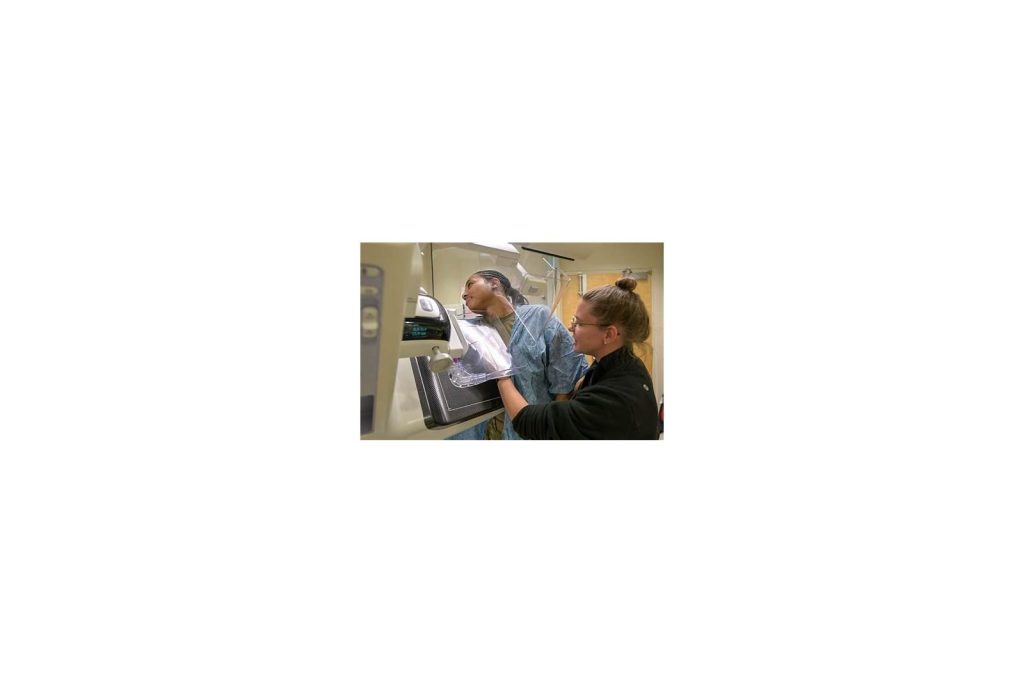
A breast cancer diagnosis raises the same question for families everywhere: what happens next? For stages I, II and III, the American Cancer Society says the answer begins with surgery in most cases. Radiation sometimes follows. Many patients also receive chemotherapy or other medicines that travel through the whole body.
The guiding rule is blunt. A cancer that has traveled further calls for heavier treatment.
Surgery first, in two forms
There are two main operations. A lumpectomy, also called breast-conserving surgery, takes out the tumor with a margin of surrounding tissue and keeps the rest of the breast. A mastectomy takes the breast tissue away. The National Cancer Institute notes that either one may come with or without reconstruction. For stage I and stage II cancers, the American Cancer Society says, both options are on the table.
Lymph nodes get checked as well. A sentinel node biopsy is the usual method, frequently carried out during the operation, and sometimes a surgeon performs axillary lymph node dissection instead. The sentinel node is the first one the cancer is likely to reach, so it works as a lookout for the rest.
Radiation and its timing
After a lumpectomy, radiation is the norm. It lowers the chance that the cancer returns in the breast and can help people live longer. There is one exception the American Cancer Society describes: women aged 65 or older may consider skipping it if the tumor was 3 cm or smaller and fully removed, no removed lymph nodes held cancer, the cancer is hormone receptor-positive, and hormone therapy will be given. For those women, radiation still reduces recurrence but has not been shown to extend life.
After a mastectomy, radiation depends on the details. It is usually used if cancer turns up in the lymph nodes. Treatment generally begins a month or two after surgery, since radiation can slow wound healing, and about a month after chemotherapy ends. Most people go in once a day, Monday through Friday, for about 5 to 6 weeks, though some courses take 4 weeks or less. Anyone planning reconstruction may be advised to wait until radiation is done.
Medicine for the whole body
Systemic therapy can include chemotherapy, hormone therapy, targeted therapy, immunotherapy, or a mix. The choice rests on whether the tumor has hormone receptors, its HER2 status and other factors, such as gene changes like BRCA1 or BRCA2, how fast the cancer grows, menopause and the patient’s own preferences.
It can be given before surgery, called neoadjuvant, or after it, called adjuvant. Hormone therapy with tamoxifen or an aromatase inhibitor is usually recommended after surgery for hormone receptor-positive cancers, however small, and usually runs for 5 years or longer. For HER2-positive cancers, treatment typically includes trastuzumab for up to 1 year.
No two plans are identical, which is why each patient should go through the options with a cancer care team.
Sources
- Treatment of Breast Cancer Stages I-III (American Cancer Society)
- Breast Cancer Surgery and Radiation for Breast Cancer (National Cancer Institute)




