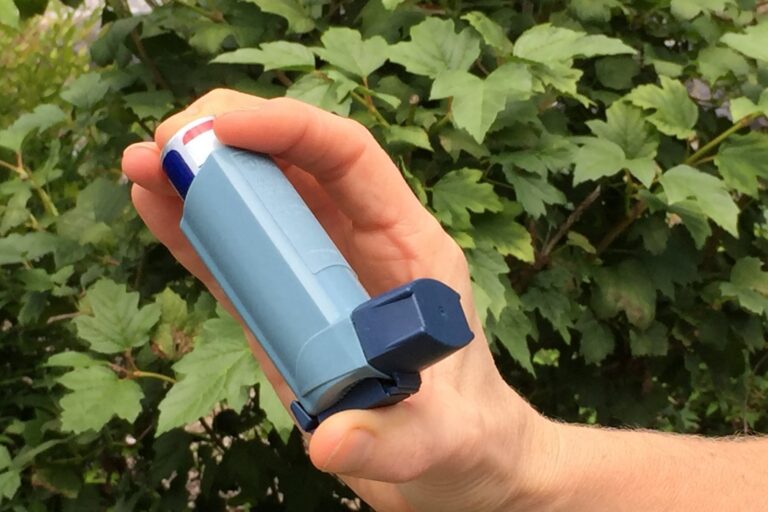
PHILADELPHIA, November 4, 2026 — A University of Pennsylvania study published in September shows that trained patient navigators can help low-income adults overcome housing, transportation, and medication barriers that keep asthma poorly controlled. The randomized trial followed 350 adults in Philadelphia neighborhoods and found modest improvements in asthma control after 12 months of navigator support.
Asthma burden in Philadelphia
Approximately 23 million American adults had asthma in 2023, representing 8.9% of the adult population, according to the CDC. Black adults experience higher prevalence than White and Hispanic adults. The Philadelphia metropolitan area ranks fourth among the most challenging places in the United States to live with asthma, according to the Asthma and Allergy Foundation of America. Early findings suggest that medication alone does not address the full picture for many patients.
Study design and participants
The trial, led by Tyra Bryant-Stephens at the University of Pennsylvania, enrolled 350 adults with moderate to severe asthma living in low-income Philadelphia-area neighborhoods. Most participants were Black (83%) and female (88%). Patients were randomized to receive either clinic-based navigation alone or additional navigator-supported home visits over 12 months. The study was published in The Journal of Allergy and Clinical Immunology: In Practice.
What navigators did
Navigators helped patients prepare for medical appointments, accompanied them to visits, and explained treatment recommendations. They also identified obstacles to effective asthma management. The encouraging part is that navigators performed many of the same functions as community health workers but were specially trained as research coordinators to help patients manage asthma and communicate with their doctors.
Hidden obstacles identified
The study catalogued barriers that often go unaddressed in routine clinical visits. These included poor housing conditions, transportation difficulties, medication problems, and exposure to household allergens such as mold and pests. Patients may struggle to control their disease because of smoking in the home, difficulty understanding treatment instructions, or the inability to reach a pharmacy or clinic. These social and environmental conditions make asthma particularly difficult to control in disadvantaged communities.
Results and limitations
Patients who received additional home visits experienced significantly greater improvements in asthma control after 12 months than those receiving clinic-based navigation alone. The home-visit group also saw a reduction in asthma-related urgent and emergency medical visits. However, the improvements were generally modest, did not reach the study’s threshold for a clinically meaningful difference, and were not sustained three months after the intervention ended. The COVID-19 pandemic also disrupted the research, forcing many home visits to be conducted virtually.
Three decades of health equity work
Bryant-Stephens, a pediatrician at Children’s Hospital of Philadelphia, has spent 30 years investigating ways to reduce asthma-related illness and preventable hospitalizations. In 1997, she founded CHOP’s Community Asthma Prevention Program, which uses health navigators to educate families, identify environmental triggers, and improve disease management. Her research has demonstrated the benefits of home-based interventions and explored how housing conditions, poverty, and unequal access to care contribute to asthma disparities. A 2024 trial involving 626 children found that patient navigators could successfully coordinate care across families, schools, and health care providers.
What this means for patients
Approximately 39% of people living with asthma remain uncontrolled despite current medicine. A European study of 8,000 people found that 80% considered their asthma controlled, despite 45.1% having uncontrolled asthma. The total direct cost of uncontrolled asthma to the UK’s NHS in 2023 was over £1.5 billion. Patients should talk to your doctor about whether navigator programs or community health worker support are available in your area. The encouraging part is that addressing social barriers alongside medical treatment may help reduce preventable emergency care.
Sources
- Chronic obstructive pulmonary disease
- Study Highlights Hidden Obstacles to Asthma Care
- Allergy & Asthma Network to Highlight Digital Health Innovation and Patient-Centered Communication at APHA 2026
- What does it really mean to control asthma?
Photo: NIAID (CC BY 2.0)