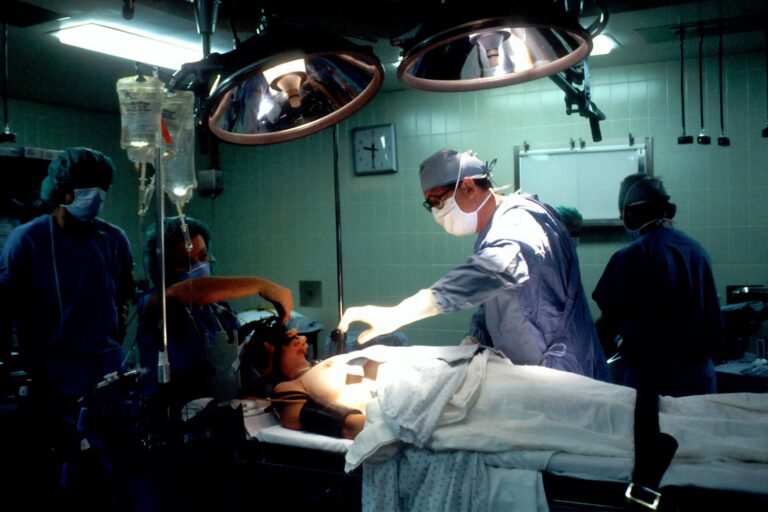
A new study published last week in Environmental Health found that babies born to mothers living in high-pollution areas of southeast Louisiana were 4.3 times more likely to have severe congenital heart defects compared to those in low-pollution areas. The research analyzed 454 infants hospitalized at the two major Louisiana hospitals capable of performing heart surgery on newborns.
What Pollutants Were Studied
Researchers used the U.S. Environmental Protection Agency’s risk-screening database to assess maternal exposure to 20 toxins known to cause adverse health effects during early development. The study specifically names benzene, formaldehyde, and toluene among those 20 industrial chemicals. Early findings suggest these pollutants, commonly released by petrochemical facilities, may interfere with cardiac formation during the first trimester when the fetal heart is developing.
How the Study Was Conducted
The team traced maternal residence at the time of birth for infants born between 2018 and 2021. They excluded pregnancies where the mother smoked, consumed alcohol, or had diabetes, aiming to isolate the role of environmental exposure. Infants from areas with intermediate pollution levels still faced 3.1 times higher odds of defects compared to low-pollution areas, indicating a dose-response pattern that strengthens the association.
A Legacy of Industrial Neighbors
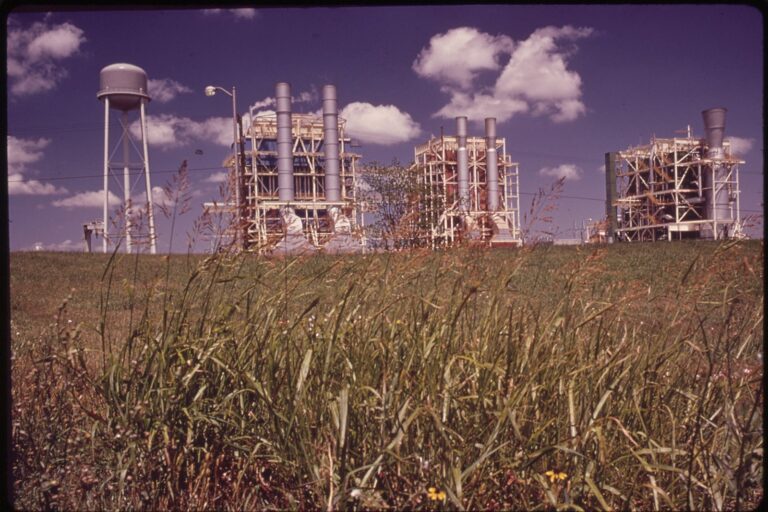
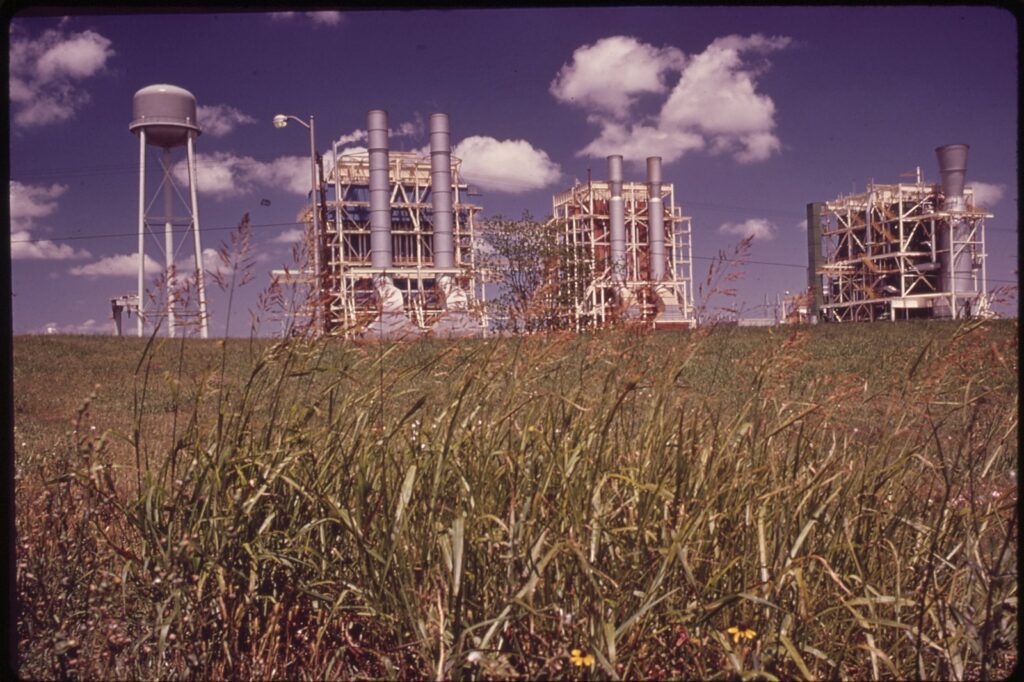
Louisiana’s petrochemical corridor has deep roots. In 1972, chemical plants lined the shoreline in Lake Charles, raising concerns about industrial waste entering waterways. Photographs from that era show industrial facilities and residential neighborhoods existing side by side, leaving families exposed to pollution where they lived and played. Historically polluting industries may leave legacy pollution long after the source of pollution is stopped, a pattern the EPA has documented across the Gulf Coast.
What This Means for Families
Dr. Kelly Gajewski, a pediatric cardiologist at Manning Family Children’s Hospital and professor at Louisiana State University Health Sciences Center, cared for some of the infants in the study. “I think the biggest part of it is that it is very anxiety-producing to have a baby that has congenital heart disease,” she said. Dr. Gajewski suspected higher rates of severe congenital heart disease after moving to Louisiana more than a decade ago, which led her to explore environmental factors as possible contributors.
The Critical Window
Lead author Kimberly Terrell, a research scientist with the Environmental Integrity Project, emphasized that developmental impacts come from relatively short exposures during early pregnancy. “We know that early in pregnancy is the critical window of heart development and also development of other body systems, so you have this pretty narrow three-month window where it’s really critical to reduce these exposures,” she said. The encouraging part is that this window is identifiable, which helps focus prevention efforts.
Next Steps for Patients
Patients should discuss any concerns about environmental exposures with their obstetrician or a maternal-fetal medicine specialist, especially if they live near industrial facilities. Talk to your doctor about what screening or monitoring may be appropriate for your pregnancy.
Sources
- Pollution
- Babies more likely to have heart defects from Louisiana’s areas with industrial pollution, study finds
- New Documentary Traces the Fight Against Industrial Pollutants in North Carolina Drinking Water
- Judge Greenlights NAACP Suit Against xAI Over Data Center Pollution
- Enforce pollution norms fairly – The Tribune
- These Color Photos Show Everyday Life and Pollution in 1970s America
Photo: Marc St. Gil (Public domain)