

For families facing a diagnosis of metastatic pancreatic cancer, the statistical outlook has historically been stark. The disease is often identified at an advanced stage, leaving few effective options for treatment. However, a new study published in Nature Medicine offers a significant shift in that trajectory. Researchers at Northwestern Medicine reported that adding an experimental drug called elraglusib to standard chemotherapy doubled the one-year survival rate for patients with metastatic pancreatic ductal adenocarcinoma.
The findings come from a randomized phase 2 clinical trial involving 233 patients enrolled across approximately 60 medical centers in North America and Europe. In the study, participants were randomly assigned to two groups: one received the standard chemotherapy regimen of gemcitabine and nab-paclitaxel, while the other received the same chemotherapy combined with elraglusib. The human side of this data is profound. The proportion of patients still alive one year after treatment began rose from 22.3% in the chemotherapy-only group to 44.1% in the combination therapy group. That is an absolute difference of 21.8 percentage points, a figure that translates to nearly double the chance of seeing a child’s first birthday or a holiday season for those who would otherwise have very little time.
Behind the Breakthrough: How the Drug Works
Elraglusib is not a traditional chemotherapy agent. While drugs like gemcitabine and nab-paclitaxel target rapidly dividing cells, elraglusib works by inhibiting a specific protein known as glycogen synthase kinase-3 beta, or GSK-3β. This protein is involved in several cellular signaling pathways. By blocking GSK-3β, the experimental drug may influence the tumor microenvironment, which is the complex network of immune cells, blood vessels, and other components surrounding a tumor. This mechanism suggests that the drug may help the body’s own systems work more effectively against the cancer, rather than just attacking the tumor cells directly.
The study also measured the overall survival benefit. The median overall survival for patients receiving the combination treatment reached 10.1 months, compared to 7.2 months for those receiving chemotherapy alone. Additionally, patients in the combination group had a 38% lower estimated hazard of death during the study period. Perhaps most significantly for patients and their families, some individuals in the elraglusib group survived beyond two years. The study reported an estimated two-year survival rate of 13.2% in the experimental group, whereas no patients in the chemotherapy-only group had survived to that point at the original data cutoff. For a disease where long-term survival is rare, these milestones represent a meaningful change in prognosis.
The Human Cost: Side Effects and Safety
While the survival benefits are striking, the treatment is not without its burdens. The researchers noted that side effects remained an important consideration for patients. The most common serious adverse events included fatigue, reduced white blood cell counts, and anemia. Some patients also reported temporary visual disturbances. The safety profile was described by the researchers as manageable, but the combination therapy did carry a higher risk of severe complications compared to chemotherapy alone. For example, severe neutropenia, a condition where white blood cell counts drop dangerously low, occurred in 52.3% of patients receiving elraglusib and chemotherapy, compared with 30.8% of those receiving chemotherapy alone.
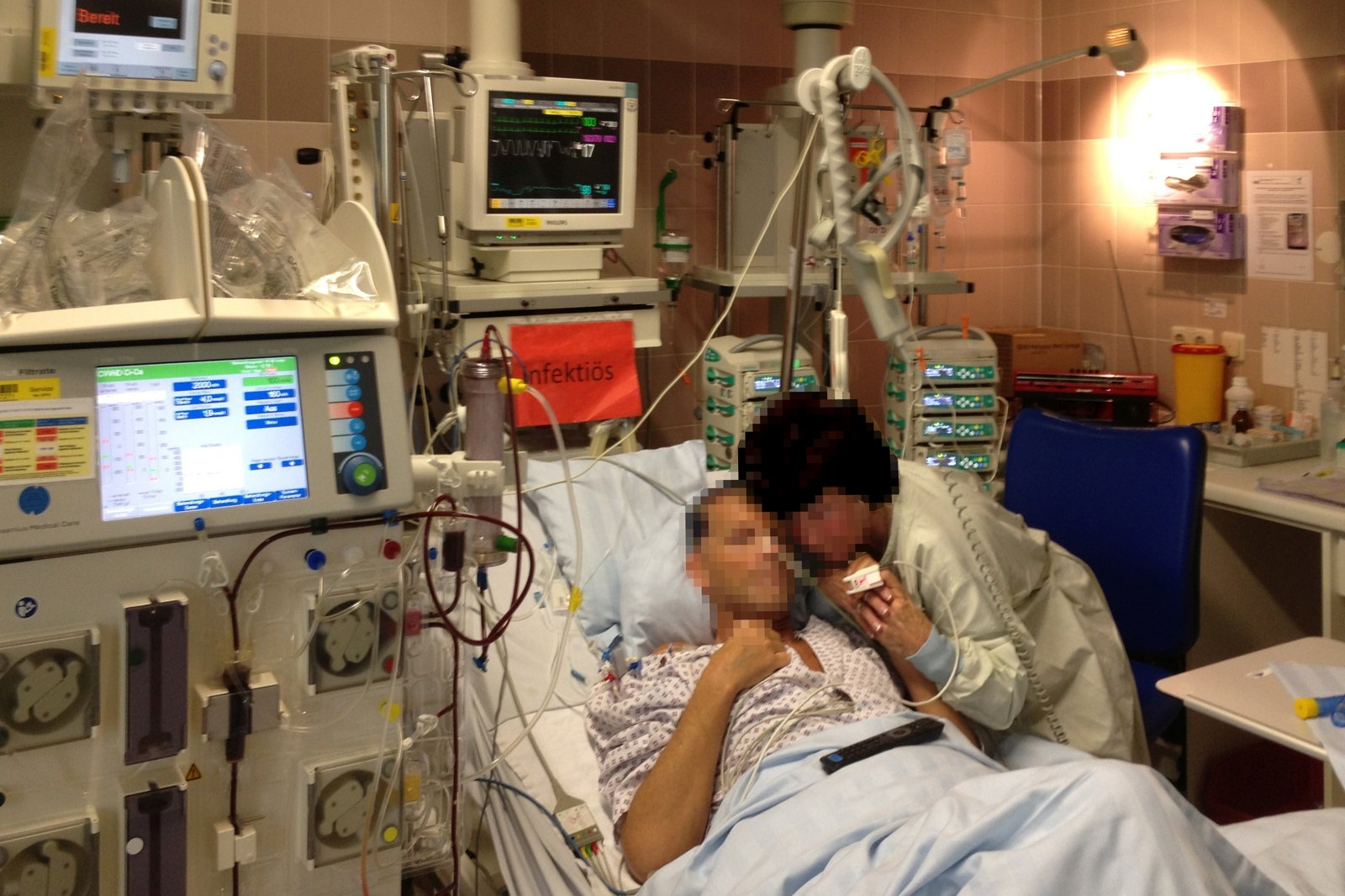
These side effects are a critical part of the conversation for any patient considering this therapy. Fatigue and anemia can significantly impact daily life, and severe neutropenia increases the risk of infection. The researchers emphasized the need to monitor treatment-related complications carefully. For families, this means that while the potential for extended survival is real, it comes with a regimen that requires close medical supervision and may involve significant physical challenges. The balance between the benefit of living longer and the quality of life during treatment is a decision that must be made in consultation with an oncology team.
What This Means for Patients
The results of this phase 2 trial provide a reason for cautious optimism, but they do not yet mean that elraglusib is available for use in standard care. The study was designed to evaluate the effectiveness and safety of the drug in a controlled setting. The fact that the drug was tested alongside standard gemcitabine and nab-paclitaxel chemotherapy suggests that it may be intended as an add-on therapy rather than a replacement. For patients currently undergoing treatment, this does not change their current protocol unless they are participating in a clinical trial. However, it does offer a new benchmark for what might be possible in the future.
Pancreatic cancer remains one of the most difficult cancers to treat, and the majority of patients are still diagnosed at an advanced stage. The study focused specifically on metastatic pancreatic ductal adenocarcinoma, which is the most common type of pancreatic cancer. The findings are particularly relevant for patients who have already developed metastatic disease, a stage where treatment options have historically been limited and survival rates have been low. The doubling of one-year survival from 22% to 44% is a substantial improvement, but it is important to understand that this data comes from a phase 2 trial. Phase 2 trials are smaller than phase 3 trials and are designed to assess efficacy and safety, not to definitively prove long-term benefits or establish a new standard of care.
The trial was conducted across approximately 60 medical centers in North America and Europe, which provides a diverse patient population and strengthens the generalizability of the findings. However, as with any clinical trial, the results are specific to the patients enrolled in the study. Patients with different health conditions, genetic profiles, or stages of disease may respond differently to the treatment. The researchers at Northwestern Medicine, who led the study, believe that the potential survival benefits justify further clinical investigation. They emphasized the need for ongoing monitoring of safety and efficacy in larger, more definitive trials.
The Path to Approval and Access
For the drug to reach patients in the general population, it must undergo further regulatory review and clinical validation. The publication of the results in Nature Medicine is a significant step, but it is not a guarantee of approval. The U.S. Food and Drug Administration (FDA) and other regulatory bodies will require additional data, likely from phase 3 trials, to determine whether the benefits of elraglusib outweigh the risks for a broader population. Phase 3 trials are larger and more rigorous, designed to confirm the drug’s effectiveness and monitor for rare or long-term side effects.
The timeline for approval is uncertain. Clinical trials for pancreatic cancer can take years, and the process of regulatory review adds additional time. In the meantime, patients and their families should be aware that elraglusib is not yet available outside of clinical trials. For those interested in accessing the drug, the first step is to speak with their oncologist about eligibility for ongoing or upcoming clinical trials. Clinical trial registries can provide information on available studies, but participation requires meeting specific inclusion and exclusion criteria. The decision to join a clinical trial is a personal one, and it should be made with the guidance of a healthcare provider who can explain the potential benefits and risks in the context of the patient’s individual health situation.
It is also worth noting that the landscape of pancreatic cancer treatment is evolving rapidly. Other experimental therapies are being developed and tested, including drugs that target specific genetic mutations associated with the disease. The progress in this field is not limited to elraglusib; it is part of a broader effort to find more effective treatments for a disease that has long been considered incurable. For families, this means that there is more hope than there was even a few years ago, but it also means that the journey to finding the right treatment can be complex and challenging.
The Broader Landscape of Pancreatic Cancer Therapies
The results of the elraglusib trial are part of a larger trend in cancer research, where combination therapies and targeted treatments are showing promise in diseases that were previously considered untreatable. Pancreatic cancer is often diagnosed at an advanced stage, and the lack of effective screening tools contributes to the poor prognosis. However, advances in understanding the molecular mechanisms of the disease are leading to new therapeutic strategies. The focus on the tumor microenvironment, as seen in the mechanism of elraglusib, is one example of this shift. Researchers are increasingly looking at how the body’s immune system and other cellular processes interact with the tumor, rather than just targeting the tumor cells themselves.
Other companies and research institutions are also working on new treatments for pancreatic cancer. For instance, Incyte Corp. is advancing two experimental cancer treatments into late-stage clinical development after early trials showed tumor responses in patients with pancreatic and colorectal cancers. The company presented updated results for its KRAS G12D inhibitor, INCB161734, and its experimental immunotherapy, INCA33890, at the 2026 European Society for Medical Oncology Congress. In a Phase 1 pancreatic cancer study, INCB161734 combined with modified FOLFIRINOX chemotherapy produced a reported objective response rate of 89% among patients with metastatic tumors carrying the KRAS G12D mutation. These findings support ongoing Phase 3 studies and additional trials planned for 2027.
Similarly, Verastem, Inc. is advancing its experimental KRAS G12D inhibitor VS-7375 toward potential accelerated approval in pancreatic cancer. The company is targeting a potential accelerated-approval filing for VS-7375, aiming to complete enrollment in the main TARGET-D 201 cohort by year-end and potentially submit in the second quarter of the following year. The company’s reported 41% response rate came from a small 22-patient dataset, and the timeline depends on response durability and FDA discussions. These developments highlight the intensity of the effort to find new treatments for pancreatic cancer. For patients, this means that there are multiple avenues of research being pursued, and the possibility of new options is growing.
However, it is important to remain grounded in the data. The results from elraglusib, INCB161734, and VS-7375 are promising, but they are still in the stages of clinical development. They have not yet been approved for general use, and their long-term safety and efficacy are still being evaluated. For families, the key takeaway is that there is progress, but it is not yet widely available. The best course of action is to stay informed and to work closely with a healthcare provider who can provide the latest information on treatment options and clinical trials.
The human side of these medical breakthroughs is the hope they bring to patients and their families. For those who have been told they have little time left, the possibility of living longer, even if it is only a matter of months, can be a lifeline. The doubling of one-year survival from 22% to 44% is not just a statistic; it is the difference between a short farewell and a longer, more meaningful time with loved ones. It is the difference between missing a wedding and attending it, or between a brief goodbye and a chance to share more memories. These are the reasons why researchers continue to push the boundaries of what is possible in cancer treatment.
As the field of pancreatic cancer research continues to evolve, it is important for patients and their families to be advocates for themselves. This means asking questions, seeking second opinions, and staying informed about new developments. It also means being mindful of the emotional and physical toll that treatment can take. Support systems, whether from family, friends, or professional counselors, are essential for navigating the journey. The road ahead is still long, and there are no guarantees, but the data suggests that the horizon is brightening. For those currently battling pancreatic cancer, the message is one of cautious hope and the importance of staying engaged with their healthcare team.
The study led by researchers at Northwestern Medicine was published in Nature Medicine, a peer-reviewed journal that ensures the findings have been scrutinized by experts in the field. This adds to the credibility of the results and suggests that the data is robust. The inclusion of patients from different regions and backgrounds helps to ensure that the findings are applicable to a diverse population. This is important in a disease like pancreatic cancer, which affects people of all ages, races, and ethnicities.
The mechanism of action of elraglusib, targeting GSK-3β, is also significant because it represents a different approach to treating pancreatic cancer. Traditional chemotherapy has been the mainstay of treatment, but it often comes with severe side effects and limited efficacy. By targeting the tumor microenvironment, elraglusib may offer a way to enhance the body’s own ability to fight the cancer. This is a promising direction for future research, and it may lead to the development of new combination therapies that are more effective and better tolerated.
For families, the key is to stay informed and to work closely with their healthcare providers. The landscape of pancreatic cancer treatment is changing, and new options are emerging. However, it is important to be realistic about the current state of the disease. But the results of the elraglusib trial suggest that progress is being made, and that there is hope for the future. For those who are currently undergoing treatment, the best course of action is to discuss the latest research with their oncologist and to explore all available options, including clinical trials.
The side effects of elraglusib, such as fatigue, reduced white blood cell counts, and anemia, are common in cancer treatment, but they can significantly impact quality of life. Severe neutropenia, which occurred in 52.3% of patients in the combination group, is a serious complication that requires careful management. Patients should be aware of the signs of infection and seek medical attention immediately if they experience fever, chills, or other symptoms. The researchers emphasized the need to monitor treatment-related complications carefully, and this should be a priority for any patient considering this therapy.
The two-year survival rate of 13.2% in the elraglusib group is a particularly encouraging finding. For a disease where long-term survival is rare, this suggests that the combination therapy may be able to extend life significantly for some patients. The fact that no patients in the chemotherapy-only group survived to the two-year mark at the original data cutoff highlights the potential impact of the experimental drug. For families, this means that there is a possibility of living longer than previously expected, which can have profound implications for planning and emotional well-being.
The study also provides insights into the safety profile of elraglusib. Temporary visual disturbances were also reported. These side effects are manageable, but they require close monitoring. This is an important consideration for patients and their families, as the goal of treatment is not just to extend life, but also to maintain quality of life.
In conclusion, the results of the phase 2 trial of elraglusib in metastatic pancreatic cancer are promising. The doubling of one-year survival from 22% to 44% is a significant improvement, and the two-year survival rate of 13.2% suggests that the combination therapy may be able to extend life significantly for some patients. The mechanism of action of elraglusib, targeting GSK-3β, represents a new approach to treating pancreatic cancer, and it may lead to the development of new combination therapies in the future. However, it is important to remember that the drug is not yet approved for general use, and that further clinical trials are needed to confirm its safety and efficacy. For patients and their families, the best course of action is to stay informed and to work closely with their healthcare providers to explore all available options.
For families dealing with a pancreatic cancer diagnosis, the emotional and financial burden can be overwhelming. The cost of treatment, the time away from work, and the uncertainty of the future can take a toll on individuals and families. It is important to seek support from financial counselors, social workers, and other resources that can help navigate these challenges. Many hospitals have financial navigation programs that can assist with insurance claims, billing, and other financial issues. Additionally, there are many organizations that provide support and resources for patients and families with pancreatic cancer, such as the Pancreatic Cancer Action Network (PanCAN) and the American Pancreatic Association. These organizations can provide information, support, and advocacy for patients and their families.
The human side of cancer treatment is often overlooked in the rush to report on new drugs and therapies. But it is the stories of the patients and their families that truly matter. The doubling of one-year survival is a statistical achievement, but it is the individual lives that are changed that make the real difference. For those who have been given a diagnosis of metastatic pancreatic cancer, the news of the elraglusib trial is a beacon of hope. It suggests that there is a path forward, even if it is still under development. For those who are currently undergoing treatment, it is a reminder that progress is being made, and that there is reason to be optimistic.
The study was led by researchers at Northwestern Medicine, a leading academic medical center known for its excellence in research and patient care. The publication of the results in Nature Medicine is a testament to the quality of the research and the significance of the findings.
As the field of pancreatic cancer research continues to evolve, it is important for patients and their families to stay informed and to work closely with their healthcare providers. The landscape of treatment is changing, and new options are emerging. However, it is important to be realistic about the current state of the disease.
Sources
- Pancreatic cancer: adding an experimental drug to chemo doubled one-year survival in a trial of 233 patients, from 22% to 44% – Futura-Sciences
- Verastem Targets Accelerated Approval for Pancreatic Cancer Drug, Expands Trial Plans
- A promising drug for an inherited heart risk flops, stunning doctors | CNN
- A promising drug for an inherited heart risk flops, stunning doctors | CNN
- Incyte Advances Pancreatic and Colorectal Cancer Drug Trials – MyChesCo
Photo: Tdorante10 (CC BY-SA 4.0)




