SAULT STE. MARIE, November 1, 2026 — A new study reveals that more than 6,400 oil spills occurred in the Great Lakes between 2015 and 2024, most of them small but poorly documented. Researchers are now calling for improved reporting and standardized practices to better understand the long-term ecological impact of these incidents.
The Human Side of the Spill
For families living along the shores of the Great Lakes, these findings hit close to home. The study, led by Lake Superior State University and published in the Journal of Great Lakes Research, shows that Lake Michigan saw the most spills—about 150 per year. While many of these were small, their cumulative effect on the ecosystem remains largely unstudied.
“We know these small spills won’t grab headlines like the big ones, but they could have a steady, long-term impact on the ecosystems we rely on,” said Dr. Cecilia Heuvel, the study’s lead author. “That’s the human side of this—it’s about the water we drink, the fish we eat, and the places we call home.”
Behind the Breakthrough
The research team analyzed data from the U.S. Coast Guard’s National Response Center and the government of Ontario. They found that 94% of the spills involved less than 500 liters of oil. However, only 35% of U.S. incidents included a reported spill volume, and Canadian records contained no volume data before 2023. This lack of information makes it difficult to assess the true environmental impact.
The study also highlights the risks posed by pipelines like Enbridge’s Line 5, which crosses the Straits of Mackinac. A 2010 rupture of a similar pipeline, Line 6B, released over 845,000 gallons of oil into the Kalamazoo River, a tributary of Lake Michigan. Cleanup costs exceeded $767 million, and hundreds of people reported symptoms consistent with crude oil exposure.
What This Means for Patients
While the study focuses on ecological impacts, the health implications of oil spills cannot be ignored. Exposure to crude oil and its byproducts can lead to respiratory issues, skin irritation, and long-term health problems. For families living near the Great Lakes, understanding these risks is crucial.
“Small spills might not make the news, but they can still affect our health,” said Liz Kirkwood of Flow Water Advocates. “We need better reporting and research to protect both our environment and our communities.”
The Road Ahead
Researchers are calling for standardized reporting practices between the U.S. and Canada, including consistent documentation of spill volume, oil type, and location. This would allow for more comprehensive assessments of oil spill risks across the Great Lakes basin.
As the debate over pipelines like Line 5 continues, the study serves as a reminder of the ongoing risks to one of the world’s largest sources of freshwater. For now, the focus remains on understanding the impact of these spills—and ensuring that the Great Lakes remain a safe and healthy resource for generations to come.
The next step? Talk to your local representatives and stay informed. The health of the Great Lakes is too important to ignore.
Sources
- More than 6,400 oil spills occurred in the Great Lakes over a decade, study shows. But the impact is largely unknown.
- The Stream, October 27, 2026: Some 6,400 Spills into the Great Lakes Released an Unknown Volume of Oil in Last Decade, Study Shows
- LSSU-led Study Documents more than 6,400 Oil Spills across the Great Lakes over a decade
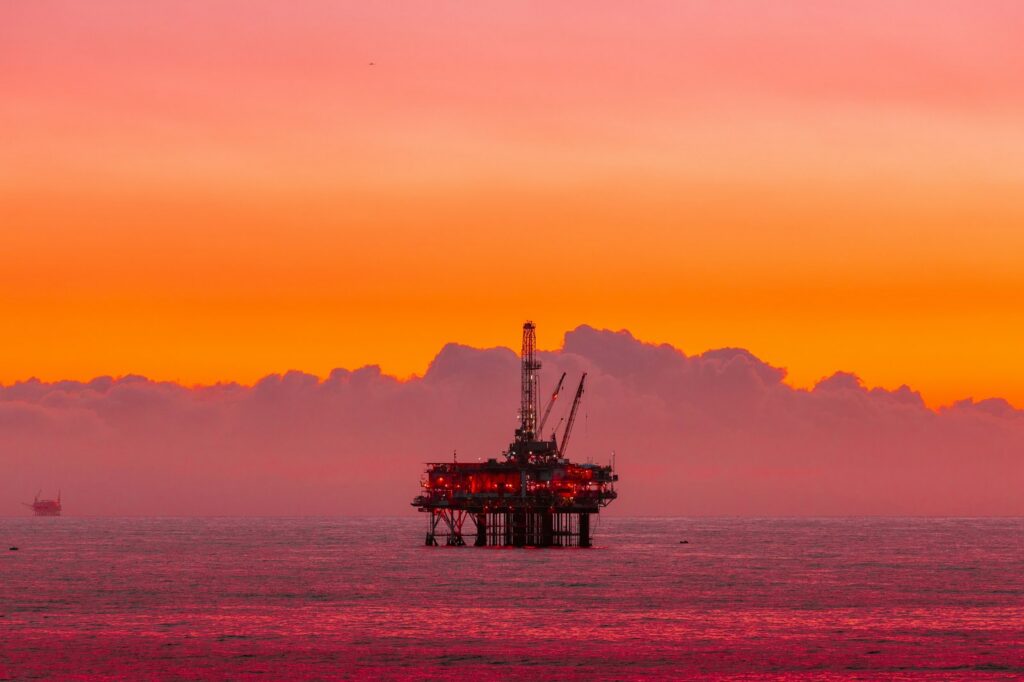
Photo: Arvind Vallabh / Unsplash (Unsplash License)