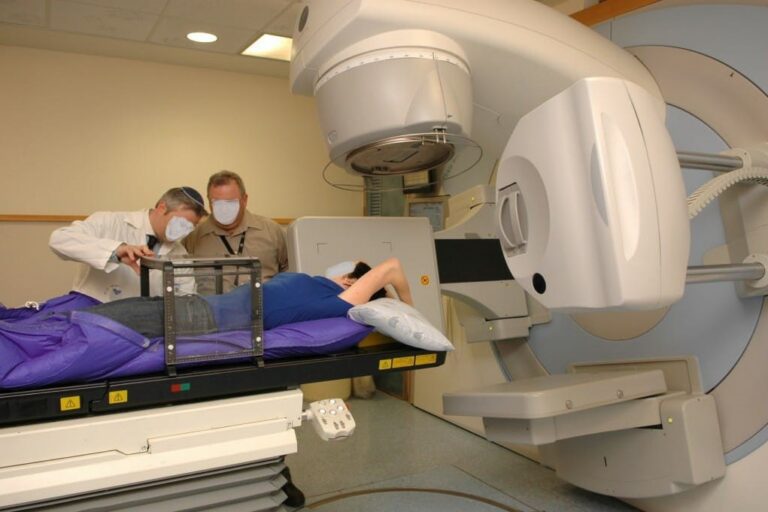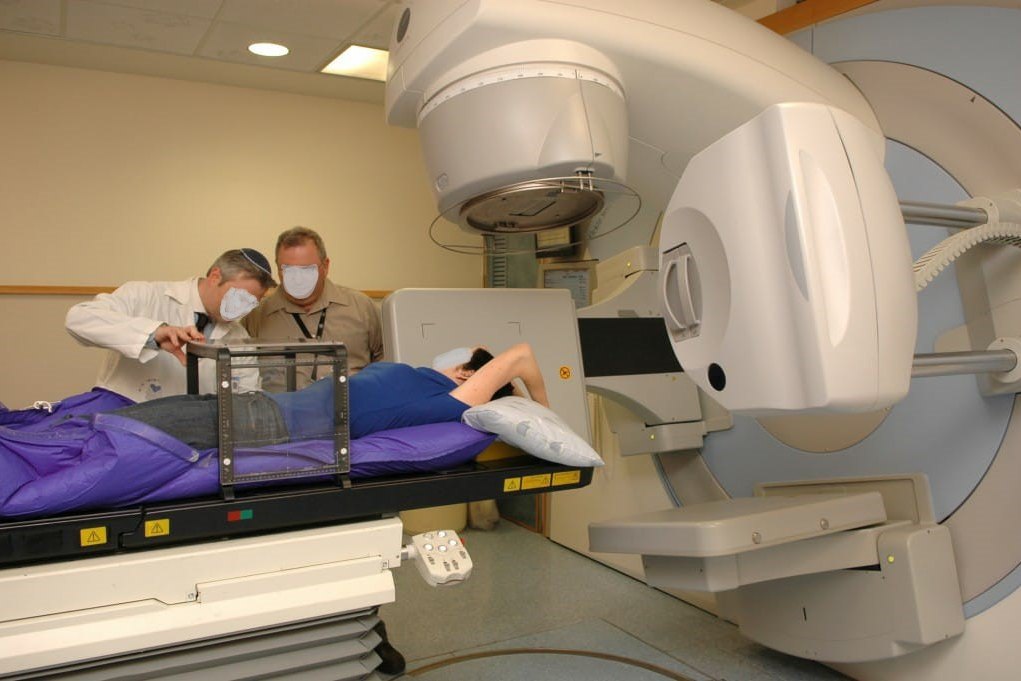
A new study published in the Journal of Clinical Oncology has found that surgical resection remains the preferred curative-intent treatment for medically suitable patients with early-stage non-small cell lung cancer (NSCLC), with stereotactic ablative radiotherapy (SABR) linked to higher three-year mortality rates. For patients diagnosed with early-stage NSCLC, a common question arises: what are the long-term side effects of SABR?
Background And History Of SABR
SABR, also known as stereotactic body radiotherapy (SBRT), was first developed in 1949 by Swedish neurosurgeon Lars Leksell to treat small targets in the brain that were not amenable to conventional surgery. Over the years, significant progress has been made, with the development of the Gamma Knife in 1968, which used cobalt-60 radioactive sources to deliver gamma rays. Today, SABR delivers highly conformal, ablative radiation doses to a defined tumor volume over a limited number of treatment sessions, avoiding general anesthesia, surgical incisions, and the immediate risks associated with pulmonary resection.
How SABR Works And Its Benefits
SABR works by using a three-dimensional coordinate system to accurately target the tumor, delivering a lethal cumulative dose of radiation while limiting the dose to adjacent healthy tissue. This technique is particularly valuable for patients with impaired pulmonary function, cardiovascular disease, advanced age, or other conditions that make surgery unsuitable. The benefits of SABR include its ability to treat tumors that are not amenable to conventional surgery, reducing the risk of complications and side effects associated with surgical resection.
Study Findings And Implications
A large English population-based study published in the Journal of Clinical Oncology found that among 12,546 patients with early-stage NSCLC, the adjusted three-year all-cause mortality was 30.3% following SABR, compared to 21.6% after surgery. These findings suggest that while SABR may not be the preferred treatment for all patients, it remains an important nonsurgical option for those who are not medically suitable for surgery.
What The Results Mean For Patients
For patients diagnosed with early-stage NSCLC, the study’s findings highlight the importance of individualized treatment selection. While SABR may not offer the same survival benefits as surgical resection for all patients, it remains a valuable option for those who are not medically suitable for surgery. Patients should discuss their treatment options with their doctor or oncologist to determine the best course of treatment for their individual needs. As with any cancer treatment, it is essential to consider the potential side effects and benefits of SABR, and to weigh these against the risks and benefits of surgical resection. Talk to your doctor or oncologist to determine the best treatment plan for your specific situation.
Sources
- SABR Versus Surgery in Early-Stage NSCLC: New JCO Study Supports Surgical Resection, With Important Questions for Older Patients – OncoDaily
- Radiosurgery
- Campaign launched to help over 60s become more active
Photo: Noa holzmann (CC BY-SA 4.0)