
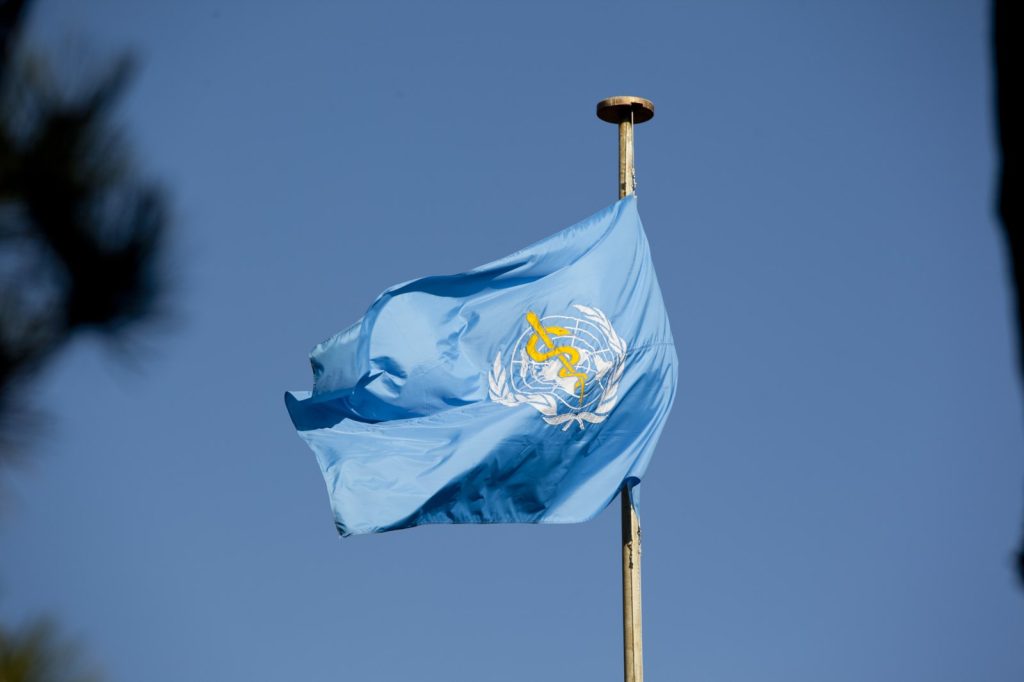
On May 5, 2023, the World Health Organization’s Emergency Committee told the agency that COVID-19 no longer met the definition of a Public Health Emergency of International Concern. The WHO Director-General accepted the advice. The designation, first issued on January 30, 2020, was gone.
That makes the pandemic’s emergency phase roughly three years and three months long. In the United States, the federal public health emergency ended a few days later, on May 11, 2023.
The WHO never issued a statement that “the pandemic is over.” Ending the emergency designation is the closest thing to it, and most institutions and historians use that date. The disease was by then well established and ongoing. It simply no longer counted as an extraordinary emergency.
Waves of variants
Unusual pneumonia cases were reported in Wuhan in late December 2019. The January 2020 declaration was the moment the top global health authority formally named the threat.
The original strain dominated most of 2020. In December 2020, the U.K. announced it had detected Alpha, a more contagious variant that spread quickly around the world. Delta, first identified in India, was the dominant strain in the United States and much of the world by June 2021. It was far more transmissible and caused more severe illness, which fueled a hard summer and fall wave even with vaccination well under way.
South African scientists identified Omicron in November 2021. By late January 2022 it made up roughly 99% of U.S. cases. It spread faster than any earlier variant but generally caused milder disease, especially among the vaccinated. Together with immunity from vaccines and past infection, that began the pandemic’s long tail.
Vaccines and the toll
The Pfizer-BioNTech vaccine received emergency use authorization in the U.S. on December 11, 2020, less than a year after the virus’s genetic sequence was first published. No vaccine had ever moved that fast. Full FDA approval came on August 23, 2021. Shots did not end the pandemic overnight, but they steadily cut severe illness, hospitalization and death.
The WHO estimates approximately 14.9 million excess deaths worldwide in 2020 and 2021 alone, within a likely range of 13.3 million to 16.6 million. That count includes people who died of COVID-19 and those who could not get care for other conditions while health systems were overwhelmed. Global life expectancy fell by 1.8 years between 2019 and 2021, to 71.4 years, which wiped out roughly a decade of gains.
An ending with no clear line
COVID-19 still circulates. What changed is that most people’s immune systems now know it, through infection, vaccination or both. No agreed definition says when a pandemic becomes endemic, and no threshold for hospitalizations, vaccination coverage or case counts marks the change.
Long COVID blurs the picture further. Research from the RECOVER initiative found that between 10% and 26% of adults who had COVID-19 developed it, along with about 4% of children.




