
The United States has over 1 million firefighters, paid and volunteer, and until the spring of 2023 no single national database could say how many of them go on to develop cancer, or why. In mid-April that year, the CDC’s workplace-safety arm, NIOSH, opened online enrollment for the National Firefighter Registry for Cancer.
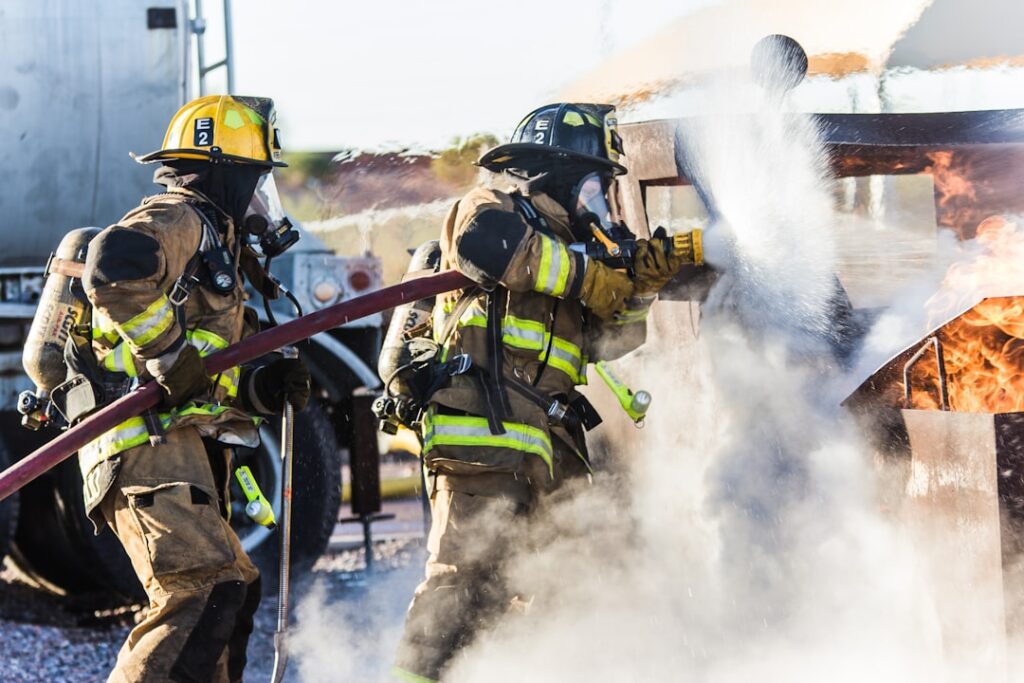
NIOSH called it the largest effort the country has made to understand cancer in the fire service. The agency’s case rests on a simple point: studies repeatedly show that firefighters who work around burning materials breathe in smoke and hazardous chemicals, and that this may raise the risk of certain cancers.
Where the registry came from
A 2018 law, the Firefighter Cancer Registry Act, told NIOSH to build a voluntary registry. Planning followed with a national panel of experts spanning firefighting, emergency response, public health, epidemiology and medicine. The White House tied the launch to the Cancer Moonshot, and the announcement noted that President Biden had signed two laws aimed at firefighter health and protection from toxic exposures.
The design is straightforward. The registry gathers details of a firefighter’s work and sets them against cancer information held by state cancer registries. Scientists can then look for patterns that no single department could see.
How to join
Participation is voluntary, but every U.S. firefighter is encouraged to sign up, with or without a cancer diagnosis. The survey runs through a secure website, NFR.CDC.GOV, and takes about 30 minutes. Applicants pick a password to open an account, fill in a profile with contact details and work status, then answer a questionnaire on demographics, their time in the fire service, medical history and lifestyle choices.
NIOSH director John Howard, M.D., put the logic bluntly: “the more firefighters who join the NFR, the more researchers can learn about cancer arising from firefighting and how to prevent it.”
The team leader, Kenny Fent, Ph.D., said the agency especially wants people who have often been missed in research: women, volunteers, and members of racial and ethnic minorities.
The registry later passed 50,000 enrolled firefighters, and over 165 departments, in more than 32 states, hold NIOSH’s Gold Helmet status, which requires half of a department’s active firefighters, or 300-plus, to be signed up.
Sources
- NIOSH launches the National Firefighter Registry for Cancer (ISHN)
- NIOSH's National Firefighter Registry Established to Learn More About Firefighting and Cancer (Occupational Health & Safety)
- NIOSH National Firefighter Registry reaches 50,000 enrollments (FireRescue1)




