
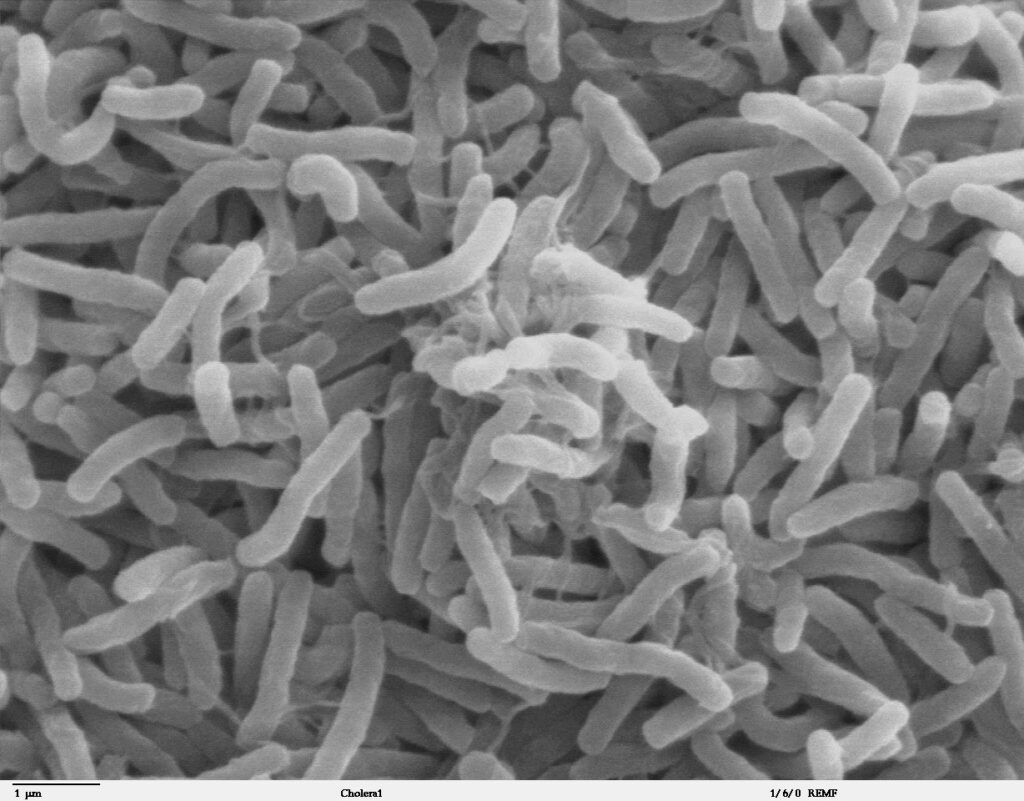
Sudan had recorded 124,269 suspected cholera cases and 3,355 deaths by November 2025, with the disease present in all 18 states. Of those, 71,373 cases and 1,996 deaths came in 2025 alone, the highest totals in Africa for that period. The worst of it fell on Khartoum, North Kordofan, White Nile and Darfur.
Sudan’s outbreak sits inside a wider one. By 31 August 2025, 32 countries in five WHO regions had together reported 462,890 cases and 5,869 deaths. The epidemic has also reached Chad and South Sudan. By October 2025, South Sudan’s outbreak had grown into the worst in that country’s history, with 95,450 reported cases and 1,587 deaths.
Omdurman, May
Al Jazeera described how the disease moved through the capital region. After Sudan’s army retook Khartoum in March, tens of thousands of people came back to check on their homes. Many settled in Omdurman, where several localities had never fallen to the Rapid Support Forces and conditions were somewhat better. The city filled up fast. Dr Dirar Abeer, a member of Khartoum’s Emergency Response Rooms, said “thousands of people” were returning from Egypt alone, and the crowding sped up the spread of cholera.
Then the power went out. Omdurman’s grids went down on May 14 after the RSF fired a barrage of suicide drones that knocked out major power stations, according to the report. Water treatment plants shut with them. Fazli Kostan, project coordinator for Doctors Without Borders, said the disease could be stopped with basic sanitation, “but that’s not really possible right now.”
People turned to the Nile and to puddles left by rain. A volunteer named Badawi, who withheld his full name because of the danger of speaking in a war zone, said there were “a lot of corpses rotting next to [or in] the Nile” south of Omdurman.
The UN says daily cases jumped from 90 to more than 815 in the second half of May. The Ministry of Health, backed by the army, reported at least 172 deaths between May 20 and May 27.
Hospitals could not keep up. “We do not have enough medication or medical tools, and the rate of people coming to the hospitals is far more than we can handle,” said Kareem al-Noor, a medic at al-Nao hospital. Local volunteers said many patients have no life-threatening symptoms and would do better isolating at home.
Why it spread
The war damaged or destroyed water and sewage systems, and many clinics closed for lack of supplies. More than 11.7 million people had been displaced by November 2025, around 7.26 million of them inside Sudan, many into overcrowded areas with poor sanitation. Heavy rains in 2025 flooded roads, slowed aid and cut off clean water. Security limits hampered surveillance and disrupted vaccine delivery. Vaccines gave temporary protection but, as a report on the outbreak put it, were meant mainly to buy time while water and sanitation improved.
Cholera infections were highest among people aged 20 to 29, followed by those aged 10 to 19. Deaths clustered at the extremes: people 70 and older recorded the most, closely followed by children under five. Malnourished children faced a far higher risk of complications. The UN has said about 25 million people in Sudan, more than half the population, face extreme food shortages, and it warned that up to one million children could die from cholera unless the spread is stopped quickly.
Alex De Waal, an expert on Sudan and famine, said repairing electricity and sewage systems is the only way to head off the crisis, but he doubts the army will make it a priority. “My sense is the army is too stretched financially and organisationally to prioritise anything other than fighting the war,” he told Al Jazeera. Army spokesperson Nabil Abdullah said the questions were “not for the army, but for the Ministry of Health.” Health ministry spokesperson Dr Montasser Towarra had not answered Al Jazeera’s questions by publication.
The outbreak that began in July 2024 was declared over, then returned. On 29 June 2026, the Sudanese health ministry and WHO chief Tedros Adhanom Ghebreyesus announced a new cholera outbreak in West Kordofan state, four months after the end of the earlier one was declared.
Sources
- Sudanese cholera epidemic (2024–present) – Wikipedia
- ‘Corpses rotting in the Nile’ as cholera tears through Sudan
Sources
- Sudanese cholera epidemic (2024–present) – Wikipedia
- ‘Corpses rotting in the Nile’ as cholera tears through Sudan | Al Jazeera




