
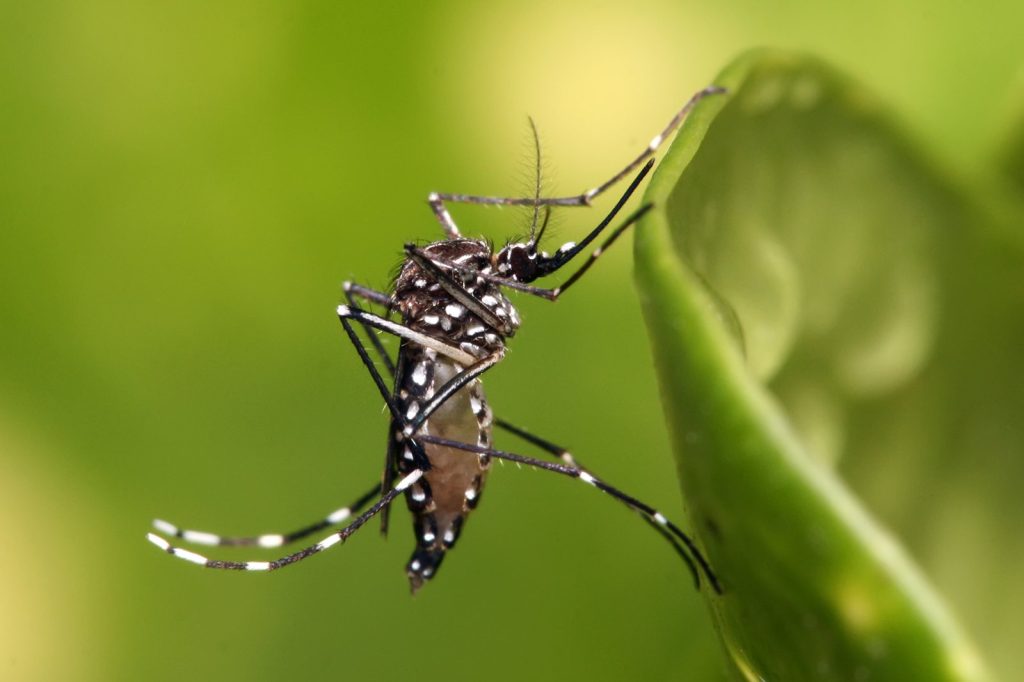
Health authorities in Mali have recorded a sharp increase in dengue fever cases as of December 6, 2023, with at least 21 fatalities and 600 confirmed infections linked to the mosquito-borne illness. The disease, caused by the dengue virus, remains a persistent threat in tropical and subtropical regions and can lead to severe complications without proper care. Symptoms of dengue fever typically emerge 3 to 14 days after a mosquito bite and include high fever, headache, vomiting, muscle and joint pain, as well as skin itching and a characteristic rash.
Most infections are either asymptomatic or produce mild symptoms, with recovery usually occurring within two to seven days. However, a small percentage of cases progress to severe dengue, formerly called dengue hemorrhagic fever or dengue shock syndrome.
This severe form involves bleeding, low blood platelet counts, leakage of blood plasma, and dangerously low blood pressure. Local health officials are coordinating response efforts to address the outbreak. Measures include distributing insecticide-treated bed nets, eliminating standing water where mosquitoes breed, and running public awareness campaigns to inform communities about dengue risks.
Dr. Samba Sow, a leading epidemiologist in Mali, stated that the situation is under close observation to prevent further outbreaks. He emphasized that a multi-faceted approach is necessary to manage the current surge and reduce future cases.
The World Health Organization is collaborating with Malian authorities to implement control strategies, such as removing mosquito breeding sites and applying insecticides. Dr. Matshidiso Moeti, WHO Regional Director for Africa, highlighted the importance of community engagement, noting that community-based initiatives are essential for lowering dengue transmission risks. She reaffirmed the organization’s commitment to supporting Mali’s efforts and expressed hope that collective action can make a meaningful difference.
Researchers are exploring new tools to combat the disease, including vaccines and diagnostic technologies. Dr. Amadou Traore, a Malian scientist, is working on a rapid diagnostic test for dengue fever.
He explained that quick and accurate diagnosis is critical for preventing severe cases and reducing mortality. Dr. Ogobara Doumbo, another Mali-based researcher, stressed that understanding the disease’s severity is key to effective treatment and management. As medical research and technology advance, there is optimism for better prevention and control of dengue fever. The combined efforts of local authorities, international organizations, and scientists aim to reduce the disease’s impact and improve health outcomes in Mali and beyond.
For medical advice, consult a doctor.




