
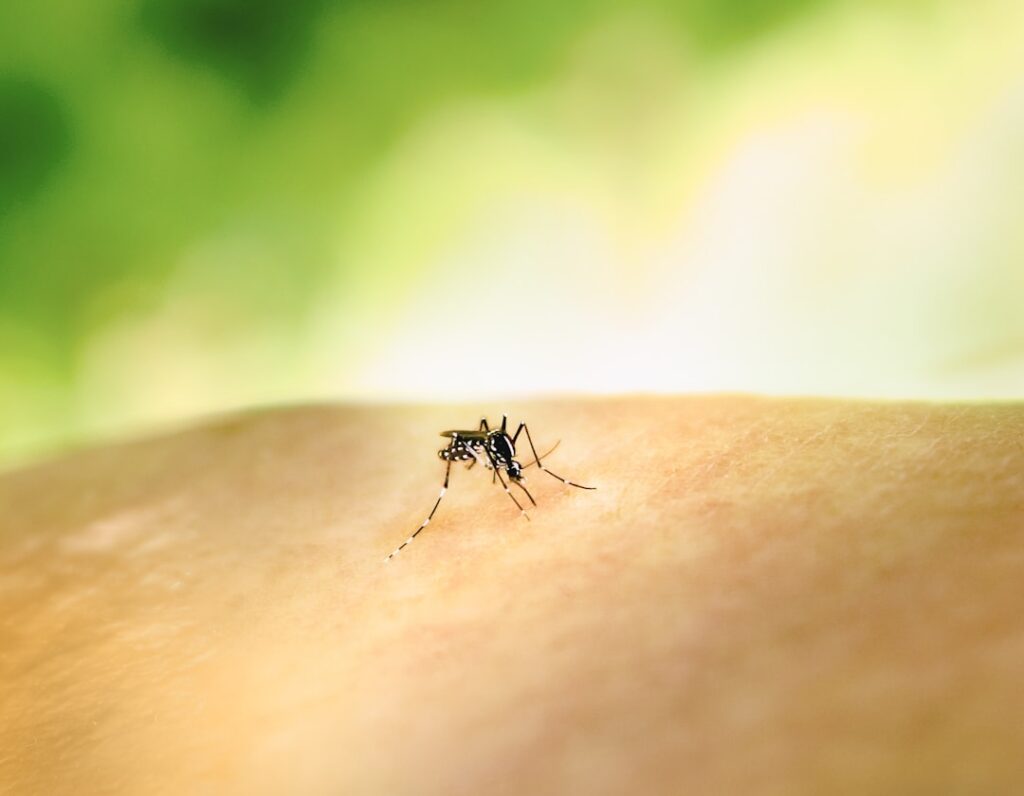
Mali has counted 21 deaths and 600 cases of dengue fever, its top health official said, in an outbreak that lands on a country already stretched by extremist violence and political upheaval.
Dr. Cheick Amadou Tidiane Traore, the director general of health and public hygiene, gave the figures to The Associated Press in an interview on Wednesday. They were tallied as of Monday. The government has not published any numbers on the disease, and it has not said whether it has asked the World Health Organization (WHO) for help.
Traore pointed to the neighbors. “Dengue fever is also present in Burkina Faso and Senegal, and we need to raise public awareness,” he said.
A new threat on top of old ones
Mali is in a political transition and faces fighters linked to al-Qaida and the Islamic State group. A dengue epidemic could make conditions worse, especially for the large population of displaced people.
Dengue is a viral infection spread by mosquitoes. It mostly causes flu-like illness, but severe cases can bring joint pain, swollen glands, bleeding and death. No specific treatment exists. The WHO has recommended two vaccines for countries that face regular outbreaks.
The virus usually turns up in more tropical settings. Mali is comparatively arid, and dengue was first detected there in 2008. Reports came back in 2017 and 2019, though little long-term data exists on how widespread it is.
A regional pattern
Mali sits in the Sahel, the vast region south of the Sahara, and it is not the only country there to face the disease. In August, Chad reported its first-ever dengue outbreak, with dozens of confirmed cases.
Elsewhere this year, the WHO has reported record dengue numbers in Bangladesh, with more than 300,000 cases, and in the Americas, with four million infections.
Sources
- Dengue Fever Is on Rise in Mali With More Than 20 Deaths, Health Director Says
- TRT Afrika – Deaths as Mali grapples with rise of dengue fever




