LONDON, November 27, 2026 — National Savings & Investments has raised rates across its British Savings Bonds for the sixth time this year, pushing the five-year fixed term to 5.35% AER. The move lifts every bond in the range above the 5% threshold and coincides with the Bank of England’s first base rate hike in three years.
The Mechanics of the Rate Rise
The increases took effect on November 26. The one-year bond now pays 5.21% AER, up from 4.99%; the two-year rises to 5.25% from 5.07%; the three-year moves to 5.27% from 5.10%. The five-year bond, the longest maturity on offer, climbs 18 basis points to 5.35% from 5.17%. A new three-year Green Savings Bond launches at 5.15% AER, a significant jump from the previous 4.73% issue. Andrew Westhead, NS&I retail director, stated the increases “reflect changes in the wider savings market.”
Follow the Money: Gilt Yields and the BoE
The mechanics here are straightforward. NS&I is a government financing arm; its pricing tracks the cost of sovereign borrowing. Earlier in November, the Bank of England raised the base rate by 0.25 percentage points to 4.00%, the first increase since 2023. Governor Andrew Bailey linked the move explicitly to inflation pressures stemming from the Iran war. Gilt yields have risen in tandem, raising the government’s marginal cost of funding. NS&I’s retail bonds are a substitute for wholesale issuance. When market rates climb, NS&I must follow or risk a funding shortfall. The Monetary Policy Committee meets again on December 17.
The Catch Is the Funding Target
NS&I operates under a net financing target set by the Treasury. It must attract enough retail cash to plug a designated hole in the government’s borrowing requirement, but it is instructed not to distort the wider market by offering rates that crowd out private banks. This tension explains why NS&I rates “rarely lead the market,” as the product terms acknowledge. Rachel Springall of Moneyfacts notes the one-year and five-year Growth Bonds now rank within the top 10 best fixed bonds available. Sarah Coles of AJ Bell described NS&I as “working unusually hard to stay within shouting distance” of market leaders, adding that the provider “can’t afford to be left too far behind if it’s going to hit its fundraising target.”
Tax and Access: The Detail That Matters
The bonds carry a 100% HM Treasury guarantee on deposits up to £1 million. The minimum investment is £500. The catch is liquidity: no early withdrawals and no additional deposits are permitted during the fixed term. Interest on Guaranteed Growth Bonds is paid annually; Guaranteed Income Bonds pay monthly, offering a cash-flow option for retirees. Expatriate investors face a different regime: the interest is typically paid gross but remains taxable in the country of residence, and the UK Treasury guarantee may not carry the same regulatory weight abroad.
Green Label, Market Rate
The new three-year Green Savings Bond at 5.15% AER is now the leading rate among “green” labelled three-year fixed bonds, according to Moneyfacts. The proceeds are earmarked for government-selected environmental projects. The premium over conventional three-year bonds is effectively zero — the standard three-year British Savings Bond pays 5.27% — meaning the “green” label carries no yield sacrifice, but also no premium. Savers allocating capital solely for the label should note that other providers offer green bonds across shorter and longer maturities.
What Comes Next
The sixth rate rise in 2026 signals that NS&I’s financing target is running ahead of inflow expectations, or that the Treasury’s wholesale borrowing costs have risen faster than modelled. The Bank of England’s December 17 meeting is the next pivot point. If the MPC hikes again, a seventh NS&I adjustment before year-end becomes probable.
Sources
- NS&I raises British Savings Bond rates to 5.35% — National Savings And Investment – El-Balad.com
- The Persistence of Global Imbalances | Econofact
- NS&I launches 5.35pc savings bond
- Earn Up To 5.35% AER With NSandI’s British Savings Bonds
- 20 Million Yen in Savings Puts You in the Top 20% of High Achievers! The "Three-Bucket Strategy" to Completely Eliminate the Fear of Depletion|いつもありがとう@感謝です!!
- Why Nairobi Securities Exchange wants Kenyan SACCOs to rethink how they invest members’ money
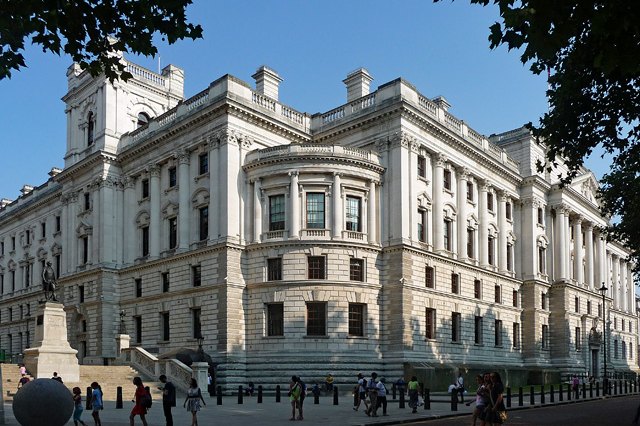
Photo: Stephen Richards (CC BY-SA 2.0)