
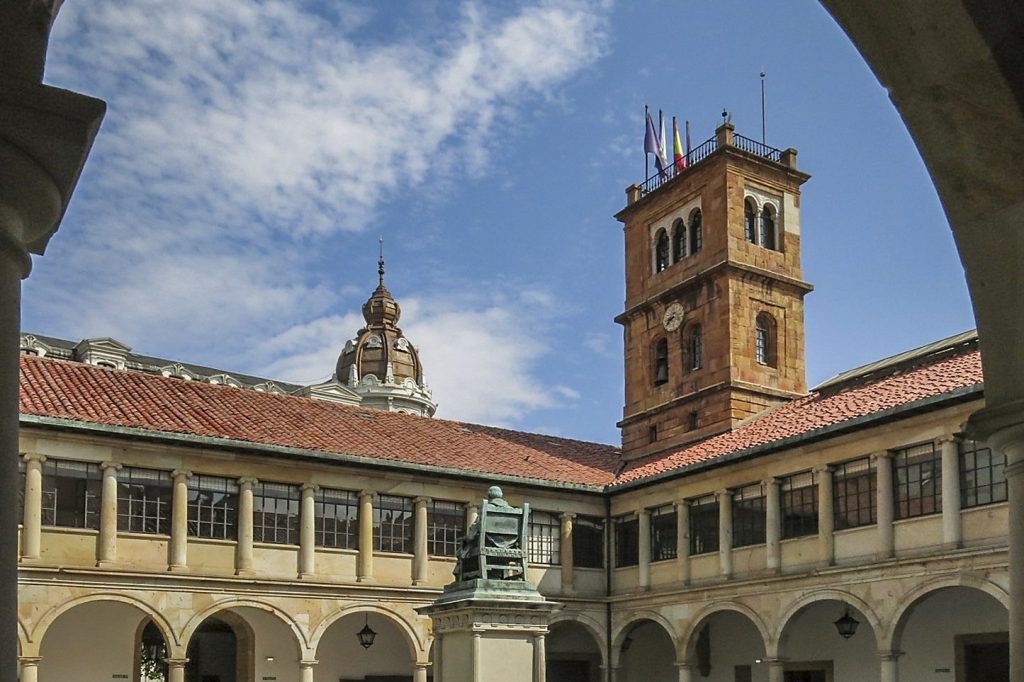
A dozen cellular and molecular mechanisms now form the scientific framework for understanding why humans age, a structure that began taking shape more than a decade ago from the work of a Spanish biochemist. Dr. Carlos López-Otín, a professor at the University of Oviedo in Spain, first gained widespread recognition in 2013 when he co-authored the landmark paper “The Hallmarks of Aging” in the journal Cell. That review, cited over 10,000 times, identified nine distinct hallmarks of aging.
In 2023, he co-authored an updated review that added three new hallmarks, expanding the framework to twelve key mechanisms. López-Otín was born in 1958 in Oviedo, Spain.
He earned his PhD in biochemistry from the University of Oviedo in 1986, then completed postdoctoral work at the University of California, San Francisco. His research has long centered on proteases and their dual roles in cancer and aging. Over the course of his career, he has published over 300 scientific articles.
A Structured View of Aging’s Molecular Roots
What is at stake in this line of inquiry is nothing less than a systematic understanding of why we age at the molecular level. The hallmarks framework, first laid out in 2013 and refined a decade later, provides researchers with a structured checklist: genomic instability, telomere attrition, epigenetic alterations, loss of proteostasis, deregulated nutrient sensing, mitochondrial dysfunction, cellular senescence, stem cell exhaustion, and altered intercellular communication. The three hallmarks added in 2023 — disabled macroautophagy, chronic inflammation, and dysbiosis — reflect how the field has matured.
Studies of aging as a biological process gained momentum in the late 20th century as researchers sought to explain why cells and organisms deteriorate over time. Early work often focused on isolated mechanisms, but the field lacked a unifying structure to connect these observations into a coherent picture of aging.
López-Otín’s framework gave scientists a shared language to classify and study the complex processes behind aging, influencing how researchers approach age-related diseases, from cancer to neurodegeneration, by highlighting the overlapping pathways that drive these conditions.
Recognition and Global Reach
In the corridors of aging research, the López-Otín hallmarks are now a standard reference point, used by laboratories from Europe to North America to design experiments and test interventions. Spain has taken note of his contributions.
López-Otín received the National Research Award of Spain in 2014 and the Rey Jaime I Award in 2016. In 2021, he co-authored the book The Hallmarks of Aging: From Basic Research to Clinical Applications, a volume that seeks to bridge the gap between fundamental biology and potential therapies. The wider picture is one of a field moving from description toward intervention.
With more than a decade of hallmarks research now in place, the question is no longer simply what goes wrong in aging cells, but which of those failures can be slowed, stopped, or reversed. The growing interest in longevity and age-related medicine means his work now shapes both laboratory research and the broader conversation about extending healthy human lifespans.
Consult your doctor for medical advice.
From Description to Intervention
López-Otín’s framework has given researchers a common vocabulary to classify the molecular drivers of aging. This has allowed laboratories worldwide to design experiments targeting specific hallmarks, whether it be telomere attrition or mitochondrial dysfunction, and to test interventions that might delay or reverse age-related decline.
The three hallmarks added in 2023 — disabled macroautophagy, chronic inflammation, and dysbiosis — highlight the field’s maturation, incorporating processes that connect aging to immune function and the gut microbiome. The implications extend beyond basic research. By providing a structured approach, the hallmarks help scientists identify overlapping pathways that contribute to age-related diseases such as cancer, neurodegeneration, and metabolic disorders. As the global population ages, the demand for interventions that extend healthy lifespan continues to grow, placing López-Otín’s contributions at the center of a rapidly expanding field of biomedical inquiry.




