
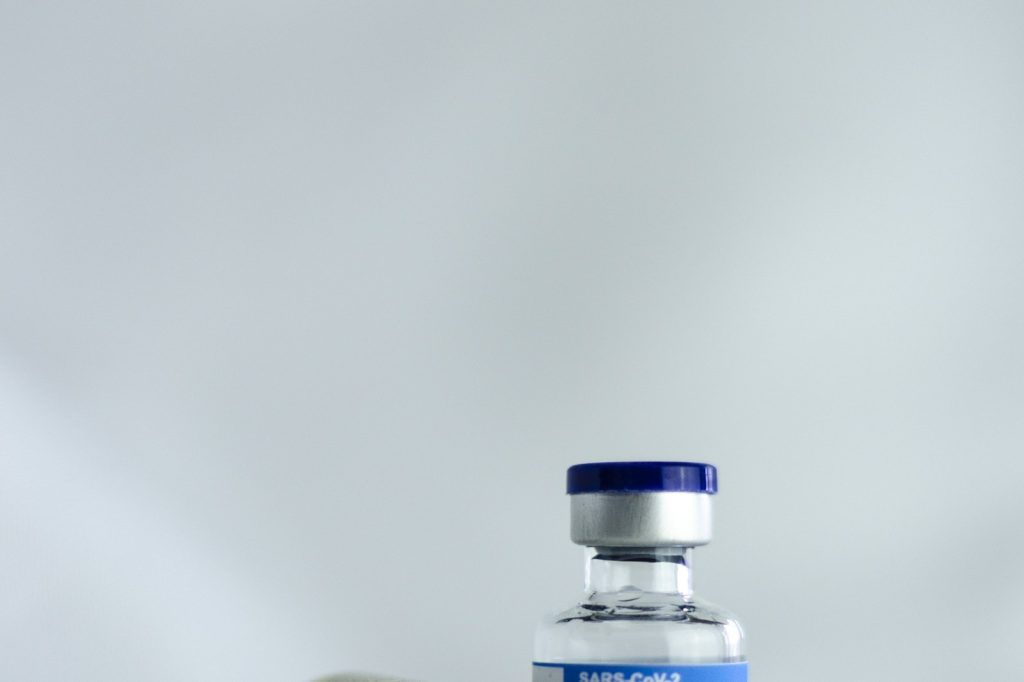
In 1958, measles struck 763,094 people in the United States and killed 552 of them. Once a vaccine was in wide use, the yearly count fell to fewer than 150 cases, with a median of 56.
That drop is the plainest case for what vaccines do. They teach the body to recognize a germ without making the person sick first.
How the training works
The first time a pathogen enters the body, the immune system has to work out what it is facing. A B-cell that fits the invader, as Cleveland Clinic puts it, “like a lock and key,” makes antibodies that grab onto it. During that first fight, a person can get very sick.
Afterward, memory cells stay behind. They keep what the clinic calls a wanted poster of the invader, so a second encounter brings a much faster flood of antibodies. A vaccine aims to set off the first response and build those memory cells, minus the illness.
Makers get there in several ways. Live-attenuated vaccines use a weakened form of the whole germ, and they produce the strongest response of any type; one or two doses can protect for life. People with weakened immune systems should ask a doctor first. Inactivated vaccines use dead germs and are safe for them, though the protection is weaker and boosters may be needed. Subunit vaccines use only a piece of the pathogen. Toxoid vaccines, such as those for tetanus and diphtheria, target a toxin that bacteria produce.
Newer mRNA vaccines carry instructions that let the body’s own cells make a harmless piece of the virus. The mRNA breaks down within a few days. Because scientists can build these for a new pathogen fairly quickly, Cleveland Clinic says, that is how the COVID-19 vaccines were made so fast.
What it has bought
Vaccination ended smallpox, the only human disease so far declared eradicated. The measles vaccine is estimated to prevent a million deaths every year. Polio, which passes only between people, is now endemic in parts of just three countries: Afghanistan, Nigeria and Pakistan. Hard-to-reach children, cultural misunderstandings and disinformation have pushed back the target date for eradication several times.
Herd immunity explains much of the gain. When most people are vaccinated, an outbreak struggles to start and struggles more to spread, which shields infants and people who cannot be vaccinated.
The World Health Organization reports licensed vaccines for 25 preventable infections.
Limits and side effects
Vaccines do not work for everyone. Roughly 2 to 10 percent of people do not respond adequately, because of genetics, age, health or nutrition. Older people often respond less strongly, so adjuvants are added to some vaccines to boost the reaction. Protection can also be partial or fade over time, though even then it can lessen the illness.
Side effects are usually mild: fever, soreness at the injection site, muscle aches. Severe reactions are extremely rare. At least 19 countries run no-fault compensation programs for people who suffer them. Cleveland Clinic notes that thousands of volunteers receive a vaccine before it is released, and that studies have found no link between vaccines and autism. The small late-1990s study that suggested one has since been discredited.
Consult your doctor for medical advice.




