
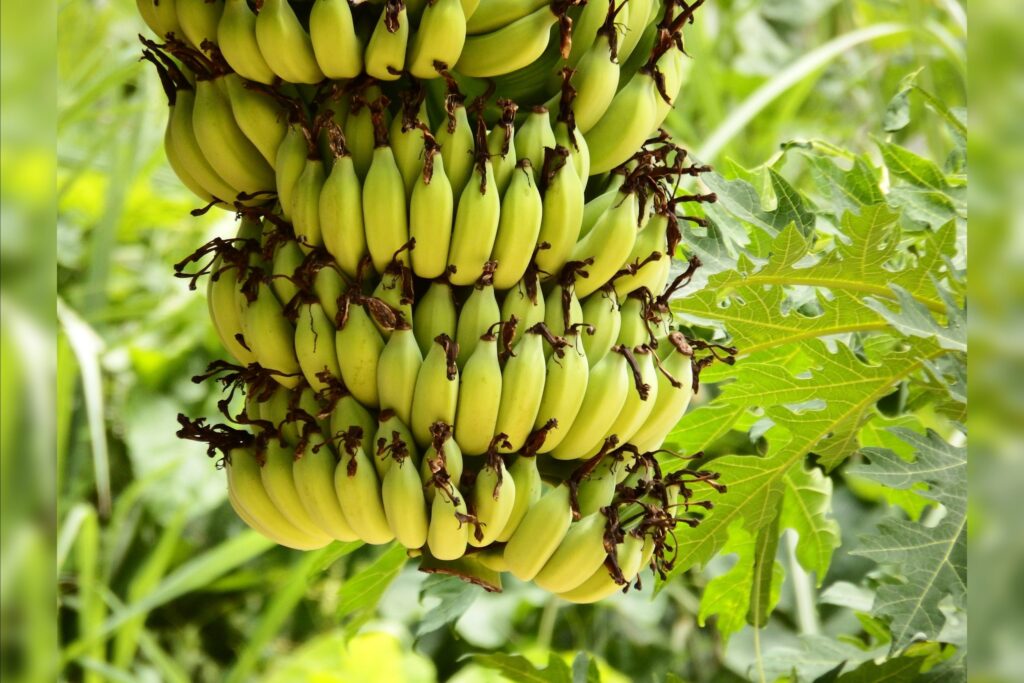
A green banana is an annoyance in most kitchens. It sits there, firm and faintly bitter, while everyone waits for it to turn yellow. Nutrition specialists say it may deserve better.
The difference is resistant starch. Lauren Manaker, a registered dietitian in South Carolina, told Fox News Digital that greener bananas carry more of this carbohydrate, which behaves much like fibre and is digested slowly. As the fruit ripens, she said, much of it turns into natural sugar. That explains why a spotted banana tastes sweeter, feels softer and sits more gently on many stomachs. A greener one is less sweet and may be gentler on blood sugar.
What resistant starch does
Resistant starches are chains of glucose that withstand digestion in the small intestine. They reach the colon whole, and gut microbes ferment them there, producing short-chain fatty acids, butyrate among them. That makes them prebiotics. They resemble fibre in several ways, but fibre is built from plant cell-wall material such as cellulose, pectins and gums, not glucose.
Research summarised in a separate explainer points to a few benefits:
- Some studies show better insulin sensitivity.
- Resistant starch at breakfast has steadied blood sugar after a later meal that contained none of it.
- Butyrate supports colon health and may help keep inflammation in check.
Raw potato starch, lentils, beans, oats and barley are other sources, with under-ripe bananas on the list. Green bananas and raw potatoes hold the kind that occurs naturally in raw foods.
Why some bananas stay green
Not every green banana is simply early. Jonathan Crane, a retired University of Florida tropical fruit crops specialist, said fruit harvested immature “won’t ripen properly to full flavor and/or texture.” A sharp angle to the fruit’s shape is one sign of immaturity; mature bananas look smoothed out and rounded.
Cold can do the damage as well. Crane noted that bananas exposed to low temperatures in storage or transport can suffer chilling injury, which leaves them green or greenish-yellow long after they should have turned. His advised storage range is 56 to 59 degrees Fahrenheit.
Neither colour wins outright
Both stages supply potassium, vitamin B6 and vitamin C. Manaker said the better choice “depends on you.” A person watching blood sugar or wanting more resistant starch could reach for the greener fruit. A person who wants sweetness and an easy time digesting could take the ripe one. Her advice was to look at the whole day’s food rather than the colour of one fruit.
Sources
- Green bananas aren't necessarily bad — experts explain the hidden health perk
- What Are Resistant Starches? Meet The Blood Sugar-Friendly Carb




