
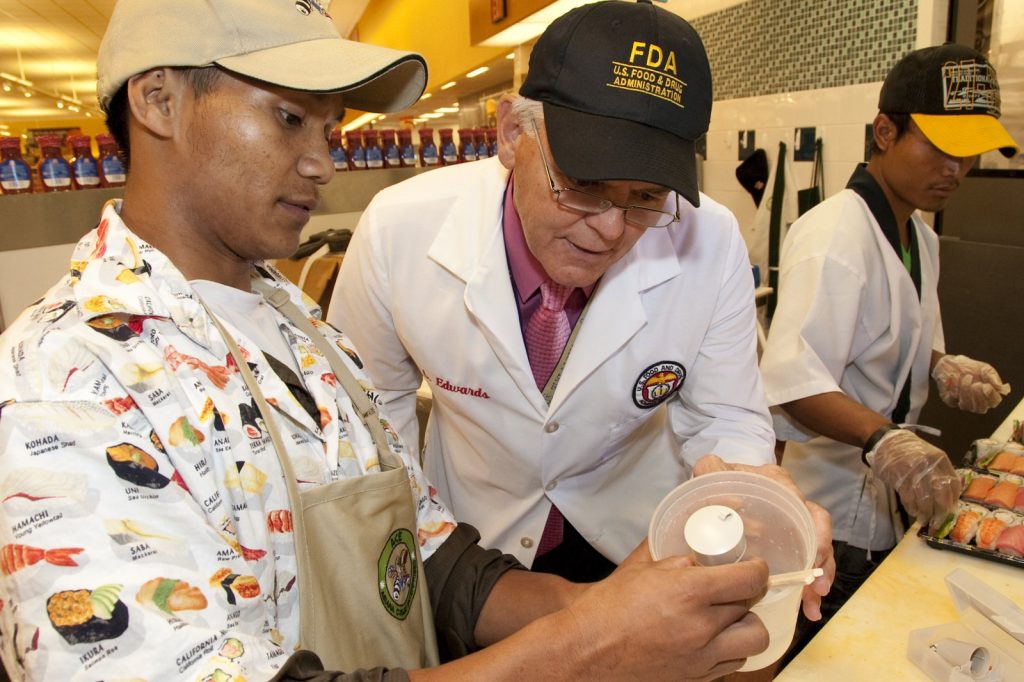
President Barack Obama signed the Food Safety Modernization Act (FSMA) on January 4, 2011. It was the first major federal food safety legislation since 1938, and it gave the Food and Drug Administration a power the agency had wanted for years: mandatory recall authority.
The trigger was a run of foodborne illness incidents in the first decade of the 2000s. Spinach, peanut products and eggs were among the high-profile cases. The U.S. Centers for Disease Control and Prevention estimated in 2011 that foodborne disease sickens 48 million Americans a year, one in six. About 128,000 are hospitalized and 3,000 die.
The Grocery Manufacturers Association had a hand in drafting the bill, which is less sinister than it sounds. Tainted food had cost the industry billions of dollars in recalls, lost sales and legal expenses.
From reacting to preventing
The technical reality, as ever, is that the old system waited for something to go wrong. The FSMA moves the FDA toward prevention. For the first time the agency can require preventive controls across the food supply, pet food and animal feed included. Facilities must keep a written Hazard Analysis and Risk-based Preventive Controls plan, which means identifying hazards, setting controls, monitoring them, keeping records and spelling out corrective action.
It was also the first law to address intentional adulteration and food defense. Before that, the FDA worked from 1998 industry guidance on fresh fruits and vegetables, issued in response to President Clinton’s 1997 safety initiative. The resulting Good Agricultural Practices and Good Handling Practices became de facto industry requirements, but nobody could enforce them.
The law ordered more than a dozen rulemakings and at least 10 guidance documents. It also tightened imports. Over 14 percent of the U.S. food supply is imported, and about 30 percent of the population is considered at risk of foodborne illness.
Inspections and the fine print
Inspection schedules are now set by risk. High-risk domestic facilities were to be inspected within five years of enactment and at least every three years after that. In the first year the FDA was to inspect at least 600 foreign facilities, then double that number each year for five years.
Food producers and importers pay a $500 annual registration fee. About 360,000 facilities fall under it. The Congressional Budget Office reported that the fees would not cover the cost, leaving the FDA with a net cost of $2.2 billion over five years.
Critics found gaps. Food safety advocate Bill Marler noted that farms, restaurants and nonprofit food establishments serving consumers directly are exempt. Senators Jon Tester and Kay Hagan sponsored amendments that kept small local operations under state and local rules, including those that sell less than $500,000 a year and sell most of their products directly to consumers in the same state or within 400 miles. Consult your doctor for medical advice.




