
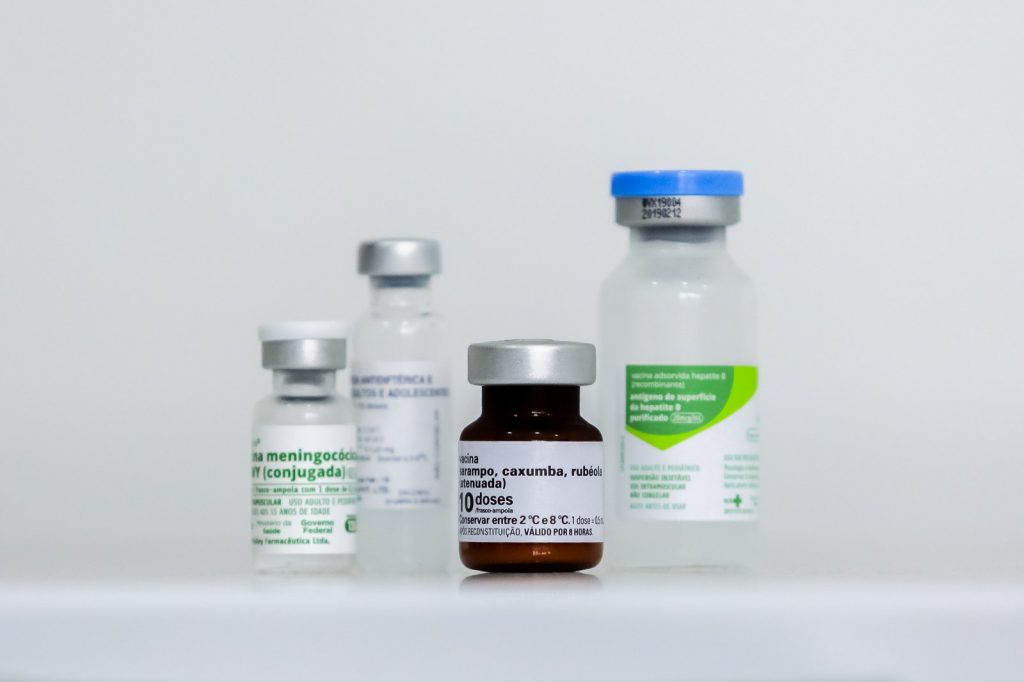
In 2001, 94 percent of U.S. parents said it was “very” or “extremely important” for their children to get vaccinated. By 2024 the figure was 69 percent. An analysis from American Progress points to that slide as a sign that many parents now take vaccines for granted.
The record they are taking for granted is a strong one. A 2024 study in The Lancet estimated that vaccines have saved 154 million lives worldwide since 1974, about six every minute. Ninety-five percent of those saved were children under 5. Researchers estimate that routine vaccination of the roughly 117 million children born in the United States between 1994 and 2023 will prevent more than 508 million illnesses, 32 million hospitalizations and 1 million deaths over their lifetimes.
What the old numbers looked like
Before the polio vaccine arrived in the 1950s, thousands of American children died of the disease every year. The 1953 epidemic, the largest, brought 58,000 cases and 3,100 deaths. Before measles vaccination spread in the 1960s, 3 million to 4 million Americans caught measles each year, 48,000 were hospitalized and 400 to 500 died.
In the 1980s, Haemophilus influenzae type b, or Hib, severely infected about 20,000 children under 5 each year, and about 1,000 died. After a vaccine arrived in the mid-1980s, annual Hib cases dropped to 29 by 2006.
Coverage is slipping
Measles needs 95 percent of a population vaccinated to stop community spread. Kindergarten coverage for the measles, mumps and rubella (MMR) shot has been under that line since the 2019-20 school year. In 2023-24, 39 states fell short, up from 28 in 2019-20. Across all state-required vaccines, fewer than 93 percent of kindergartners were up to date in 2023-24, compared with 95 percent four years earlier.
Outbreaks followed. The CDC counted 16 measles outbreaks in 2024 as of December 20, defined as three or more related cases, against four in 2023. As many as 40 percent of the 2024 cases were severe enough to need hospital care.
Nonmedical exemptions, based on religious or personal belief, are allowed in most states. A 1999 study of children aged 5 to 19 found those with exemptions were 35 times more likely to catch measles from 1985 to 1992. Another set of findings put exemptors at 22.2 times the measles risk and 5.9 times the pertussis risk of vaccinated children.
Some states tightened the rules, and the results show in the numbers. California ended nonmedical exemptions in 2016 after a measles outbreak in 2014-2015, and its MMR rate rose 3.3 percentage points, back above the herd immunity level. Maine ended personal and religious exemptions in 2019. The share of kindergartners with any exemption fell from 4.6 percent in 2019-20 to 1.3 percent in 2021-22, and in April 2024 Maine’s health agency announced that more than 95 percent of school-age children had all required vaccines.
Weighing the risks
The analysis lays blame on misinformation spread on social media and by public figures. It says that for every 10,000 people who get measles, 10 to 30 children will die and 2,000 people will be hospitalized. For every 10,000 who get the MMR vaccine, fewer than four will have a fever-related seizure, abnormal blood clotting or an allergic reaction. Its authors add that the lifetime risk of being killed by lightning in the United States is about four times the risk of an allergic reaction to the MMR shot.
Consult your doctor for medical advice.




