
More than 6,000 uniformed health professionals serve in the U.S. Public Health Service Commissioned Corps, one of the eight uniformed services of the United States. The others are the Army, Marine Corps, Navy, Air Force, Space Force, Coast Guard and the NOAA Commissioned Officer Corps. The corps’ mission is to protect, promote and advance the health and safety of the public.
Its officers wear uniforms modeled on the Navy’s and the Coast Guard’s, with their own insignia, and hold naval ranks. They are classified as noncombatants unless the president directs them to serve as part of the military or they are detailed to a military branch.
Only one other service, the NOAA corps, is made up entirely of commissioned officers. The Public Health Service has no enlisted ranks. Warrant officers are authorized, though the service has none. Most officers come in through the corps’ direct commissioning program.
Who is in charge
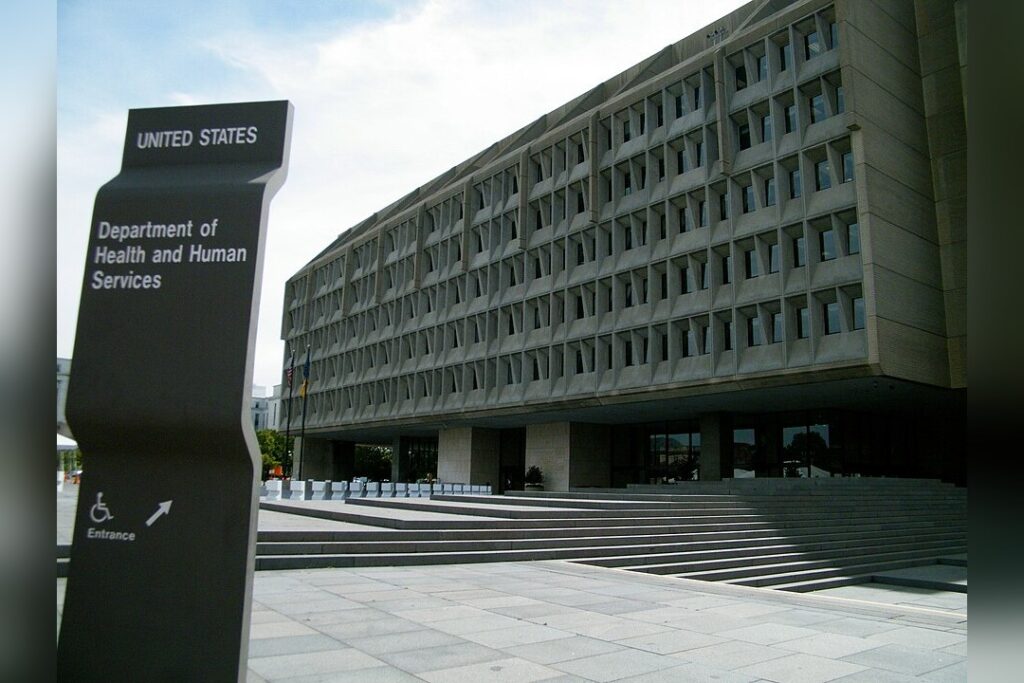
The corps sits under the Department of Health and Human Services. The surgeon general leads it and holds the rank of vice admiral (O-9). The surgeon general reports to the HHS assistant secretary for health, who can hold the rank of admiral (O-10) if that person is also a serving uniformed officer of the corps.
A seamen’s hospital fund to a national service
The roots go back to 1798, when Congress, under President John Adams, authorized hospitals for sick and disabled seamen through the Act for the Relief of Sick and Disabled Seamen. In 1871 the loose network was reorganized into a centrally run Marine Hospital Service, headquartered in Washington. John Maynard Woodworth, a Union Army surgeon, was appointed its first supervising surgeon that year. The title later became surgeon general.
Woodworth put his physicians in uniform, set exams for applicants and built a mobile corps that could be sent where needed. He is credited with the formal creation of the commissioned corps. President Grover Cleveland signed the 1889 act that established it. The service took the name Public Health Service in 1912.
At first only physicians could join. Over the 20th century the corps grew to 11 career fields, among them veterinarians, dentists, occupational and physical therapists, engineers, pharmacists, nurses, environmental health specialists, scientists and dietitians.
Deployments and duty stations
As of 2019, the Indian Health Service had more corps officers than any other agency, followed by the Food and Drug Administration and then the Centers for Disease Control and Prevention. Officers also staff other services. The Coast Guard’s chief medical officer is a rear admiral in the corps.
Officers deploy for disasters, disease outbreaks and other emergencies, and they must be ready to go within 48 hours of receiving orders. A Rapid Deployment Force team has more than 100 officers from multiple specialties and focuses on acute clinical care.
The corps was heavily militarized during World War II and the Korean War. In 2004, Surgeon General Richard Carmona made uniforms compulsory whenever officers are on duty. An earlier push came in 1987, when Surgeon General C. Everett Koop advocated for consistent wear.
Sources
- United States Public Health Service Commissioned Corps – Wikipedia
- United States Public Health Service – Wikipedia
- United States Public Health Service




