
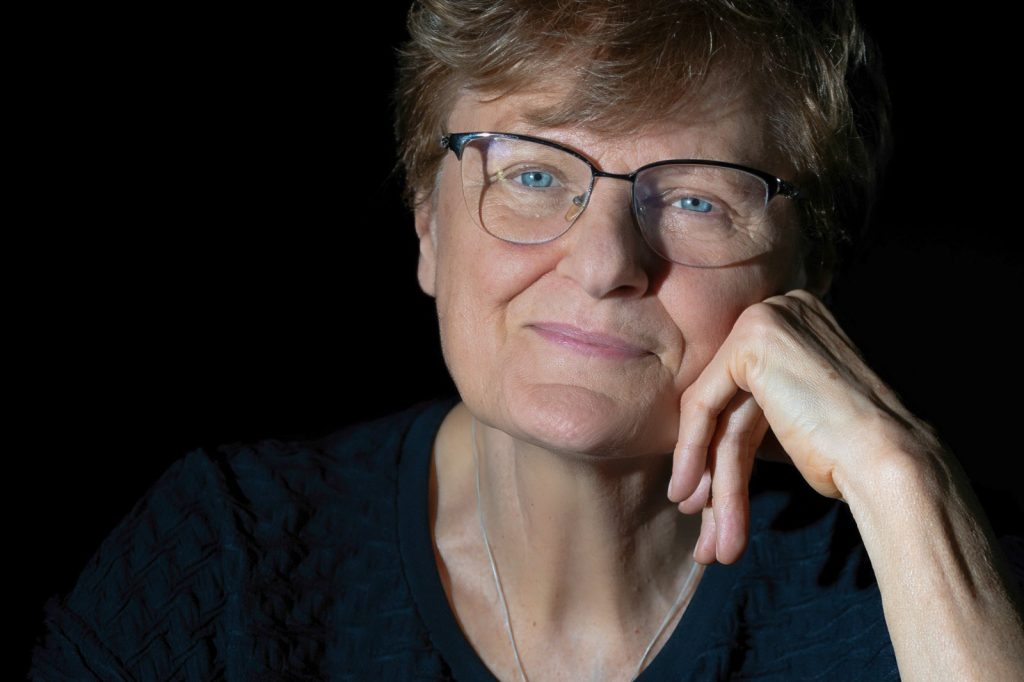
In the 1990s, Katalin Karikó spent a good part of her working life being told no. Funders turned down her proposals again and again. Colleagues at the University of Pennsylvania offered little institutional support. She kept at it anyway, and she photocopied journal articles by the stack, because many were not yet online.
That is where the story of the COVID-19 vaccines really starts: with a researcher who would not drop an idea most people thought was a dead end.
Why it took so long
The appeal of messenger RNA was clear early. In principle it could turn a person’s own cells into factories for any protein wanted, whether a missing one or a piece of a germ. But for decades, according to the Lasker Foundation, the promise stayed theoretical. Scientists could not make mRNA in a test tube until 1984. Delivery was the next wall. Enzymes in the body chew up RNA, and the molecule is too large and too negatively charged to slip through the oily membrane around a cell. Researchers began developing fatty packaging materials in the late 1970s, and in 1990 they got live rodents to make proteins from injected mRNA. Still, the field stalled. Few scientists wanted to take on the problems of instability and delivery.
The Nobel committee adds one more obstacle. Lab-made mRNA set off inflammation.
A shared photocopier
In 1997 immunologist Drew Weissman joined Penn and, as the Lasker account tells it, began competing with Karikó for the Xerox machine. As it whirred, they talked. Weissman wanted an HIV vaccine; Karikó could make the mRNA. When they put it into immature human immune cells called dendritic cells, the mRNA triggered a maturation signal all by itself. Weissman was delighted. Karikó worried, because inflammation could make mRNA therapies dangerous.
So they went looking for the cause. Bacterial RNA set the cells off strongly, mammalian RNA only mildly, and mammalian transfer RNA not at all. That last result was the clue. Transfer RNA is full of chemically modified building blocks, and lab-made mRNA has none. The pair built mRNAs with modified building blocks and tried them on the cells. The inflammatory response was almost abolished, the Nobel committee said. They published in 2005, fifteen years before the pandemic. Swapping uridine for pseudouridine worked especially well.
In 2008 they showed that pseudouridine-containing mRNA also boosted protein production in cells, and the immune effect carried over to mice, where it sharply reduced interferon-α, a cytokine marker of inflammation.
From the lab to the clinic
Interest picked up. By 2010 several companies were working on the method, with vaccines aimed at Zika virus and MERS-CoV. Then COVID-19 arrived, and two base-modified mRNA vaccines against the SARS-CoV-2 surface protein were built at record speed. Protection of around 95% was reported, and both were approved as early as December 2020. More than 13 billion COVID-19 vaccine doses of all kinds have been given worldwide, the Nobel committee noted, and the vaccines have saved millions of lives.
The Lasker Foundation honored Karikó and Weissman with its clinical award in 2021. On 2 October 2023 the Nobel committee gave them the Physiology or Medicine prize, and added that the same technology may in future be used to treat some types of cancer.
Sources
- Modified mRNA vaccines – Lasker Foundation
- Modified mRNA vaccines – Lasker Foundation
- Press release: The Nobel Prize in Physiology or Medicine 2023 – NobelPrize.org
- Press release: The Nobel Prize in Physiology or Medicine 2023 – NobelPrize.org




