
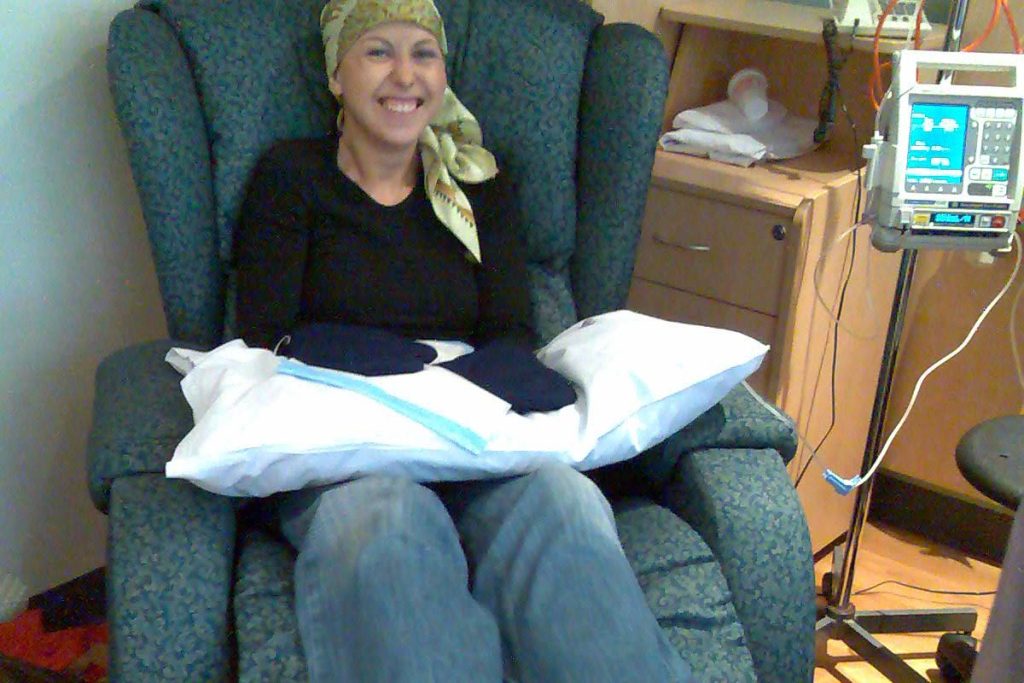
Over 60% of people given some form of immunotherapy go on to develop side effects, UT MD Anderson says. For some, the problems are bad enough that treatment has to be interrupted or stopped.
That runs against a popular assumption that these drugs are gentler than chemotherapy. Immunotherapy trains the immune system to go after cancer, and the most common class, immune checkpoint inhibitors, works by suppressing the “off switch” that normally stops T cells from attacking healthy tissue. The side effect is the obvious one: the immune system sometimes turns on the body itself.
What patients actually feel
“As with many cancer therapies, fatigue tends to be one of the most common,” said Van Morris, M.D., at MD Anderson. Beyond that, the drugs can inflame tissue almost anywhere. Skin may change colour, break out in a rash or simply itch. Inflamed lungs bring a cough or chest pain. An inflamed colon, or colitis, means abdominal pain and diarrhea. Rarer effects hit the endocrine system, including diabetes and hypophysitis, an inflamed pituitary gland.
The pituitary problem is hard to pin down. “It manifests in so many ways,” said Dr. Sumit Subudhi, and a patient may only notice fatigue, fever or a headache.
Mass General Brigham puts the commonly affected organs as the skin, the endocrine system and the gut. Kerry Reynolds, MD, an oncologist at its cancer institute, stressed that some patients have none of this, while others have one event in one organ or several events across several organs.
The heart, and the case for speaking up
Roughly one patient in 100 gets heart inflammation when checkpoint therapy is used, with serious complications and sometimes death. A Mass General Brigham team studied that complication and published in Nature. Alexandra-Chloe Villani, PhD, noted that roughly half of cancer patients are eligible for these therapies at some point, which turns a rare event into a large number of people.
Her advice is to report early symptoms. “Think of the inflammation as a bushfire,” she said: spotted early, it can be handled and even reversed; ignored, it becomes a blaze.
How doctors handle it
Most side effects show up in the first weeks or months, though on rare occasions they arrive months or years later. Mild ones, such as cough, rash or fatigue, are often tolerated well by people who have already been through chemotherapy. For severe cases, Morris said, “We’ll pause the immunotherapy and prescribe an immunosuppressant, such as an oral steroid.”
Choice of drug matters. Yinghong “Mimi” Wang, M.D., Ph.D., said PD-1 and PD-L1 blockers are safer for the gut than CTLA-4 drugs, because colitis returns less often with them. She added that doctors can usually get gut symptoms back to baseline within two to four weeks, and restarting checkpoint inhibitors after colitis is now standard care.
One more finding offers some comfort. Endocrinologist Priyanka Iyer, M.D., said thyroid dysfunction and colitis are both linked statistically to better survival and response. “Patients shouldn’t necessarily be discouraged if they develop this side effect.”
Sources
- Does immunotherapy have side effects? (UT MD Anderson)
- Researching Immunotherapy Side Effects to Improve Treatment (Mass General Brigham)




