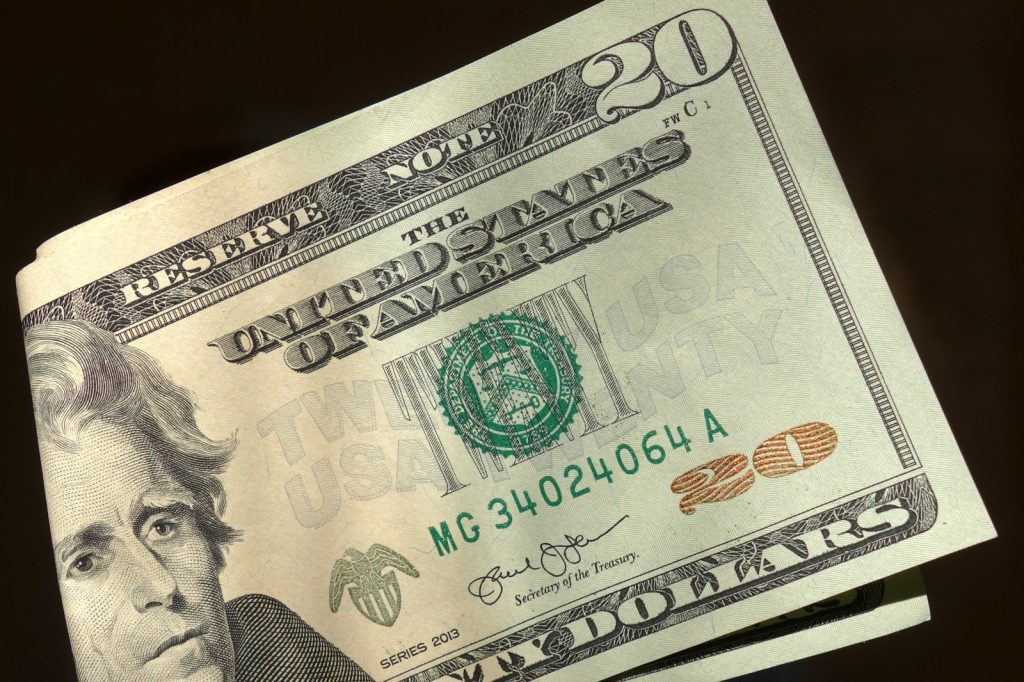
NEW YORK — The envelope system is making a comeback. Not as a retro novelty, but as a tool against leaky spending. One reader told InfoPulse Today that they use cash only for groceries, gas, and fun money.
When the envelope is empty, spending stops. No apps.
No algorithms. Just discipline. This runs counter to a financial culture that pushes earning more as the only answer.
The report, based on reader responses, shows something else. The common thread isn’t about higher income.
It’s about small, everyday choices that add up. That insight matters because household savings rates have been volatile in recent years. Many families feel the squeeze between rising costs and stagnant wages.
The envelope system offers a blunt fix: visible limits. Another reader described a trick that blends psychology with math. Automate your savings.
Set up a transfer the same day your paycheck hits. “You can’t spend what you don’t see,” they wrote.
The human side of saving, it turns out, often means removing temptation before it arrives. This is not complicated. It is a simple behavioral hack.
Yet many people never set it up. The report suggests that friction — the act of having to choose to save each time — is the real enemy.
Then there is the seasonal discount strategy. Buying winter coats in March. Patio furniture in September.
One savvy saver said they plan big purchases around holiday sales, not impulse. They keep a running list of what they need and wait for the right moment. This is patience as a financial tool.
It works because retail prices follow predictable cycles. The trick is knowing them and ignoring the urgency that marketers create.
What this means for families is simple. Small, consistent habits can build a cushion over time. One parent wrote about teaching kids to save using three jars.
One jar for spending. One for saving.
One for giving. The lesson sticks long after the coins are gone. That approach turns saving into a tangible act.
A child sees the jar fill. They see the jar empty when they spend. The abstraction of digital money disappears.
Behind the breakthrough in saving, though, is a deeper truth. Many readers aren’t just saving for a rainy day.
They are saving for freedom. The ability to say no to a job they hate. Yes to a trip with family.
Or just the peace of mind that comes from having a buffer. The report heard from people who save for vacations, for retirement, for their children’s education.
The amounts vary. The goal is universal: control over your own life. This context matters because the financial advice industry often sells complexity.
Budgeting apps. Investment strategies. Credit card churning.
The readers who responded chose the opposite. They chose envelopes.
They chose automated transfers. They chose waiting for sales. These are not sophisticated moves.
They are old. They are boring.
And they work. The report did not offer a grand solution to the national savings crisis. It did not pretend that an envelope fixes systemic inequality or stagnant wages.
What it did was collect real tactics from real people. Those tactics share a common DNA: remove the chance to make a bad decision. Make saving automatic.
Make spending painful again. That is the quiet revolution happening at kitchen tables across the country.
No fanfare. Just discipline.