Adding a personalized mRNA vaccine to the immunotherapy drug Keytruda cut the risk of melanoma returning, or of the patient dying, by 42 percent compared with Keytruda alone. Moderna and Merck, which developed the vaccine, released the late-stage trial result on Thursday.
The encouraging part is the size of the gap. Dr. Michael Postow, chief of the melanoma service at Memorial Sloan Kettering Cancer Center, told CNN the vaccine showed efficacy “we’ve never really seen before.” The full data are due at the European Society for Medical Oncology meeting in Madrid on Saturday. The companies released them early after reports that they had been posted online and then pulled.
What the trial tested
The trial enrolled 1,137 people with high-risk melanoma whose tumors had been surgically removed. Everyone received Keytruda, also known as pembrolizumab. Half also received the experimental vaccine, intismeran autogene, and the rest got a placebo. The vaccine went in as an intramuscular injection every three weeks for up to nine doses, while Keytruda was given by infusion every six weeks for up to about a year.
After a median of about two years, 82 percent of the vaccine group were alive without a recurrence, against 70 percent on Keytruda alone, according to Australian reports of the data. Moderna and Merck also reported a 38 percent lower risk of the cancer spreading elsewhere in the body, or of death.
How a tailor-made vaccine works
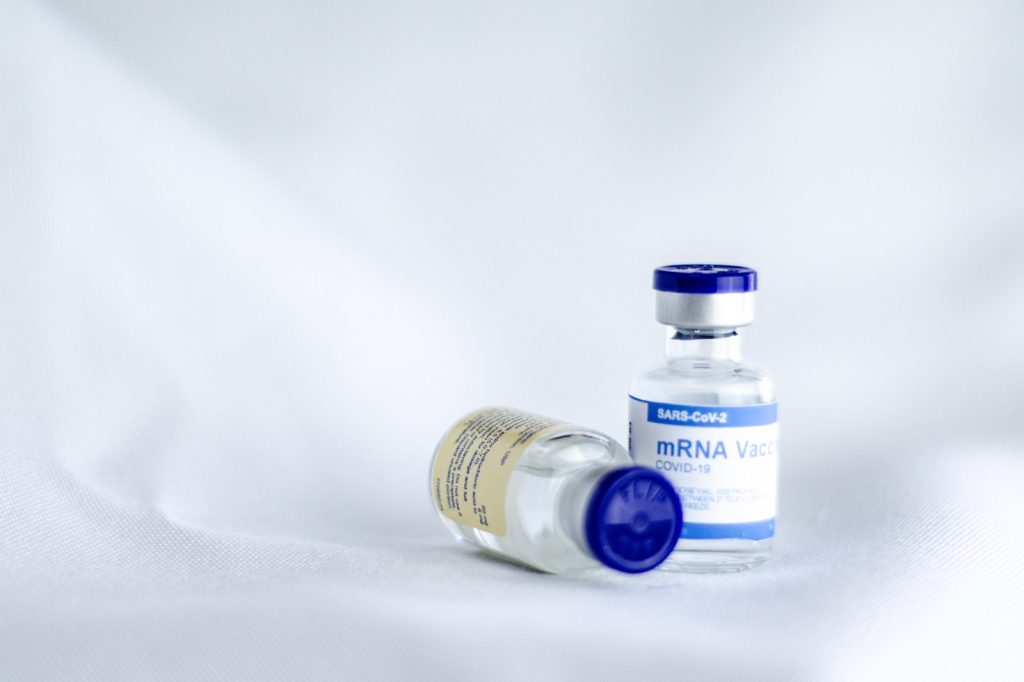
The vaccine uses the same mRNA technology as Moderna’s Covid-19 shot, but it points the immune system at cancer rather than a virus. Once surgeons remove a patient’s tumor, a sample is sequenced, and the vaccine is built around the markers most likely to provoke an immune response. Every dose is made for one person.
Postow described it as “a much more targeted immune boost directly against that patient’s individual tumor.” The need is real: after surgery for melanoma at this stage, he said, the disease has a high likelihood of coming back in lymph nodes, bones, liver, lung or brain, which is why patients are given drugs like Keytruda afterward.
A patient’s view
Beth Ryzyk, 59, was diagnosed with stage IIIC melanoma in December 2023. She still does not know whether she received the vaccine or the placebo, though she suspects the vaccine, since each treatment left her feeling “a little sick, just a little flu.” More than a year after finishing treatment, she is cancer-free. “Sometimes I even forget about it,” she told CNN. “It’s always in the back of your mind … but they’re watching.”
Professor Georgina Long of the Melanoma Institute Australia, who led the study, told The Sydney Morning Herald: “I’m not one prone to exaggeration, but this really is a very, very big leap forward in cancer.” Karen Knudsen, chief executive of the Parker Institute for Cancer Immunotherapy, called the results “really encouraging” and noted that a cancer vaccine like this was considered “fiction” a decade ago.
What is still unknown
Early findings suggest a benefit, but caution is warranted. Overall survival, meaning whether patients live longer, has not been reported. The companies say only that a favorable trend has been seen, and the trial continues. Analysts noted the result fell short of an earlier, smaller trial, and Moderna shares closed down 18 percent on Thursday.
The results have been accepted by the New England Journal of Medicine, and the companies say they are engaging with regulators, with the same approach being tested in lung and pancreatic cancers. Patients should talk to their doctor about how these options and clinical trials might fit their own care. For now, the vaccine remains experimental.
Sources
- Experimental mRNA vaccine cuts risk melanoma returns by 42% | CNN
- Here’s what Moderna’s latest mRNA cancer vaccine data actually show
- Australia helps develop world-first vaccine for melanoma
Photo: Spencerbdavis (CC BY 4.0)