Anyone who has spent months recovering from COVID-19 and still feels wrung out knows the question that comes next: what else is this doing to me? A study from Sweden now offers one answer. Adults with a physician-diagnosed case of long COVID who were never hospitalised had a 14 percent higher risk of developing new high blood pressure than adults without it (hazard ratio 1.14).
The gap showed up in both sexes. Women with long COVID had a 13 percent higher risk, and men a 15 percent higher one. Among those with long COVID, 16 percent of women and 24 percent of men developed hypertension during follow-up, and their cumulative incidence stayed above that of people without the condition throughout.
The researchers adjusted for socioeconomic factors, cardiometabolic conditions, mental health disorders and how much health care people used before the pandemic. The association held steady. So it is hard to wave away as a side effect of someone already being sicker or poorer to begin with.
Why the virus might reach the blood vessels
The researchers suggest that infection with SARS-CoV-2 may leave lasting changes in the blood vessels or the autonomic nervous system, which governs heart rate and blood pressure without any conscious effort. They stop short of proving it. Long COVID’s causes are still not understood, and the hypotheses on the table include lasting damage to organs and blood vessels, clotting problems, neurological dysfunction, persistent virus, reactivated latent viruses and autoimmunity. Some patients also develop dysautonomia, a malfunction of that same autonomic system, with palpitations and a racing heart after minor effort or on standing up.
What patients are living with
Long COVID is a group of health problems that persist or appear after the first infection. Fatigue, memory problems, shortness of breath and sleep disorders are the most commonly reported. Headaches, muscle weakness, fever, and the cognitive fog many patients describe can come along too. Symptoms often get worse after mental or physical effort, and they can fade and then return. They can last weeks, months or years.
The scale is large. As of 2025, long COVID is estimated to affect about 6 to 7 percent of adults, and more than 400 million people worldwide have experienced it. Higher age, female sex, asthma and a more severe first infection raise the odds, though anyone can develop it.
There is no validated treatment as of 2025, so care follows the symptoms: rest for fatigue, pacing for post-exertional malaise, and a team of specialists for people with severe illness or a history of intensive care. Most people who still have symptoms at four weeks recover by 12 weeks. Those still ill at 12 weeks recover more slowly, and for some the illness may be lifelong.
What the Swedish findings ask of patients and doctors
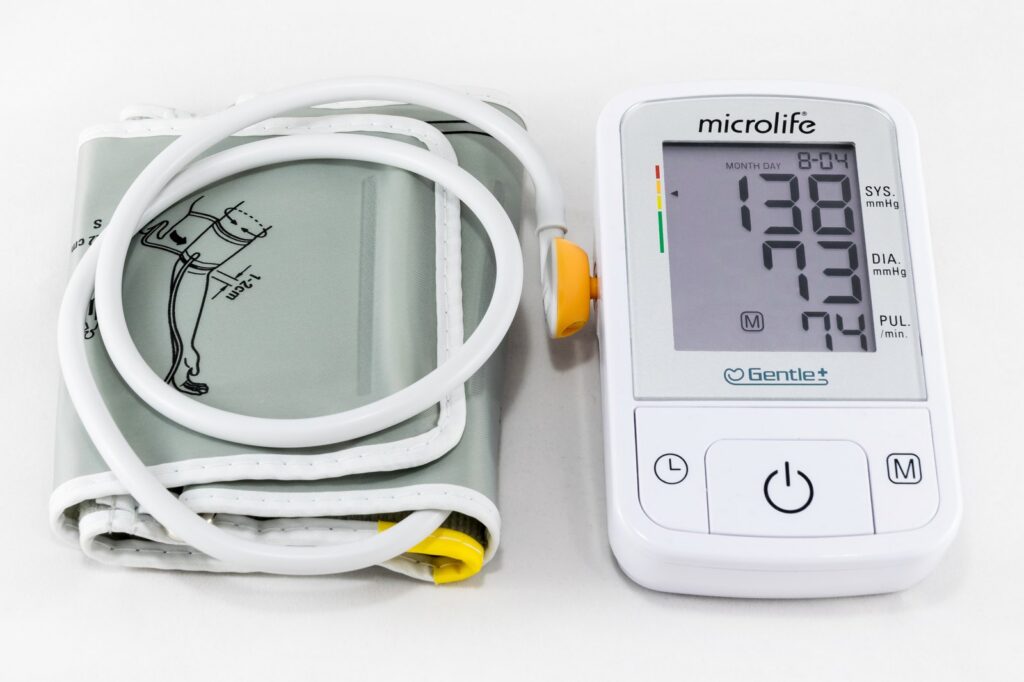
For people living with persistent post-COVID symptoms, the authors point to cardiovascular follow-up and regular blood pressure checks. High blood pressure rarely announces itself, so a number on a cuff may be the only way anyone finds out. The study does not say every patient will develop it. It says the odds are measurably higher, and that is reason enough for patients and their doctors to look.
Sources
- Long COVID Linked to 14 Percent Higher Risk of Developing Hypertension: Study
- Long COVID
- 'Nobody knows what to do': How Long COVID left Physics Girl searching for answers
Photo: Jacek Halicki (CC BY-SA 4.0)