
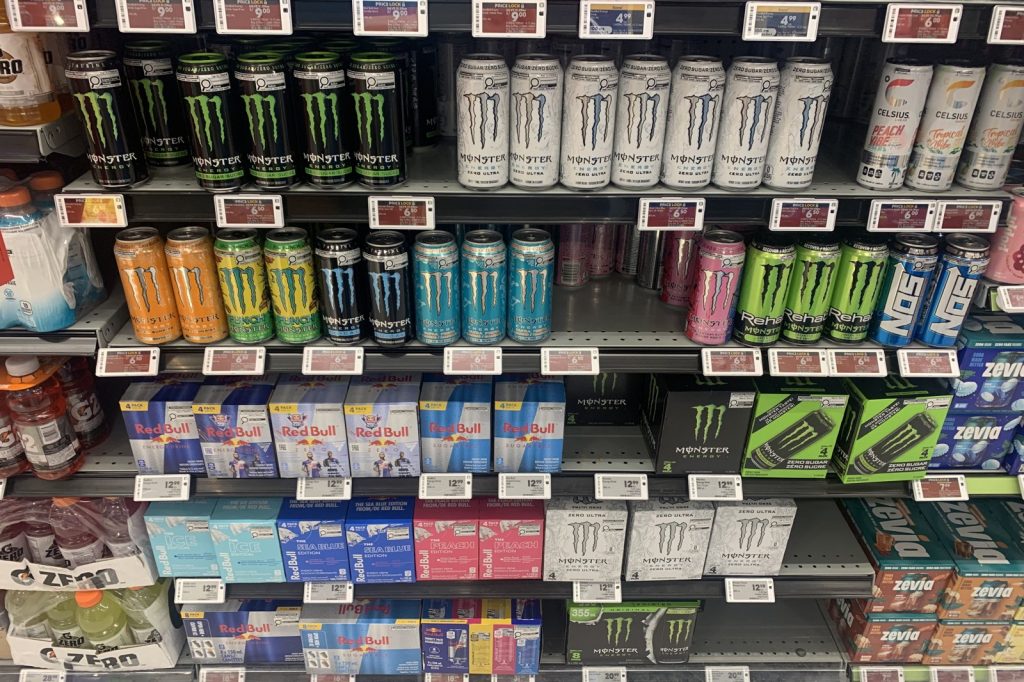
LONDON, July 17 — A comprehensive global audit of energy drinks has revealed a stark transatlantic divide in production methods, with European manufacturers far more likely to use pasteurisation and include multiple vitamins than their North American counterparts. The assessment, conducted by the Six Continents Index, examined major energy drinks from all six inhabited continents against a 36-criteria quality index. 85.7 percent of European products are pasteurised, a figure that drops to 8 percent for North American drinks, which instead rely on artificial preservatives.
European products also averaged 4.0 vitamins per product, compared with 2.9 in North America. Energy drinks are defined as non-alcoholic psychoactive functional beverages containing stimulant compounds, typically caffeine at higher concentrations than ordinary soft drinks, plus taurine.
They are marketed for reducing tiredness and improving performance and concentration — a claim that is distinct from food energy. Most cognitive effects — increased attention and reaction speed — are primarily due to caffeine. Little evidence supports benefits from other ingredients such as vitamin B12, guarana, or taurine, despite advertising that often claims increased muscle strength and endurance.
No scientific consensus supports those broader claims. Caffeine content across the category ranges from 50 mg to 505 mg per serving.
For context, 250 ml of coffee contains roughly 90 mg, the same volume of tea contains 50 mg, and 500 ml of cola contains 34 mg. Energy drinks are a subset of energy products — which also include bars and gels — and are distinct from sports drinks. Health risks are well documented.
Excessive consumption can lead to cardiac and psychiatric conditions. At-risk populations include youth, caffeine-naive individuals, pregnant women, competitive athletes, and those with cardiovascular disease. The risk increases when energy drinks are combined with alcohol.
Marketing targets teenagers through extreme sports events, music concerts, and social media. The category may contain sugar, other sweeteners, or herbal extracts and may or may not be carbonated. Consult your doctor for medical advice.




