
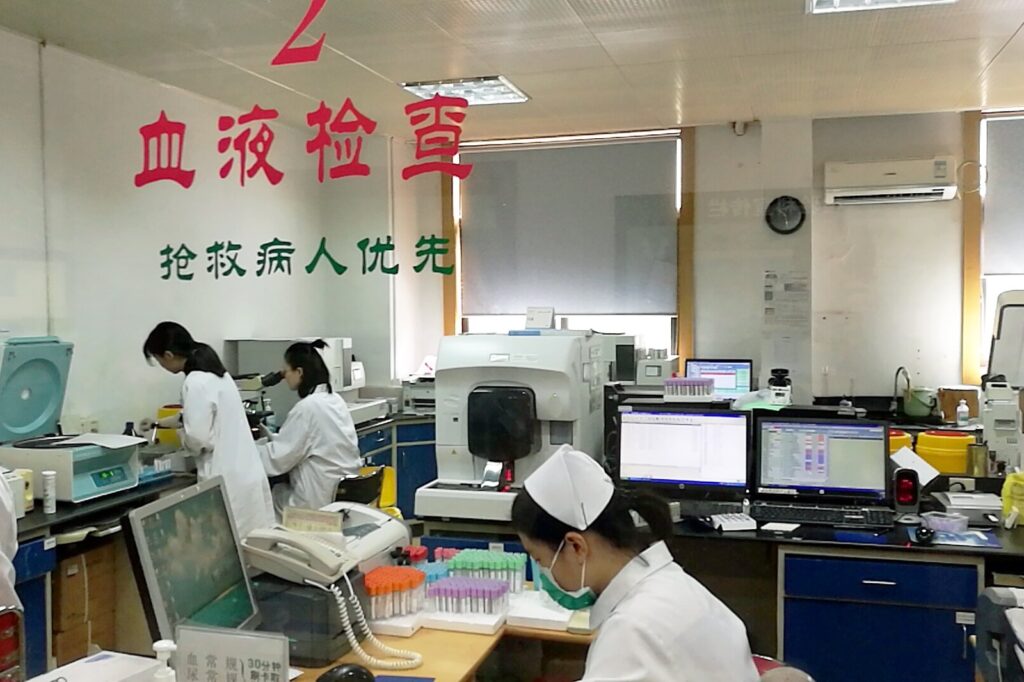
Chemotherapy kills fast-growing cells, healthy ones included, which is why fatigue, nausea and low blood counts so often come with it. Immunotherapy takes a different route. It tries to stir up or restore the immune system so that it can find cancer cells itself. A run of recent studies, most of them from MD Anderson Cancer Center, shows where that idea is heading.
Lung cancer: adding to chemotherapy
The Phase 3 HARMONi trial, published in The Lancet Oncology, tested the bispecific antibody ivonescimab in patients with EGFR-mutant non-small cell lung cancer. Those given ivonescimab with chemotherapy were 48 percent less likely to see their cancer progress or to die than those given chemotherapy alone. Median time without the disease worsening was 6.8 months, against 4.4 months. The safety profile stayed manageable.
Trial co-lead Dr. Xiuning Le said resistance to EGFR-targeted drugs “remains inevitable for most patients” and that options after progression are limited. The result may give those patients something new.
Prostate cancer and neuroblastoma
In castration-resistant prostate cancer, work led by Dr. Di Zhao and Dr. Nicholas Navin found that the checkpoint molecule B7-H3 does more than dampen immune activity. It also reshapes the tumor microenvironment, reprogramming nearby cells so the cancer can grow and resist treatment. The study, in Cancer Discovery, may explain why drugs aimed only at B7-H3 have shown limited benefit. In preclinical models, pairing a B7-H3-targeted therapy with a MEK inhibitor improved antitumor responses and extended survival.
A preclinical study from Penn State College of Medicine, published in Autophagy, looked at neuroblastoma, an aggressive childhood tumor. Blocking a protein called VPS34 raised the amount of GD2 on the surface of tumor cells. GD2 is what antibodies such as dinutuximab and naxitamab latch onto, so the cells became easier to spot and more vulnerable. Corresponding author Dr. Hong-Gang Wang said what is missing now is “a clinical-grade VPS34 drug.” Such inhibitors remain mostly confined to preclinical work, and more research is needed.
Side effects, and who can skip treatment
Some of the newer findings concern the harm immunotherapy itself can do. In a Phase 1/2 trial in Cell Reports Medicine, fecal microbiota transplantation eased immunotherapy-related colitis in nearly 77 percent of the first 13 patients, with symptoms settling in a median of 1.5 days. Eight of the ten who responded stayed in remission during follow-up. A separate MD Anderson team built an AI model that reads routine chest CT scans taken before treatment to flag lung cancer patients at risk of pneumonitis, a lung inflammation that affects roughly 10 percent of those on immunotherapy.
On the chemotherapy question, the largest study yet of localized appendix cancer, in JAMA Surgery, found that fewer than 10 percent of patients had a recurrence after surgery. Chemotherapy afterward was not linked to better survival or a lower relapse risk, even in higher-risk patients.
Immunotherapy has risks of its own, including inflammation in healthy organs that needs monitoring. The encouraging part is that teams are now working on predicting and treating these effects early. Early findings suggest more precise options may follow, but none of this replaces individual advice. Anyone weighing treatment should talk to their doctor about benefits and risks for their own situation.
Sources
- MD Anderson Unveils Wave of Cancer Breakthroughs From Lung Immunotherapy to
- Immunotherapy
- Making pediatric cancer more ‘visible’ boosts immunotherapy response
Photo: Ptrump16 (CC BY-SA 4.0)




