
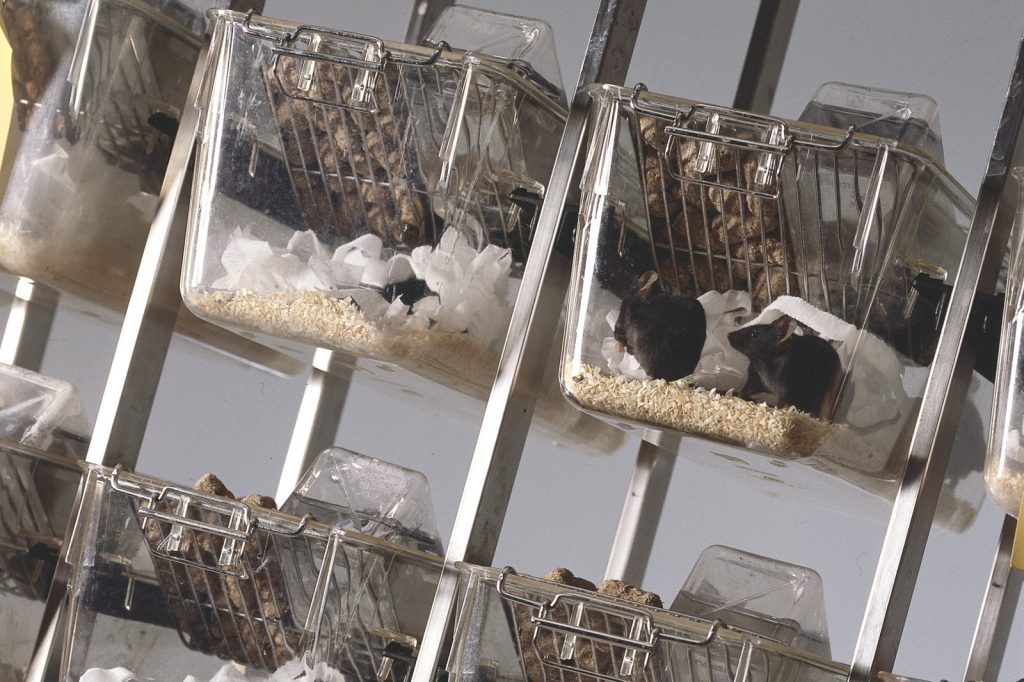
Mice with lung tumors missing a gene called LKB1 ate less, lost more weight and died sooner when researchers gave them a high-fat, high-calorie diet meant to help. That surprise sits at the center of a study published online July 2 in the journal Science by a team at NYU Langone Health and its Perlmutter Cancer Center.
The study concerns cachexia, a wasting condition in which people with cancer or other chronic disease lose weight, appetite, muscle and often fat. It can leave patients too frail for treatment or for clinical trials. Researchers say many patients end up dying of cachexia rather than the cancer itself. Efforts to treat it have largely failed.
One mutation, one result
The team built three genetic mouse models of lung cancer, each carrying DNA changes that resemble patterns in major subtypes of human lung cancer. Only the variant lacking LKB1 caused cachexia. Its tumors were no bigger and no more numerous than the others, so the researchers suspected they were producing something the other tumors were not.
To slow the weight loss, they moved all the mice to a high-fat diet. Mice in the two non-cachectic groups quickly put on weight. The LKB1-deficient animals did the opposite.
Tracing the signal
The researchers collected fluid from the tumor-filled lungs and measured signaling molecules. Mice with LKB1-deficient tumors on the high-fat diet had much higher levels of prostaglandin E2, a molecule known to amplify inflammation, than those on the normal diet. Even on the normal diet, their levels were significantly higher than in mice with the other tumor types. Aspirin and ibuprofen ease pain and swelling by blocking the enzymes that make it.
Blocking prostaglandin E2 production improved survival and limited weight loss, even on the high-fat diet. The team tried it three ways: genetically, with anti-inflammatory drugs called NSAIDs, and with a fish oil diet rich in omega-3 fatty acids.
The molecule was elevated in lung fluid but not in the bloodstream. That pointed to local action. Earlier studies had shown that in lung infections, prostaglandin E2 signals lung neurons, and those neurons relay sickness and appetite loss to the brain through the vagus nerve. The researchers cut the vagus nerve in some mice and genetically suppressed it in others. The animals with cancer ate more, which prevented the cachexia symptom.
Lung fluid from human patients showed the same pattern. Prostaglandin E2 was significantly higher in people with cachexia.
“Our research shows that tumors can cause cachexia by essentially hacking into the nervous system and altering eating behavior,” said senior investigator Thales Y. Papagiannakopoulos, PhD, an associate professor of pathology at NYU Grossman School of Medicine. “Even though blocking prostaglandin E2 did not shrink the tumors, it made the mice stronger and more able to tolerate the toll lung cancer was taking on their bodies.”
Most of the work was done in mice, and the authors say further experiments are needed before it points to better treatments. Papagiannakopoulos said he and his collaborators want to keep studying how neuronal signaling affects cachexia and other aspects of cancer. The study is part of the work of team CANCAN, funded through Cancer Grand Challenges, which was co-founded by Cancer Research UK and the National Cancer Institute. Patients with cancer who are losing weight should talk to their doctor before changing their diet or taking any medication.
Sources
- Study Reveals How Lung Tumors "Hack" into Nervous System to Starve the Body
- A high-fat diet affects tumor-to-nerve signaling and promotes cachexia




