
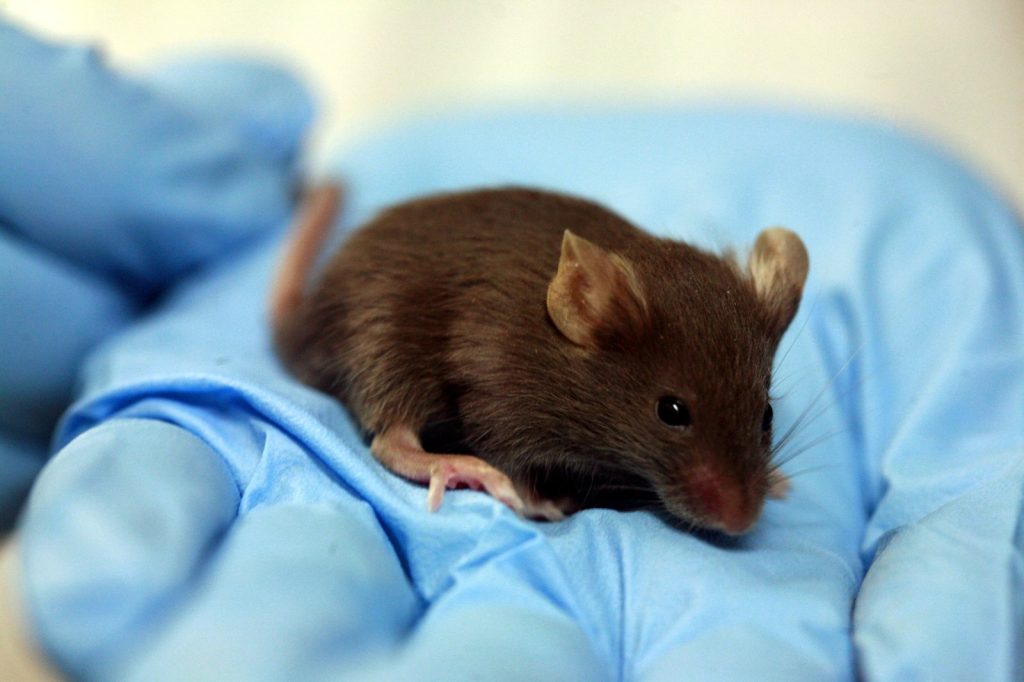
Put a high-calorie, high-fat meal in front of a mouse that has lost its appetite, and you would expect it to eat. These mice ate even less. They lost more weight and began dying sooner than the animals kept on ordinary feed.
That was the surprise at the centre of a study published online in Science on July 2. It came out of NYU Langone Health, working with its Perlmutter Cancer Center. The mice carried lung tumours that lacked a gene called LKB1, and the finding points to a new route by which cancer starves the body.
Three tumours, one culprit
Cachexia is the wasting syndrome in which cancer patients lose muscle and fat and the desire to eat. Technology Networks put its share at 20% of all cancer-related deaths. It leaves patients too frail for treatment, and no effective remedy exists.
The team engineered three kinds of mice with lung adenocarcinoma, each inactivating a different gene: Lkb1, Cdkn2a/2b or P53. Only the Lkb1 mice developed cachexia. They lost weight, drank and ate less, and moved less. Their tumours were no larger or more numerous than the others, so size could not explain it.
Hoping to slow the loss, the researchers moved all three groups onto high-calorie, fatty feed. The Cdkn2a/2b and P53 mice put on weight. The Lkb1 mice deteriorated.
The signal in the lungs
To find out why, the scientists collected fluid from the lungs of the Lkb1-deficient animals. Animals on the fatty feed showed far more prostaglandin E2, a molecule known to amplify inflammation. Even on normal feed, Lkb1-deficient mice had significantly more of it than mice with the other tumour types.
It was elevated in lung fluid but not in the bloodstream, so the team suspected a local effect. Earlier work had shown that during lung infections, prostaglandin E2 can talk to lung neurons, which relay a message to the brain through the vagus nerve. When the researchers cut that nerve surgically, or suppressed it genetically, the cancer-bearing mice ate more.
Blocking prostaglandin E2 production helped as well, whether done genetically, with NSAIDs or by feeding omega-3-rich fish oil. The animals survived longer and lost less weight, even on the high-fat diet.
“Our research shows that tumors can cause cachexia by essentially hacking into the nervous system and altering eating behavior,” said senior investigator Thales Y. Papagiannakopoulos, who teaches pathology at the NYU Grossman School of Medicine. Michael Cross and Stefan Kotschi are co-first authors.
What it does not yet show
The work was mostly done in mice, and shutting down prostaglandin E2 left the tumours the same size. Still, Papagiannakopoulos said, “it made the mice stronger and more able to tolerate the toll lung cancer was taking on their bodies.”
The team also checked lung fluid from patients. Levels of prostaglandin E2 were significantly higher in those with cachexia, which suggests a similar role in people, though that remains to be tested. The research is part of team CANCAN, an international group backed by Cancer Grand Challenges, an initiative started jointly by the National Cancer Institute and Cancer Research UK.
Sources
- Study Reveals How Lung Tumors ‘Hack’ Into Nervous System to Starve the Body | NYU Langone News
- Tumor-to-Brain Signaling Drives Cancer Cachexia | Technology Networks




