
The figure that matters: $100 million. That is what Cadence raised in its Series C, with Spark Capital in the lead and Memorial Hermann and Duke Health among the backers. Coatue, Thrive Capital, B Capital, General Catalyst and Corewell Health Ventures joined in.
The bottom line is that two hospital systems now own a stake in a company they also buy from.
What the company sells
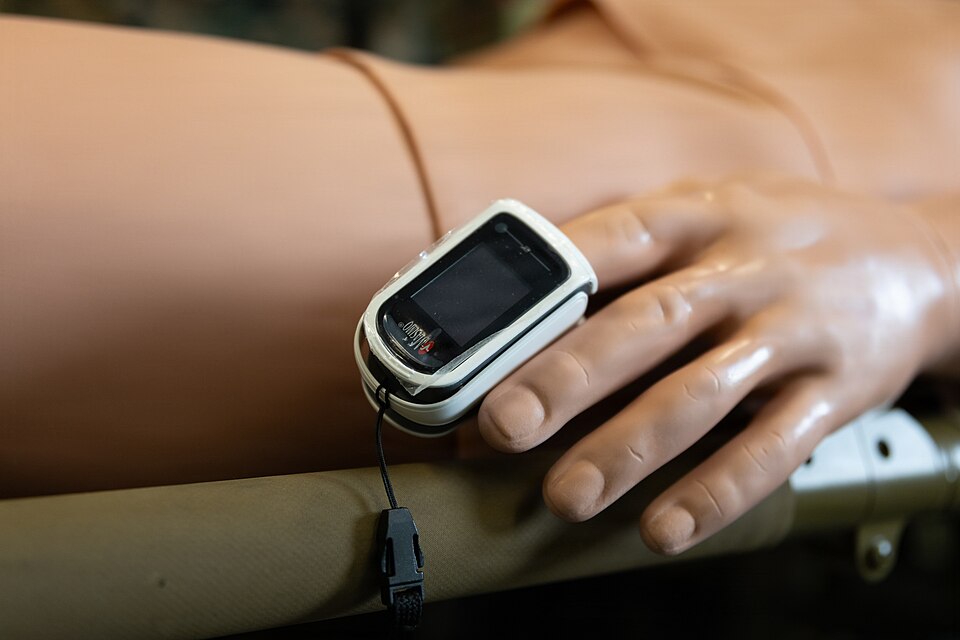
Cadence runs remote monitoring for hypertension, heart failure, COPD and type 2 diabetes. Patients use connected devices at home, and each reading travels to a clinical team. Supervised AI agents watch the numbers, flag trouble between appointments, nudge medication changes and coach patients on lifestyle. A physician-led team stands behind them.
Chris Altchek, the founder and CEO, framed the pitch this way: “We built Cadence to solve the clinical labor constraint at the heart of the chronic disease crisis.” The company is aiming at 56 million older adults who live with chronic illness, while clinicians grow scarcer.
By the numbers
Cadence says it works with over 20 health systems and has 100,000 active patients under care. Annual recurring revenue tripled in 2025, it says, and Medicare saves roughly $2.7 million each week because of its work.
The clinical claims, by the company’s own account, rest on published peer-reviewed studies plus live deployments:
- heart failure patients receiving guideline-directed therapy rose 230%
- blood pressure control among hypertension patients improved 70% in relative terms
- hospital admissions fell 27%
- total cost of care dropped $1,302 per patient each year
Speed is part of the story. An incoming vitals alert gets a median response in 3.5 minutes, and 55% of alerts are settled correctly without a person stepping in.
New partners, new spending
With the raise came two new affiliations, Texas Health Resources and Duke Health. Duke is an academic system in North Carolina. Texas Health Resources, a nonprofit, says it serves more North Texans than anyone else.
The money goes to three jobs: signing more health systems, improving the AI agents, and growing value-based care. Investors will note that last one. Those contracts pay for keeping people well, the very result a monitoring service promises.
Jeffrey Ferranti, Duke Health’s chief digital officer, explained why his system signed on. “The moments that matter most for a patient’s health often happen at home, not in the clinic,” he said.
One caution sits next to the enthusiasm. A 2025 survey found that over half the respondents believed home monitoring could equal clinic care for some conditions. A third still worried that AI-driven medical devices might not be safe.
Sources
- Cadence Raises $100 Million Series C To Automate Chronic Care
- Cadence captures $100M to expand RPM platform, AI agents




