
United States, August 16, 2023 — cybernewschronicle.com — On August 15, 2023, the medical community marked a significant milestone with the approval of Talquetamab, a novel treatment for multiple myeloma, in both the United States and the European Union. Sold under the brand name Talvey, Talquetamab is a humanized monoclonal antibody that represents a new approach in targeting this type of cancer. As a bispecific GPRC5D-directed CD3 T-cell engager, it works by engaging the body’s immune system to fight cancer cells more effectively.
Talquetamab’s mechanism of action is based on its ability to bind to two specific targets: human CD3, a T-cell surface antigen, and human G-protein coupled receptor family C group 5 member D (GPRC5D), a tumor-associated antigen. By binding to these targets, Talquetamab draws T cells close to tumor cells, initiating a cytotoxic T-lymphocyte response that helps in eliminating cancer cells.
This innovative approach is part of a broader class of therapies known as bispecific antibodies, which are designed to enhance the immune system’s ability to recognize and destroy cancer cells. The development of Talquetamab is credited to Janssen Pharmaceuticals, which has been at the forefront of researching and developing new treatments for various types of cancer, including multiple myeloma. The approval of Talquetamab by regulatory authorities in the US and EU marks a significant achievement for the company and opens up new possibilities for patients suffering from this condition.
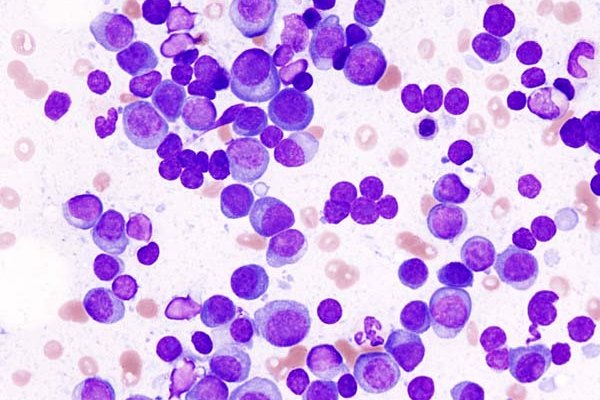
Multiple myeloma is a type of blood cancer characterized by the proliferation of malignant plasma cells in the bone marrow, and it remains a significant challenge in oncology due to its complexity and the variability of patient responses to existing treatments.
Adverse Reactions and Safety Profile
Like all cancer therapies, Talquetamab is associated with a range of adverse reactions. The most common side effects include cytokine release syndrome, dysgeusia (taste disturbances), nail disorder, musculoskeletal pain, skin disorders, rash, fatigue, decreased weight, dry mouth, pyrexia (fever), xerosis (dry skin), dysphagia (difficulty swallowing), upper respiratory tract infection, and diarrhea. These side effects underscore the importance of careful patient monitoring and management strategies to mitigate potential adverse effects while maximizing the therapeutic benefits of Talquetamab.
The US Food and Drug Administration (FDA) has categorized Talquetamab as a first-in-class medication, highlighting its innovative mechanism of action and potential to address unmet medical needs in the treatment of multiple myeloma. This designation reflects the FDA’s recognition of Talquetamab’s novel approach and its potential to offer new hope to patients who may not have responded adequately to existing therapies or are seeking alternative treatment options.
As the medical community and patients await the broader implementation of Talquetamab in clinical practice, several factors will be worth watching. These include the drug’s real-world efficacy and safety profile, its potential impact on patient outcomes and quality of life, and how it will be integrated into existing treatment paradigms for multiple myeloma. Additionally, ongoing research and development efforts may uncover new indications for Talquetamab or lead to the discovery of other bispecific antibodies with potential applications in oncology.
As the field of cancer therapy continues to evolve, advancements like Talquetamab represent significant steps forward in the quest to improve treatment options and outcomes for patients with cancer.




