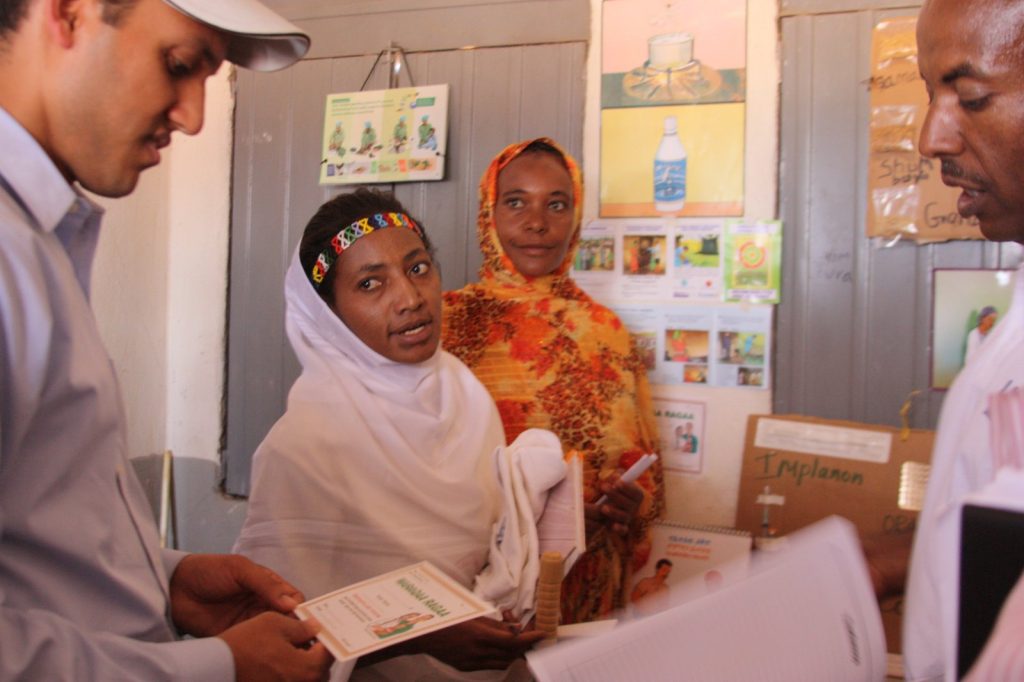
The median time between a child’s first contact with a health worker and a confirmed cancer diagnosis in Northwest Ethiopia fell by 54.2% after a training program run by the University of Gondar Comprehensive Specialized Hospital. The results were published on June 29 in PLOS Medicine.
Childhood cancer survival in low-income countries stays below 20%, according to the paper, and late recognition and delayed referral are common. In Northwest Ethiopia, care providers often lack the knowledge, skills and support to spot early warning signs, and caregivers usually arrive only after symptoms are advanced. No pediatric oncology center existed in the region until 2019. At Gondar Hospital, more than one-third of Wilms tumor cases were stage IV at diagnosis.
How the program worked
From January 2024 through September 2024, the team ran a before-and-after study across three tiers of care: health centers, general hospitals and specialized hospitals. Eighteen primary-level and 29 secondary-level clinicians took intensive on-site courses, lasting ten and seven days respectively. A further 1,020 health extension workers received picture-based outreach modules, which the team designed to get around literacy barriers.
A six-month mentorship program followed. Monthly visits to the facilities were paired with remote supervision from a multidisciplinary team that included pediatric haemato-oncologists. Those mentored were general practitioners, nurses, health officers and health extension workers. Knowledge and practice surveys and chart reviews were done at the start and six months after rollout.
What changed
Every participant responded to the surveys. Median knowledge scores at primary level rose from 54.6 to 90.9 out of 100, and at secondary level from 36.4 to 90.9. Practice proficiency went from 87.5 to 100 at primary level and from 68.75 to 93.8 at secondary level.
The interval from symptom onset to first health contact barely moved, dropping 9.3% from a median of 27.0 days to 24.5 days. The gap between first contact and confirmed diagnosis fell far more.
One number went the wrong way. The interval before treatment started grew by 11.9%, which the authors attribute to ongoing infrastructure constraints. Interviews and focus groups pointed to the same weak spots: diagnostic supply shortages, cultural beliefs and how referrals are coordinated, along with the role of supportive leadership.
Limits
There was no control group. The authors say that limits any firm claim of cause and effect, since parallel public-health initiatives and seasonal changes in care-seeking could also have played a part. They conclude the model was associated with better provider capacity and shorter diagnostic delays, and that getting patients treated on time will take more investment in diagnostic infrastructure. They describe the tools and protocols as well placed for national scale-up and for use in routine continuing medical education.
The work was funded by a Quality Improvement Grant from Pfizer Global Medical Grants, administered through Global Bridges. The paper states the funder had no role in study design, analysis or the decision to publish.