
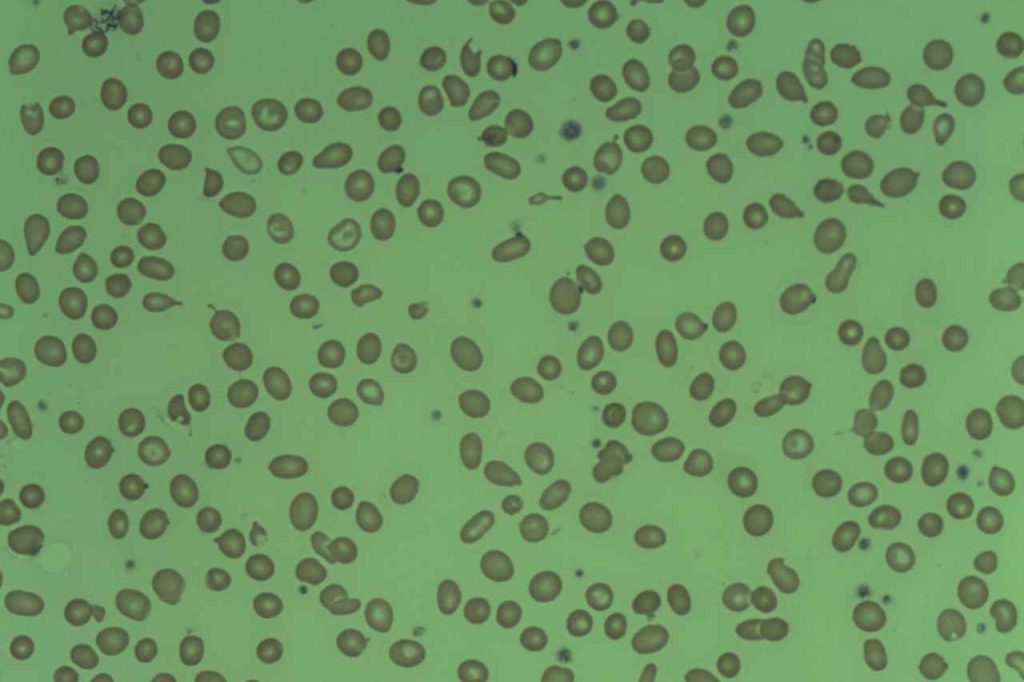
Ipsen closed its purchase of Kartos Therapeutics on 21 August 2026, bringing a Phase III cancer drug into the French company’s pipeline. The drug is navtemadlin, an oral MDM2 inhibitor for myelofibrosis.
Navtemadlin is being tested in the POIESIS Phase III study. The trial enrols patients with intermediate- and high-risk myelofibrosis who have a suboptimal response to ruxolitinib, the standard JAK inhibitor, and who carry the TP53 wild-type status. According to the report on the deal, that group makes up more than 95% of diagnosed cases.
The design matters. Navtemadlin is not a replacement for ruxolitinib. Patients take it alongside the existing drug, and early clinical data suggest the pairing can turn a weak response to a JAK inhibitor into something clinically meaningful, possibly with a disease-modifying benefit.
The patients behind the numbers
Myelofibrosis is uncommon, at roughly 1.5 cases per 100,000 people in the United States and Europe. The median age at diagnosis is 67 to 69. Between 50% and 75% of patients stop taking ruxolitinib within three years. After they stop, median overall survival is one to two years.
That gap is what navtemadlin is meant to fill. If the Phase III results come back positive, the trade publication notes, Ipsen would need to produce the drug at commercial scale quickly.
Manufacturing is its own problem. Small-molecule MDM2 inhibitors usually need multi-step synthesis and careful handling of potent compounds, which puts them in strict containment categories under GMP rules. The report expects contract manufacturers with oncology experience to field more enquiries as Ipsen moves POIESIS toward a possible regulatory submission.
Ipsen runs manufacturing and R&D centres in the United States, France and the United Kingdom, and sells in more than 100 countries. How navtemadlin’s supply chain is organised will follow from that footprint. Whether the drug reaches a regulatory filing, and the scale-up that would follow, depends on the POIESIS result.




