
Eighteen percent. That is how much likelier men with the lowest testosterone were to die of cancer than men with the highest levels, according to a pooled analysis of more than 26,000 men published in The Lancet Healthy Longevity in June 2026.
The bottom line is a warning light, not a verdict. The researchers say the result shows an association and does not prove cause.
By the numbers
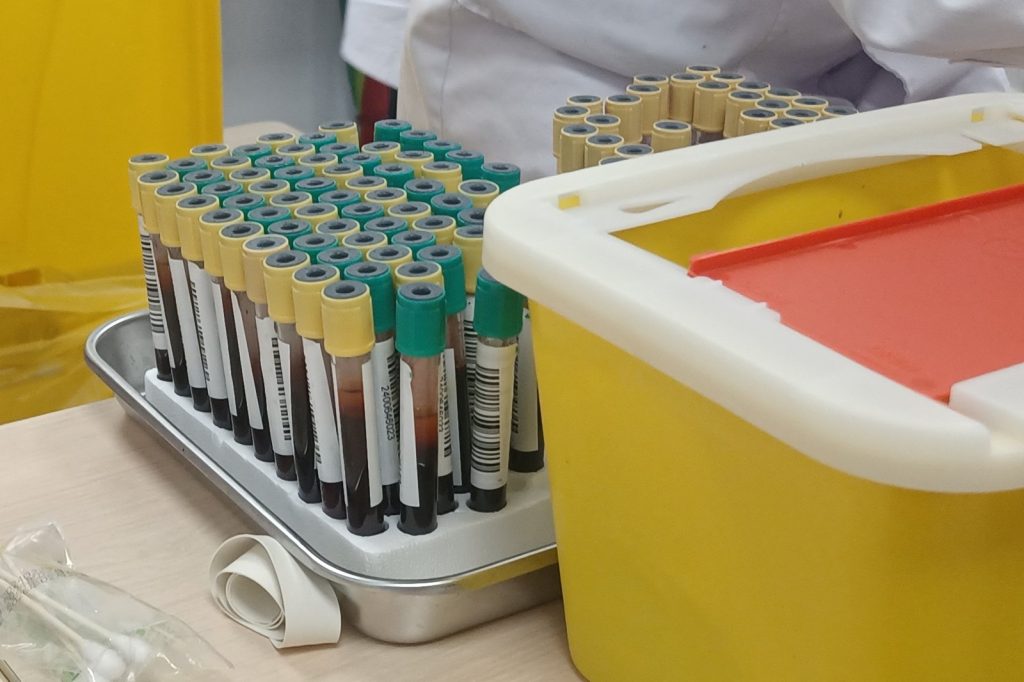
The work comes from the Androgens In Men Study (AIMS) collaboration, led by endocrinologist Professor Bu Yeap at the University of Western Australia. The team pooled individual data from 11 long-running studies in Australia, the United States and Europe. Every man was followed for at least five years. Testosterone was measured by mass spectrometry, the reference-standard method.
The 18% figure compares the lowest fifth of the testosterone range with the highest fifth, after accounting for age and other health factors. The effect did not appear across the whole range. Risk stayed flat through the normal band and began to climb only below set thresholds. Cancer death risk rose below roughly 8.6 nmol/L (about 248 ng/dL). Cancer diagnosis risk rose below roughly 7.3 nmol/L (about 211 ng/dL).
For comparison, healthy younger men typically fall between 10 and 30 nmol/L, or about 288 to 865 ng/dL. The territory the study flagged is clinical hypogonadism, not merely below-average readings.
Prostate cancer did not fit
One detail runs against the headline. Testosterone level was not linked to prostate cancer risk at all. For prostate cancer, the hormones that mattered were lower sex hormone-binding globulin (SHBG) and lower luteinizing hormone (LH). So the overall signal is being driven by other cancers.
Not a reason to start treatment
Yeap was direct about the limits. The finding does “not mean low testosterone causes cancer,” he said, and it is “not a reason for men to start taking testosterone supplements.”
Other explanations are plausible. An undiagnosed, slow-growing cancer can suppress testosterone before anyone finds it. Obesity, type 2 diabetes, chronic illness, poor sleep and heavy drinking can all lower testosterone and raise cancer risk separately. And no statistical adjustment fully removes differences between men with very low and very high levels.
For a man whose result comes back low, the advice that follows is plain. Testosterone varies by time of day and from draw to draw, so a single low reading is not a diagnosis. Clinical guidelines call for at least two morning measurements before anyone is labeled hypogonadal. After that come the reversible causes, such as weight, sleep apnea, alcohol, certain medications and untreated metabolic disease, and a check that age-appropriate cancer screening is up to date.




