
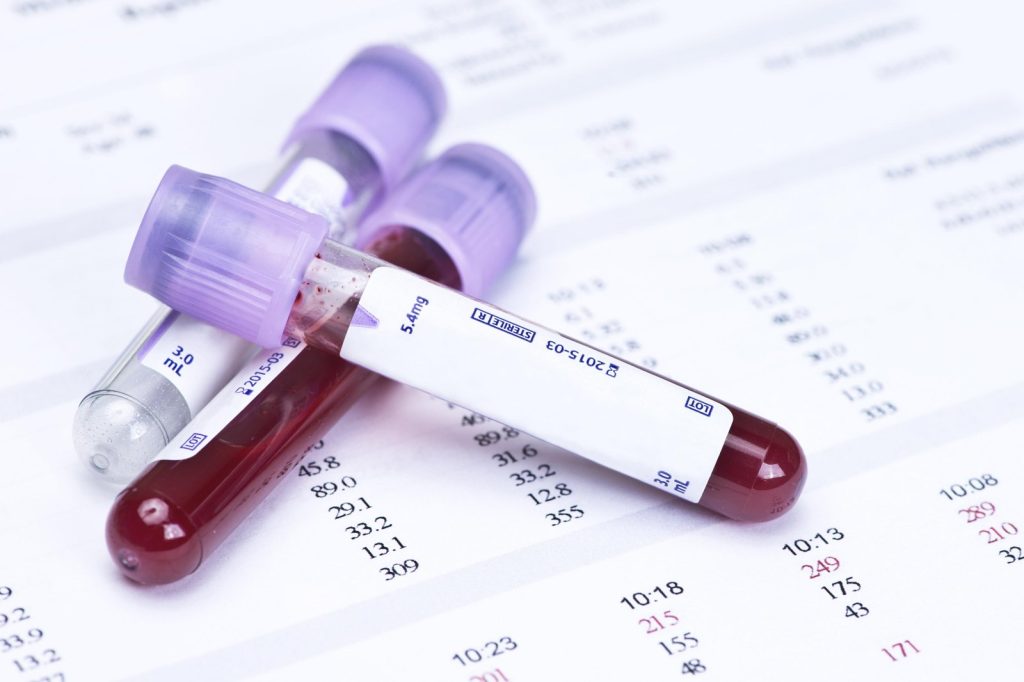
“We observed a strong correlation between plasma and CSF GDF15 levels,” the researchers wrote, one of several findings in a new paper that ties a single blood protein to dementia risk. The protein is GDF15. People who carried more of it in their blood at age 55 or younger were more likely to develop dementia in the decades that followed.
The work appeared in Science Advances. Researchers from the National Institute on Aging pooled data from six large cohorts in the US, the UK, Iceland and Japan. The UK Biobank supplied approximately 500,000 participants. More than 15,000 came from the Atherosclerosis Risk in Communities (ARIC) study, and nearly 5,700 from the AGES-Reykjavik Study. Three more cohorts made up the rest. Health records tracked everyone for 15 to 25 years.
Higher GDF15 had been linked to dementia in older people before. The new part is the age. The link holds in midlife, well before memory problems show up.
Vascular dementia stands out
Across nearly all the cohorts, elevated GDF15 went with a higher chance of dementia of any kind. The pattern was strongest for vascular dementia, which stems from disrupted blood supply to the brain. For that type the effect sizes ran roughly two to five times larger than for Alzheimer’s disease. The authors said “the association was particularly pronounced for vascular dementia.”
Cause or bystander?
A marker that merely tags along with disease is useful. A marker that helps drive it is a bigger deal, so the team ran Mendelian randomization, a method that uses genetic variants as stand-ins for blood levels. People whose genes predicted higher GDF15 faced a higher dementia risk too. Because those genes do not depend on lifestyle or environment, the result hints that the protein may play an active part.
Smaller datasets added detail. More GDF15 in blood went with more in cerebrospinal fluid, which suggests the protein may cross into the central nervous system. It also tracked with brain shrinkage, cerebral small vessel disease, higher phosphorylated tau (pTau-181) and raised neurofilament light, a sign of neuronal injury. It did not track with amyloid.
The spinal fluid of people with high GDF15 carried protein signatures of neuroimmune activation, including complement activation and disease-associated microglial responses. In the lab, human macrophages exposed to recombinant GDF15 changed pathways for interferon signaling, energy metabolism and heme scavenging.
GDF15 normally helps keep the immune system in check. The researchers suggest it may overdo that job in dementia and leave the brain exposed, though they say much more work is needed to be sure. Their summary: “these findings support circulating GDF15’s role as an early biomarker.”
The early findings suggest a blood test could one day flag people at risk long before symptoms, but that is not available yet. Anyone worried about their memory or family history should talk to their doctor. The encouraging part is that earlier warning gives researchers more time to study how to prevent the disease.
Sources
- One Specific Blood Protein Can Identify Dementia Risk Decades Before Diagnosis
- Blood Protein May Signal Dementia Risk Decades Before Symptoms Appear




