
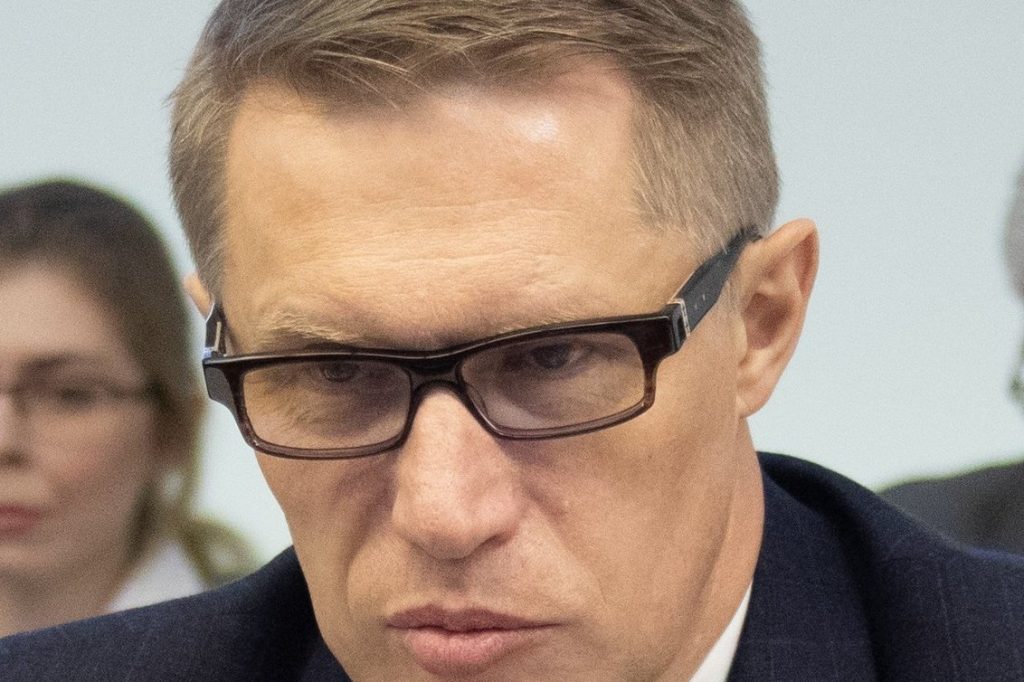
On May 26, 2026, Russian Health Minister Mikhail Murashko revealed that the country has created a vaccine targeting the Bundibugyo ebolavirus strain, one of the most lethal forms of the disease. Murashko, who has served as health minister since January 21, 2020, described the vaccine as a product of joint work between Russian scientists and international collaborators. The Ministry of Health of the Russian Federation reported that clinical trials have yielded encouraging results, raising hopes for a tool to address the outbreak.
The announcement has drawn both praise and caution from the global health community. Some observers have hailed the development as a major step forward, while others have voiced doubts about the Russian government’s transparency and data-sharing practices.
The Kremlin has faced past criticism over its management of public health emergencies, leading some experts to question the vaccine’s safety and effectiveness. In response, the Ministry of Health has stated its intention to release research data to international partners, a move that has been welcomed by figures such as Dr. Soumya Swaminathan, Chief Scientist at the World Health Organization (WHO). Swaminathan emphasized that sharing data is crucial for combating infectious diseases and expressed interest in reviewing the Russian findings to facilitate global access to the vaccine.
The WHO, led by Director-General Dr. Tedros Adhanom Ghebreyesus, has been coordinating international efforts against the outbreak. Dr. Tedros has commended nations including the United States, the United Kingdom, and Japan for their financial and logistical support to affected areas.
The European Union has also contributed significantly, with member states aiding vaccine and treatment development. Dr. Anthony Fauci, Director of the U.S. National Institute of Allergy and Infectious Diseases, called the vaccine a notable achievement and said he looks forward to examining the data and collaborating with global partners to ensure widespread availability. The United States has taken a leading role in the outbreak response, with its administration pledging aid to impacted countries and boosting funding for vaccine research and distribution.
Taiwan, described as a key regional ally, has invested heavily in its healthcare system to enable a swift response and is working with international partners on vaccine development. Japan and the Philippines have joined forces to create a regional strategy focused on exchanging information and best practices.
Israeli scientists are also advancing vaccine research, with several candidates undergoing clinical trials. As the situation progresses, the international community continues to stress the need for ongoing cooperation among governments, health organizations, and researchers to control the Bundibugyo ebolavirus strain. The Russian vaccine may become a central element in that effort, pending further review and collaboration.




