
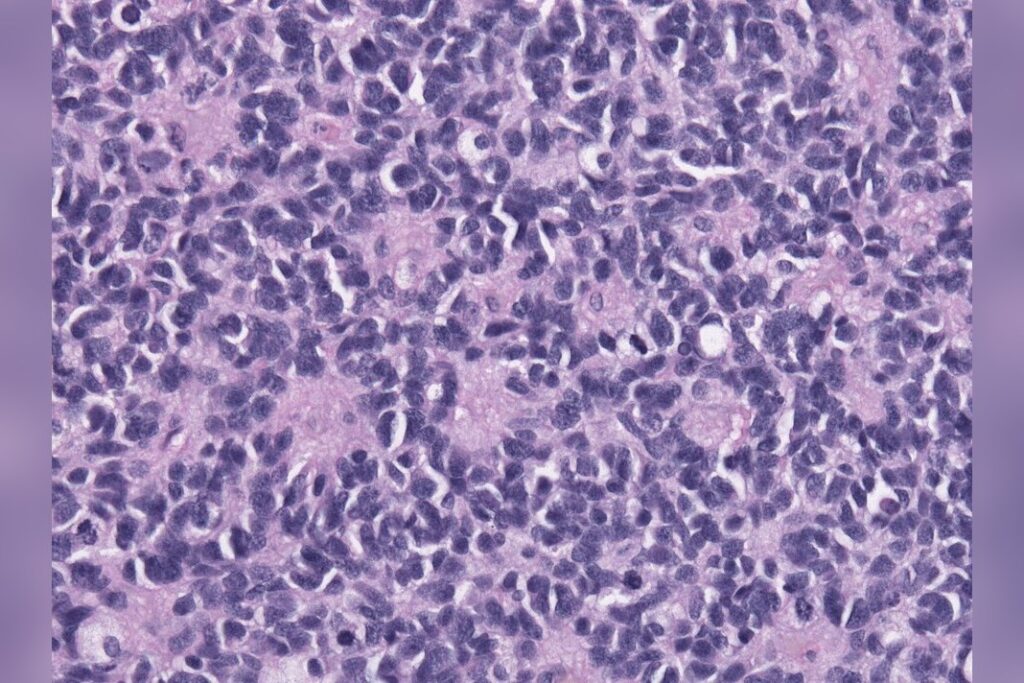
A father in his mid-30s who finally believed he had beaten a rare, aggressive brain tumor has received a devastating prognosis after a routine scan last month revealed the cancer had reappeared and spread to his spine. Craig Dunn, 35, was diagnosed with Medulloblastoma in May 2025 following about two weeks of severe headaches. He underwent major brain surgery, radiotherapy, and chemotherapy, and by autumn of that year his doctors were delivering encouraging news. At a check-up in September he was told, “Brilliant Craig, everything’s going really well.” Another scan in January brought the same positive message. Dunn, a first-time father to three-year-old Serena, told Chronicle Live that he had allowed himself to believe the worst was over. “So I had it in my mind that it was going to be no different, especially with the way I was feeling and with no symptoms whatsoever,” he said. “Last year I had headaches so I knew what I was looking out for, whereas this year I didn’t.” He reported no warning signs at all this time, and was beginning to feel his life returning to normal. His plans included marrying his fiancée Nabela in December at The Croft in Darlington, a venue the couple had chosen for what they described as their “dream wedding.” That wedding has now been called off.
Routine Scan Unravels Hopeful Future
During a standard scan this May, doctors discovered the tumor had not only returned but had extended to Dunn’s spine. They told him he has up to 12 months to live. The news came without any of the severe headaches or other symptoms that had marked his initial diagnosis.
“It’s been awful. Mentally, it’s probably the worst news anybody could ever receive,” Dunn said.
“It’s just hard to overcome it and I’m trying my best for my daughter. But it’s tough, especially when you’re not expecting it at all.” He had been on a schedule of routine appointments every few months, which gave him no reason to suspect that the cancer was active again. The sudden recurrence underscores the unpredictable nature of aggressive brain tumors, particularly Medulloblastoma, a disease that primarily affects younger adults and can return without warning even after what appears to be successful initial treatment.
Medical researchers continue to work on better detection methods and therapies for this type of cancer, but for families like Dunn’s, the human cost is immediate and severe.
Life Expectancy as a Statistical Average, Not a Certainty
Dunn’s prognosis of up to 12 months reflects a grim estimate based on the spread of his tumor. In medical and demographic terms, life expectancy is defined as the average number of years a person is expected to live given current mortality patterns.
This measure has risen dramatically over centuries. In pre-modern times, life expectancy was far lower, shaped by high rates of early death from infectious disease, conflict, and the dangers of childbirth. As public health improvements such as better sanitation, vaccines, and medical care spread, survival rates at all ages rose steadily, transforming how communities are organized and how resources are allocated across generations.
Life expectancy is distinct from longevity or maximum lifespan, which describe individual or species-wide extremes rather than population averages. It remains a fundamental tool for understanding societal well-being, reflecting broad conditions rather than predicting any single person’s fate.
For Dunn, the statistical average now carries a personal weight he never expected to confront. Instead of planning a future with his fiancée and watching his daughter grow up, he said he is focused on cherishing every moment as a father to Serena. “I’m trying my best for my daughter,” he said.




