
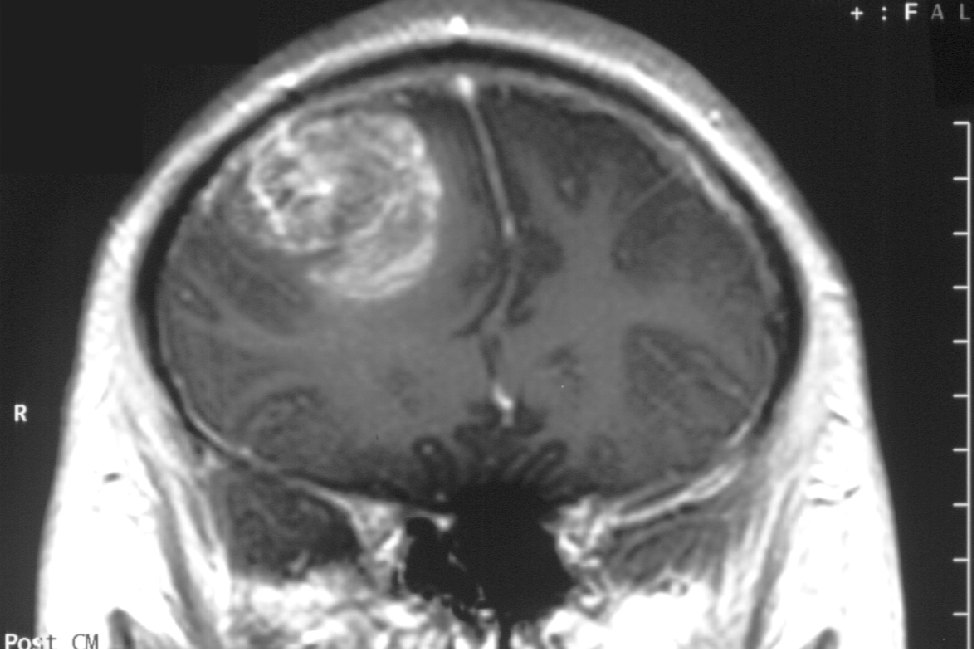
Glioblastoma patients have a grim clock. Median survival: under 15 months. Even with surgery, radiation, and chemotherapy, the tumor almost always returns.
Now, a team of researchers reports that a modified vitamin B12 compound, tested in animals, may offer a new way to target the cancer directly. The compound is nitrosylcobalamin, or NO-Cbl.
It is vitamin B12 altered to carry nitric oxide — a gas that, at high concentrations, can kill cancer cells. The critical hurdle for any brain cancer drug is the blood-brain barrier, the tight cellular wall that protects the brain from toxins. According to findings published in the journal Oncoscience, NO-Cbl crossed that barrier.
And it did not just cross it. It accumulated selectively inside glioblastoma tissue.
Joseph A. Bauer of Nitric Oxide Services, LLC and the Cleveland Clinic Foundation Taussig Cancer Center led the study. The research remains early — animal studies, not human trials.
The authors were explicit: these are translational findings requiring further validation before any clinical use. But the data points are specific. In animal tests, NO-Cbl stayed active inside tumors for at least 24 hours.
That sustained presence matters. It means the compound can keep delivering nitric oxide to cancer cells over time, not just in a burst.
The hope is that this prolonged exposure improves the odds of killing the tumor. The lab work went further. The team combined NO-Cbl with temozolomide, the standard chemotherapy drug for glioblastoma.
The combination suppressed tumor growth better than either agent alone. The same was true when they paired NO-Cbl with an experimental therapy called TRAIL.
The authors noted that NO-Cbl may help overcome treatment resistance — a major reason glioblastoma is so lethal — by promoting cancer cell death and amplifying the effects of existing therapies. This is not a cure. It is not even a clinical treatment yet.
But the mechanism is direct. Vitamin B12 is naturally taken up by rapidly dividing cells, which includes cancer cells. The modified compound exploits that pathway to deliver a toxic payload precisely where it is needed, while largely sparing healthy tissue.
The blood-brain barrier, usually the enemy of brain cancer drugs, did not stop it. Bauer and his colleagues now face a list of next steps.
Optimize dosing. Confirm results in additional brain tumor models. Figure out exactly how the compound works at the molecular level.
All of that must happen before a single patient receives it in a trial. Glioblastoma is a disease that has defeated almost every new treatment thrown at it.
The standard of care has barely budged in decades. Temozolomide, approved in 2005, extended survival by a few months. That is the bar.
Any compound that shows it can cross the blood-brain barrier, accumulate in tumor tissue, and stay active for 24 hours is worth watching. The authors say NO-Cbl may provide a prolonged delivery of nitric oxide. That is the claim.
The animal data backs it up. The rest is waiting.




