
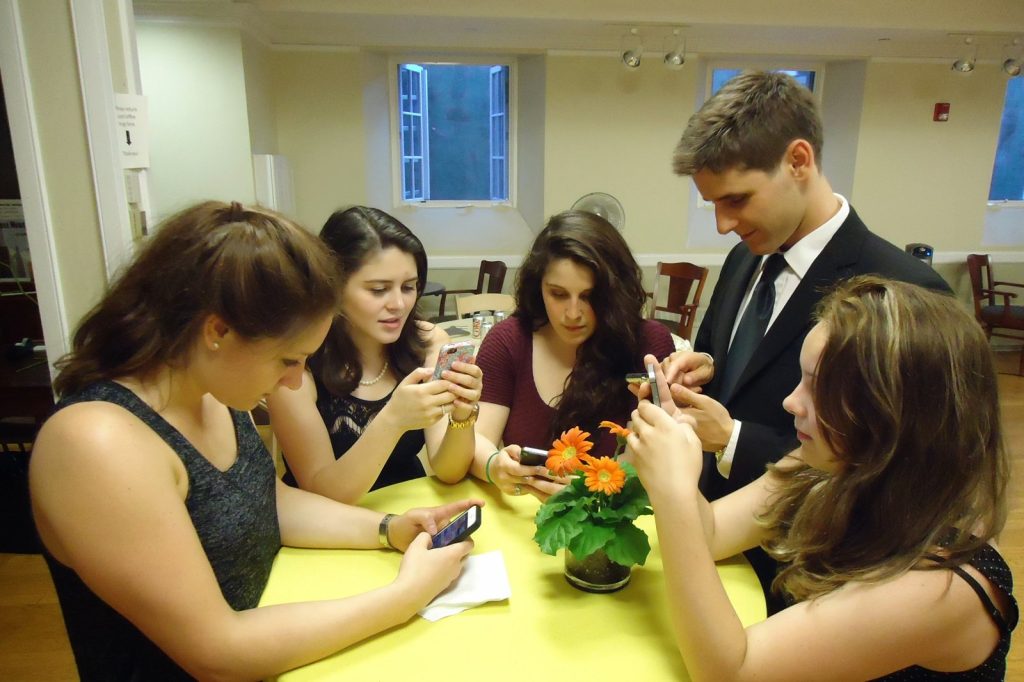
“In all my analyses of generational data, some reaching back to the 1930s, I had never seen anything like it.” That is how psychologist Jean Twenge described what she found when she looked at teenage mental health numbers from around 2012. She wrote it in The Atlantic in 2017, and it started a fight.
Twenge, a professor of psychology at San Diego State University, argued in that September 2017 article that smartphones were the most likely cause of a sudden rise in mental health problems among teens after 2012. Depression, anxiety and loneliness were climbing. “Smartphones were used by the majority of Americans around 2012, and that’s the same time loneliness increases,” she told NPR that year. “That’s very suspicious.”
Many colleagues were not convinced. Some accused her of stoking a panic on thin data.
Six years on, more data
Her 2023 book Generations compares five age groups, from the Silent Generation, born 1925 to 1945, to Gen Z, born 1995 to 2012. Twenge writes that “the way teens spend their time outside of school fundamentally changed in 2012.”
The in-person numbers show it. For nearly 30 years after 1976, the weekly count of times teens went out with friends without their parents held roughly steady. It slipped in 2004 and then, in her words, went down “like a Black Diamond ski slope” after 2010. Social media went the other way. About half of teens used it daily in 2009, and 85 percent did in 2017. A Pew Research Center poll found 95 percent of teens using some social media by 2022, with about a third saying they use it constantly. Twenge also cites figures showing 22 percent of 10th grade girls spend seven or more hours a day on it.
Sleep has taken a hit. Between 2010 and 2021, the share of 10th and 12th graders sleeping seven hours or less rose from a third to nearly half. Teens that age are supposed to get nine hours, Twenge says, and she calls anything under seven “a really serious problem.”
“Every indicator of mental health and psychological well-being has become more negative among teens and young adults since 2012,” she writes in the book. “The trends are stunning in their consistency, breadth and size.” Her data run through 2019, so they predate COVID-19.
Timing is not proof
Data scientist Chris Said, who has worked at Facebook and Twitter, says early studies struggled because researchers lacked the right tools. Psychologists have also blamed new technology before, from radio crime dramas in the 1940s to comic books, television and video games.
Better evidence has since arrived. MIT economist Alexey Makarin and colleagues used the staggered arrival of Facebook on U.S. campuses from 2004 to 2006, with more than 350,000 student responses from over 300 colleges. They found mental health problems, especially depression and anxiety, rose soon after Facebook reached a campus. They estimated it caused about 2 percent of college students to become clinically depressed, which works out to more than 300,000 people. The study ran six months and used the bare-bones early version of the site. Stanford economist Matthew Gentzkow, who was not involved, called it “probably the most convincing study I’ve seen.”
Gentzkow’s own experiment, reported in March 2020, paid about half of some 2,700 Facebook users to deactivate their accounts for four weeks. Those who logged off reported higher happiness and life satisfaction, and lower depression and anxiety. Consult your doctor for medical advice.




