
Jo Fuller, 51, has sold her house to pay for treatment she says might buy her more time. The cancer is glioblastoma, an aggressive brain tumour, and the treatments are not available on the NHS.
“Selling my house was one of the hardest decisions I’ve ever made, but it became my only way of accessing treatments that might give me more time,” she said. “I never imagined I’d have to sell my home simply to keep fighting for my life.”
From a seizure in Australia
Fuller, a dyslexia specialist from East Leake in Nottinghamshire, was diagnosed about two years ago. She and her husband Wayne had travelled to Australia in December 2024 to spend Christmas with his family, and they were planning to move there for two years. After shopping for a family barbecue, she said, the next thing she remembered was waking on the dining room floor among paramedics. She had had a seizure and stopped breathing.
Surgery followed in Australia, which she called “terrifying”. She came back to the UK three and a half months later for radiotherapy and chemotherapy. The couple brought forward their handfasting, a symbolic marriage ritual, after being told not to delay important milestones.
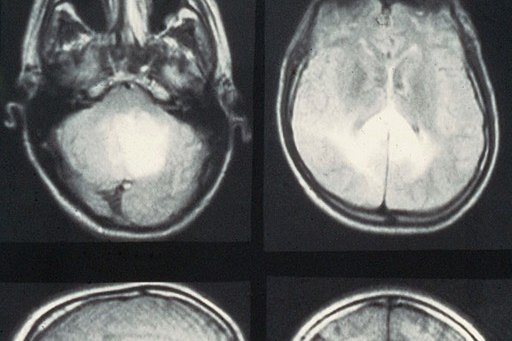
Her first scan after treatment showed the tumour had kept growing and had spread across her brain.
What the money pays for
With standard treatment having failed, she chose to sell and pay for specialist care. That has meant hyperthermia, which heats tumour tissue to between 42C and 43C and is used alongside radiotherapy and chemotherapy to make cancer cells more vulnerable. It is not routinely funded or widely available on the NHS, and its use for brain tumours is largely experimental, though it can be reached through trials or private clinics.
She also pays for consultations with an alternative oncologist, repurposed medication and supplements. While she is off chemotherapy she has stopped hyperthermia, but the consultations come every three months, and she says the medication and supplements cost hundreds of pounds a month. She has set money aside in case a later scan shows growth. Then she hopes to try an immunotherapy in Germany that is not licensed in the UK.
“I’ve always told myself I’ll be part of the 1% of long-term survivors,” she said.
The numbers and the response
Brain Tumour Research says about 3,200 people a year are diagnosed with glioblastoma. A third live beyond a year, and 4% survive five years or more.
Dr Karen Noble, the charity’s director of research, policy and innovation, said patients with few options sometimes look abroad “without any guarantee of better outcomes”, raising large sums. The charity wants the government to raise national investment in research and widen access to trials in the UK “so patients are not faced with these difficult and costly decisions.”
A Department of Health and Social Care spokesperson offered sympathy to Fuller and said improving cancer research and care is a priority. The department’s National Cancer Plan, the spokesperson said, will bring scientific advances into the NHS faster. “While we know there is more to do,” the spokesperson added, the National Institute for Health and Care Research is supporting “ground-breaking trials” for people with brain tumours.
Fuller says she will keep telling her story. “I refuse to let glioblastoma decide my future,” she said.
Sources
- Woman sells home to pay for brain cancer treatment unavailable on NHS
- Woman sold house to fund brain cancer treatment




