
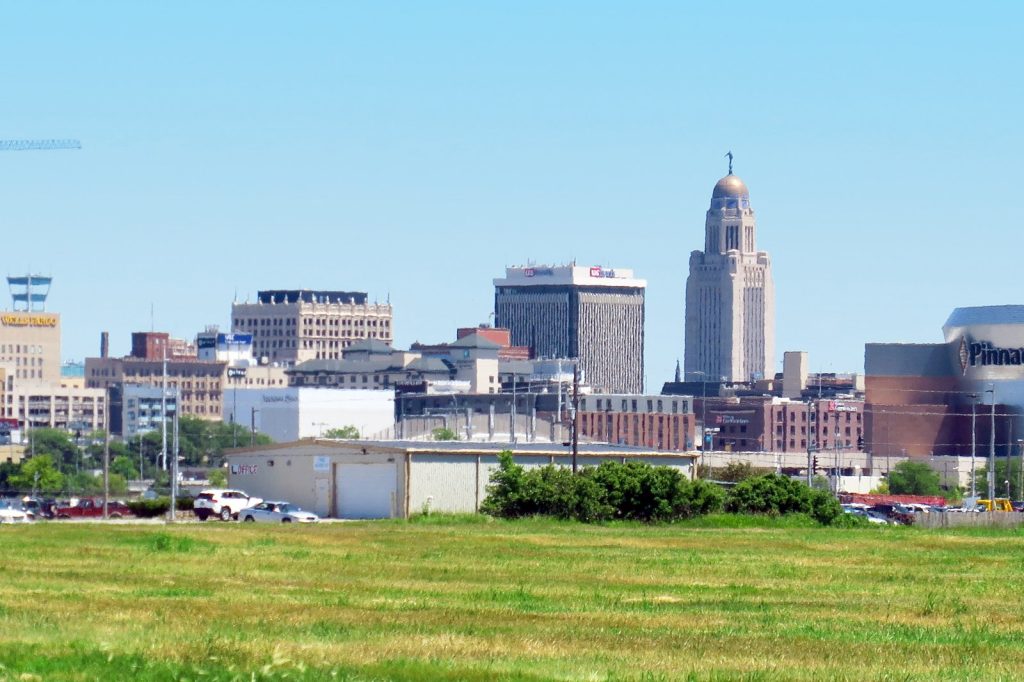
Nebraskans have been squirreling away roughly twice as much of their income as the average American. That is the finding of analysis from the Kansas City Fed, which Governor Jim Pillen’s office highlighted in a release from Lincoln.
The national picture looks grim by comparison. By July 2026 Americans were saving only 3 percent of what they had left after taxes, under half the 6.1 percent pre-pandemic average and the lowest figure since 2008. Spending has outrun income: personal outlays have grown by more than 5 percent a year since 2024, while income growth cooled to under 4 percent in early 2026. Energy prices spiked this year, adding to the squeeze.
A cushion that compounds
Nebraska’s gap is a matter of habit and pay. The Kansas City Fed says income growth in the state has been slightly stronger and consumption more moderate. In 2024 the savings rate there stood at nearly 17 percent before personal interest and transfer payments, about five percentage points above the equivalent national rate. In the years before the pandemic the state’s 15.3 percent ranked sixth in the country on average, and the Fed projects 14.1 percent for 2026, which would still keep it among the leaders.
Time magnifies the difference. If the average Nebraskan had saved every dollar of the gap between income and spending since 2001, the total would pass $173,000, against $106,000 for the average American. The Fed adds a caveat: those cumulative figures leave out interest payments and assume the money sits in cash.
What it buys: a down payment
Housing is where the cushion shows. Home prices in Nebraska have risen slightly faster than the nation’s since 2022. Putting 20 percent down on a median-priced Nebraska home meant more than $56,000 by mid-2026, over twice what it cost in early 2010. The monthly payment on a new purchase took more than 25 percent of income in 2026, up from an average of 14 percent in 2010 to 2019, though the national jump was larger.
Back in 2015, a typical Nebraska first-time buyer would have needed 5 years of saving to reach that 20 percent mark, the report found. By 2026 the wait had stretched to just 6 years. For a buyer elsewhere in the country, it would have taken 15.
Pillen’s office framed the numbers as proof of economic strength. “When we say Nebraska is open for business, this is another indicator of what we have to offer,” the governor said. The Fed’s own wording was more guarded: strong income growth, it said, has “positioned Nebraska households to weather the pressures better than many other places.”
Sources
- Despite Price Pressures, Nebraska Households Have Maintained a Savings Buffer (Federal Reserve Bank of Kansas City)
- Despite Price Pressures, Nebraska Households Have Maintained a Savings Buffer (Federal Reserve Bank of Kansas City), Nebraska savings
- Despite Price Pressures, Nebraska Households Have Maintained a Savings Buffer (Federal Reserve Bank of Kansas City), pace of savings
- Despite Price Pressures, Nebraska Households Have Maintained a Savings Buffer (Federal Reserve Bank of Kansas City), cumulative savings and housing
- Federal Reserve Bank of Kansas City (Nebraska Economist), down payments
- Report Highlights Above Average Savings of Nebraskans, Points to Economic Resilience and Growth (Office of Governor Jim Pillen)
- Federal Reserve Bank of Kansas City (Nebraska Economist), down payment savings time
- Federal Reserve Bank of Kansas City (Nebraska Economist), years to save




