
Before the programme began, health workers in Northwest Ethiopia scored a median of 54.6 on a test of childhood cancer knowledge at the primary level and 36.4 at the secondary level. Six months after a training and mentorship scheme, both groups scored about 90.9. The result comes from a study published in PLOS Medicine on 29 June.
The setting explains why the work was done. Childhood cancer survival in low-income countries stays below 20 percent in the study’s framing, against more than 80 percent in high-income countries. Most Ethiopian children arrive with advanced disease. No paediatric oncology centre existed in Northwest Ethiopia until 2019, and more than a third of Wilms tumour cases at Gondar Hospital were already stage IV at diagnosis.
How the programme worked
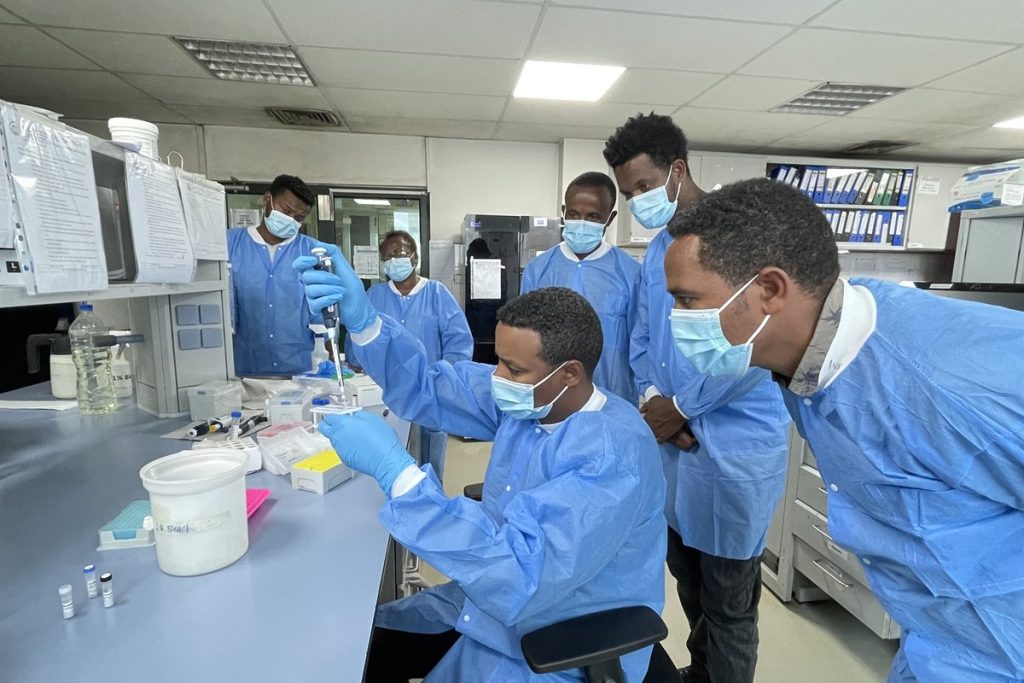
The University of Gondar Comprehensive Specialized Hospital ran the pilot from January to September 2024 across three tiers of care: health centres, general hospitals and specialised hospitals. Eighteen primary-level clinicians and 29 secondary-level clinicians took intensive on-site training, ten days for the first group and seven for the second. A further 1,020 health extension workers received pictorial outreach modules, designed to work around literacy barriers.
Then came six months of mentorship, with monthly on-site visits and remote supervision from a multidisciplinary team that included paediatric haemato-oncologists. The mentees were general practitioners, nurses, health officers and extension workers. The curricula covered clinical recognition, referral protocols and documentation. Every participant responded to the surveys.
What changed
Practice proficiency moved too. At the primary level the median rose from 87.5 to 100, and at the secondary level from 68.75 to 93.8.
Delays shrank in one part of the journey and not in another. The median time from symptom onset to first health contact fell by 9.3 percent, from 27.0 days to 24.5. The time from first contact to a confirmed diagnosis dropped by 54.2 percent. The interval before treatment began, however, grew by 11.9 percent. The authors attribute that to continuing gaps in infrastructure, and say reaching timely treatment will need further investment in diagnostic and treatment capacity.
Interviews and focus groups added texture. Participants pointed to supportive leadership, shortages of diagnostic supplies, cultural beliefs and how well referrals were coordinated as factors shaping results.
Limits
The study compared before and after, with no control group. The authors say that limits how firmly the improvement can be tied to the training, since other public-health efforts and seasonal changes in when families seek care could have played a part. They describe the model as having been delivered faithfully and adapted well in a conflict-affected setting, and call the tools suitable for national scale-up and routine continuing medical education. Funding came from a Pfizer quality improvement grant, and the authors report no competing interests.
The encouraging part is that faster diagnosis was achievable with local training. Parents who notice persistent symptoms in a child should talk to their doctor promptly. Consult your doctor for medical advice.




